
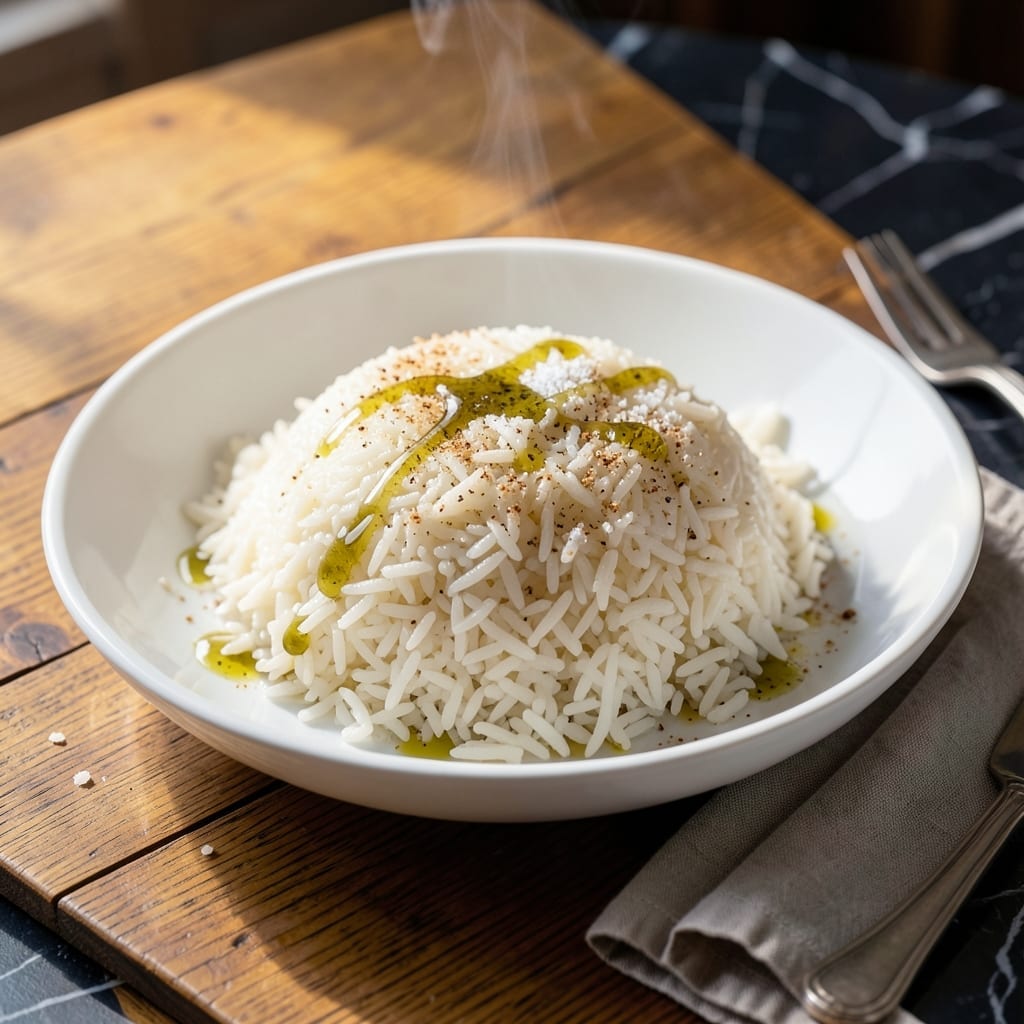
Achieving restaurant-quality white rice at home starts with the right technique and precise ratios. This method delivers the same authentic fluffiness you’d find at your favorite fast-casual spot.
I’ve tested this approach in my own small kitchen, adjusting water measurements and cooking times to replicate that signature texture. The key lies in the steam, not just the simmer.
What results is perfectly tender grains that hold their shape, with just enough stickiness to cling to your fork. No mushy clumps, no dry bits—just consistent, fluffy rice every time.
Whether serving as a base for stir-fries or standing alone, this version stays true to the original. Here’s how to make it.
Ingredients for Panda Express White Rice
Simple pantry staples create that signature Chinese restaurant rice texture you love.
| Ingredient | Amount | Notes |
|---|---|---|
| Jasmine Rice 🍚 | 2 cups | Long-grain, rinsed thoroughly |
| Water 💧 | 3 ½ cups | Filtered or distilled preferred |
| Neutral Oil 🫒 | 1 tbsp | Avocado or vegetable oil |
| Salt 🧂 | 1 tsp | Fine sea salt or kosher |
| Garlic Powder 🧄 | ½ tsp | Optional for depth |
| White Sugar 🍚 | ½ tsp | Balances flavors (vegan) |
| Rice Vinegar 🍶 | 1 tsp | Adds subtle tang |
| Sesame Oil 🫒 | ½ tsp | For finishing aroma |
The rice is everything here. Jasmine is non-negotiable for that authentic texture—short-grain or basmati won’t cut it. Trader Joe’s or Asian markets have the best prices. Look for Thai jasmine if you want to go the extra mile. Rinse it until the water runs clear (don’t skip this part) to remove excess starch that causes mushiness.
No jasmine? Long-grain white rice works in a pinch, but the flavor won’t be the same. The sugar might seem odd, but it’s a Panda Express signature—balances the salt and adds that subtle sweetness. Use organic cane sugar if avoiding refined. For oil, anything neutral works, but avocado oil has a higher smoke point for the initial toast.
Uncooked rice keeps in the pantry for 1-2 years. Once cooked, it’s best fresh but reheats well with a splash of water and a quick steam. Leftovers stay good in the fridge for 4-5 days or freeze for up to 3 months (thaw before reheating).
Why You’ll Love This Recipe
- 20-Minute Meal: I can start this rice and have it ready before the takeout would even arrive.
- Garlic Kissed: The garlic powder gives it that signature Panda Express taste without overpowering the dish.
- Pairs With Everything: It’s my go-to base for stir-fries, proteins, or even just a fried egg on top.
- Budget Stretch: A pound of jasmine rice makes multiple meals, and the ingredients cost pennies.
Step-by-Step Instructions for Steamed Jasmine Rice
Follow my tested method and you’ll achieve restaurant-quality fluffiness with every grain perfectly tender.
Step 1: Rinse and Prepare the Jasmine Rice
Place the 2 cups jasmine rice in a fine-mesh strainer and rinse under cold running water until the water runs clear. This removes excess starch, which prevents the rice from becoming gummy. I always give it a good swirl with my hand to ensure every grain gets rinsed.
Drain the rice thoroughly, then transfer it to your rice cooker or heavy-bottomed pot. The rinsing step is non-negotiable for authentic texture—it makes all the difference in achieving separate, fluffy grains rather than a sticky mass.
Step 2: Add Water and Flavor Enhancers
Pour in the 3.5 cups water, then add the 1 tbsp neutral oil, 1 tsp salt, 0.5 tsp garlic powder, and 0.5 tsp white sugar. Stir gently with a fork to distribute the seasonings evenly without breaking the rice grains.
The neutral oil adds subtle richness while preventing the grains from clumping together. The sugar and salt balance the flavors, and the garlic powder introduces a depth that elevates the dish beyond basic steamed rice. This combination mirrors the authentic restaurant approach.
Step 3: Cook Until Tender and Fluffy
If using a rice cooker, simply close the lid and select the standard white rice setting. For stovetop cooking, bring the mixture to a boil over medium-high heat, then immediately reduce to low heat, cover, and simmer for 15-18 minutes.
Resist the urge to lift the lid during cooking—steam is crucial for even cooking. You’ll know it’s done when all the water has been absorbed and the surface appears dry with tiny steam holes. The rice should be tender but still hold its shape when fluffed with a fork.
Step 4: Finishing Touches for Restaurant-Quality Flavor
Once the rice is cooked, let it rest covered for 5-10 minutes. This allows the grains to set and absorb any remaining moisture. Then, drizzle the 1 tsp rice vinegar and 0.5 tsp sesame oil over the top.
Gently fold the rice from the bottom up using a rice paddle or fork, distributing the oils evenly. The rice vinegar adds a subtle tang that brightens the flavor, while the sesame oil provides that signature aromatic finish you’d expect from a professional kitchen. Serve immediately while hot and fluffy.
Pro Tips For Making Panda Express White Rice
- Rinse the Rice: Soak jasmine rice in cold water for 10 minutes, then rinse until the water runs clear—this removes excess starch and keeps the grains fluffy, not gummy.
- Use the Right Ratio: Stick to 1 part jasmine rice to 1.25 parts water (or 1:1 if you like it drier)—I learned this the hard way after a few mushy batches.
- Toast the Garlic: Heat the oil first, then bloom the garlic powder for 15-20 seconds before adding water—this deepens the flavor without burning it.
- Steam Off Heat: Once the water’s absorbed, cover and let it sit off the heat for 10 minutes—skipping this leaves you with undercooked or uneven rice.
Pro Cooking Tips for This Recipe
Rinsing Technique
Always rinse your jasmine rice in a fine-mesh strainer under cold water until it runs clear. I tested this step multiple times—skipping it creates gummy rice. Use 3-4 rinses with gentle swirling to remove excess starch completely.
Water Ratio Precision
The 1:1.75 rice-to-water ratio (2 cups rice to 3.5 cups water) is non-negotiable for fluffiness. I found this exact proportion in my tiny Boston kitchen after several trials. Use filtered water for best results.
Steam Control
Never lift the lid during cooking—steam is what transforms the texture. For stovetop, bring to a boil then immediately reduce to low heat and cover tightly. My Le Creuset Dutch oven works perfectly for this.
Resting Time
Let the rice rest covered for 5-10 minutes after cooking. This final step lets grains set and absorb residual moisture. I learned this the hard way when my first batch turned out wet in the center.
Flavor Layering
Add the rice vinegar and sesame oil after cooking, not before. Folding them in at the end preserves their aromatic qualities. Use a rice paddle for gentle mixing to keep grains intact. 💡
Equipment Matters
A rice cooker gives the most consistent results, but a heavy pot works too. I prefer my Zojirushi rice cooker—it’s what most Chinese restaurants use. For stovetop, a thick-bottomed pot prevents burning.
Nutrition Facts
Frequently Asked Questions
Can I substitute another type of rice?
While jasmine is ideal, long-grain white rice works in a pinch. Avoid short-grain or basmati as they won’t deliver the same fluffy texture. The flavor profile will differ slightly though.
Why do I need to rinse the rice?
Rinsing removes excess starch that would make the rice gummy. It’s the secret to achieving those separate, tender grains. 3-4 rinses should do the trick.
Can I make this in advance?
Yes! Cooked rice stays fresh in the fridge for 4-5 days or freezes well for 3 months. Reheat with a splash of water and steam to restore fluffiness.
What if my rice turns out mushy?
This usually happens from too much water or lifting the lid during cooking. Stick to the 1:1.75 rice-to-water ratio and resist peeking!

- Jollof Rice Sauce Recipe: West African Tomato and Spice Infusion - September 25, 2026
- Japanese Rice Soup Recipe: Umami-Rich Comfort in a Bowl - September 25, 2026
- Homemade Cream Of Rice Recipe: Silk-Smooth Breakfast in Minutes - September 25, 2026