
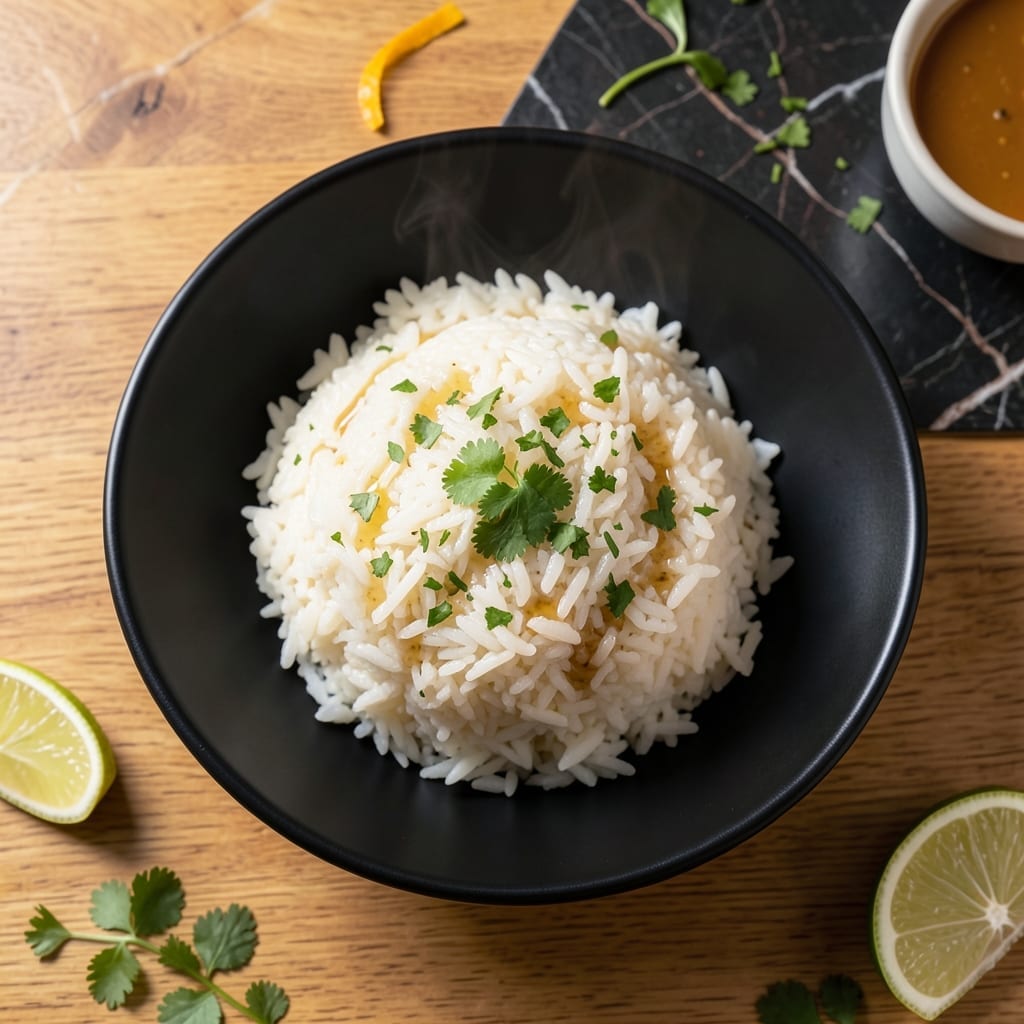
Mastering perfect rice comes down to the right ratio and technique, not luck. This method delivers consistently fluffy, separate grains every time without fail.
The secret lies in the precise water-to-rice measurement and proper heat control. I’ve tested countless variations to land on this foolproof approach that works for any white rice variety.
What you’ll achieve is restaurant-quality rice with distinct, tender grains that never turn mushy. The process is simple enough for beginners but refined for professional results.
Whether serving as a base for stir-fries or alongside your favorite protein, this rice elevates any meal.
Ingredients for Perfect White Rice
Just rice, water, and a few pantry staples create flawless results.
| Ingredient | Amount | Notes |
|---|---|---|
| Long-Grain White Rice 🌾 | 2 cups | Rinsed until water runs clear |
| Water 💧 | 4 cups | Filtered preferred for best texture |
| Kosher Salt 🧂 | 1 tsp | Diamond Crystal or Morton preferred |
| Neutral Oil 🫒 | 1 tbsp | Optional, for added richness |
| Fresh Cilantro 🌿 | ¼ cup | Chopped, for garnish (optional) |
| Lime 🍋 | ½ whole | Cut into wedges for serving |
| Garlic Powder 🧄 | ½ tsp | Optional, for extra flavor |
| Onion Powder 🧅 | ½ tsp | Optional, complements garlic |
| Bay Leaf 🍃 | 1 whole | Optional, for aromatic depth |
| Scallions 🧅 | 2 whole | Thinly sliced, for garnish |
The rice choice matters more than you think. Jasmine or basmati give you those distinct, fluffy grains the intro promises. I grab mine from Trader Joe’s or the bulk bins at Whole Foods—just check the package date. Older rice dries out, so aim for something harvested within the past year. Rinsing is non-negotiable here (worth the extra minute), unless you’re using pre-washed rice like Lundberg.
No long-grain? Medium-grain works at the same ratio, but expect slightly stickier results. Short-grain is a no-go unless you’re making risotto. For extra flavor, toast the rice in the oil first—adds a nutty depth. The water can be swapped for vegetable broth if you want more character, but stick to the 1:2 ratio. And yes, you can double this—just use a bigger pot.
Cooked rice keeps 4-5 days in the fridge, though it’s best the first day. Freeze for up to 3 months in airtight containers. Reheat with a splash of water and a quick stir—microwave works fine (don’t skip the stir).
Why You’ll Love This Recipe
- Set It & Forget: I toss everything in one pot and let it simmer—no stirring, no fuss.
- Buttery & Bright: The neutral oil adds a subtle richness, while the cilantro gives it a fresh finish.
- Pairs With Anything: Honestly, it’s my base for stir-fries, tacos, or just a simple bowl with beans.
- Stretches for Days: One batch makes enough for leftovers, and it reheats like a dream.
Step-by-Step Instructions for Perfect White Rice
Here’s my method. Simple, reliable, and it works every time for fluffy results.
Step 1: Rinse and Prepare the Rice
Place the 2 cups long-grain white rice in a fine-mesh strainer and rinse under cold water until the water runs completely clear. This removes excess starch that would otherwise make the grains gummy. I always do this over a large bowl to catch the water and see when it’s truly clear.
While the rice drains, measure out the 4 cups water and add the 1 tsp kosher salt. If you’re using the optional aromatics, add the 1 whole bay leaf, 0.5 tsp garlic powder, and 0.5 tsp onion powder to the water now. These will infuse subtle flavor as the rice cooks.
Step 2: Toast the Rice for Extra Flavor
Heat the 1 tbsp neutral oil in a medium saucepan over medium-high heat. Add the drained rice and stir to coat the grains evenly. Toast the rice for 1-2 minutes, stirring constantly, until you notice a very faint nutty aroma and the edges of the grains become slightly translucent.
This step is optional but highly recommended. It enhances the natural flavor of the rice and helps prevent sticking. Be careful not to let it brown—just a gentle toast is all you need. The grains should look slightly pearlescent at the edges when ready.
Step 3: Simmer Until Tender
Carefully pour the seasoned water into the saucepan with the rice. The water should come to a gentle boil almost immediately. Once boiling, reduce the heat to low, cover the pot with a tight-fitting lid, and let it simmer undisturbed for 15 minutes.
Don’t peek during this time—every time you lift the lid, you release steam and lower the temperature, which can lead to uneven cooking. The rice is done when all the liquid has been absorbed and the grains are tender. If you hear hissing or see steam escaping, your lid isn’t tight enough.
Step 4: Rest and Fluff
After 15 minutes, turn off the heat but leave the covered pot on the burner for an additional 10 minutes. This resting period allows the rice to steam in its own moisture, ensuring all grains cook evenly and become perfectly fluffy.
Remove the lid and discard the bay leaf if used. Gently fluff the rice with a fork, separating any clumps and aerating the grains. The rice should be light and separate easily with no sticky clumps. If it seems underdone, replace the lid and let it steam for another 2-3 minutes.
Step 5: Garnish and Serve
Transfer the rice to a serving bowl. For the optional garnishes, sprinkle with the 0.25 cup chopped fresh cilantro and top with the thinly sliced 2 whole scallions. Serve with lime wedges on the side for a bright, citrusy finish.
The rice should hold its shape when scooped but separate easily on the plate. Each grain should be distinct yet tender, with a subtle sheen but no stickiness. If you used the aromatics, you’ll notice a gentle depth of flavor that complements the rice beautifully.
Pro Tips For Making Perfect White Rice
- Rinse the Rice: I learned this the hard way—skipping the rinse leaves your rice gummy. Swirl it in a fine mesh strainer under cold water until it runs clear.
- Use a 1:1.5 Ratio: For long-grain white rice, 1 part rice to 1.5 parts water is the sweet spot. Any more and you’ll get mush; any less and it’ll be undercooked.
- Let It Steam: After the water’s absorbed, turn off the heat and let it sit covered for 10 minutes. Sounds weird, but it works—fluffier rice every time.
- Salt the Water: Add ½ teaspoon kosher salt per cup of water—my grandmother swore by this, and she was right. It seasons the rice evenly, not just on top.
Health Benefits of This Dish
Energy Boost
White rice provides quick-digesting carbohydrates that fuel your body efficiently. A 1-cup serving offers about 200 calories and 45g of carbs, making it ideal for pre- or post-workout meals. I notice my energy levels stay steady when I include it in balanced meals. 💪
Easy to Digest
This grain is naturally low in fiber and fat, which makes it gentle on the stomach. It’s often recommended for those recovering from illness or digestive issues. The simplicity of white rice makes it a go-to comfort food in many cultures.
Gluten-Free Goodness
For anyone with gluten sensitivities, white rice is a safe, versatile staple. It contains no gluten proteins, so it won’t trigger reactions. I love that it works in so many dishes while keeping meals inclusive for all dietary needs.
Fortified Options
Many brands enrich white rice with essential vitamins and minerals. A 1-cup serving often provides 10-15% of your daily iron and B vitamins like folate and thiamine. I always check labels to maximize nutritional benefits.
Hydration Support
When cooked properly, rice absorbs water, contributing to your daily fluid intake. The 2:1 water-to-rice ratio in this recipe ensures each grain is plump with moisture. This subtle hydration boost is especially helpful during hot weather. 💧
Versatile Nutrition
White rice serves as a neutral base that pairs well with vegetables, proteins, and healthy fats. This adaptability makes it easy to create balanced meals. I find it helps me meet daily nutrient goals when combined with colorful, fiber-rich sides.
Nutrition Facts
Frequently Asked Questions
What’s the ideal water-to-rice ratio?
Use a 2:1 ratio of water to rice for perfect results. For 2 cups rice, that means 4 cups water. This ensures fluffy, separate grains without mushiness.
Why do I need to rinse the rice first?
Rinsing removes excess starch that causes stickiness. Continue until the water runs completely clear—this guarantees distinct, fluffy grains every time.
Can I use a rice cooker instead?
Use the same 2:1 ratio and follow your cooker’s instructions. Most machines automatically handle the timing and resting period for you.
How do I fix undercooked rice?
Add 2-3 tablespoons water, cover, and steam for 2-3 minutes. This gives the grains time to absorb more moisture and finish cooking.

- Jollof Rice Sauce Recipe: West African Tomato and Spice Infusion - September 25, 2026
- Japanese Rice Soup Recipe: Umami-Rich Comfort in a Bowl - September 25, 2026
- Homemade Cream Of Rice Recipe: Silk-Smooth Breakfast in Minutes - September 25, 2026