
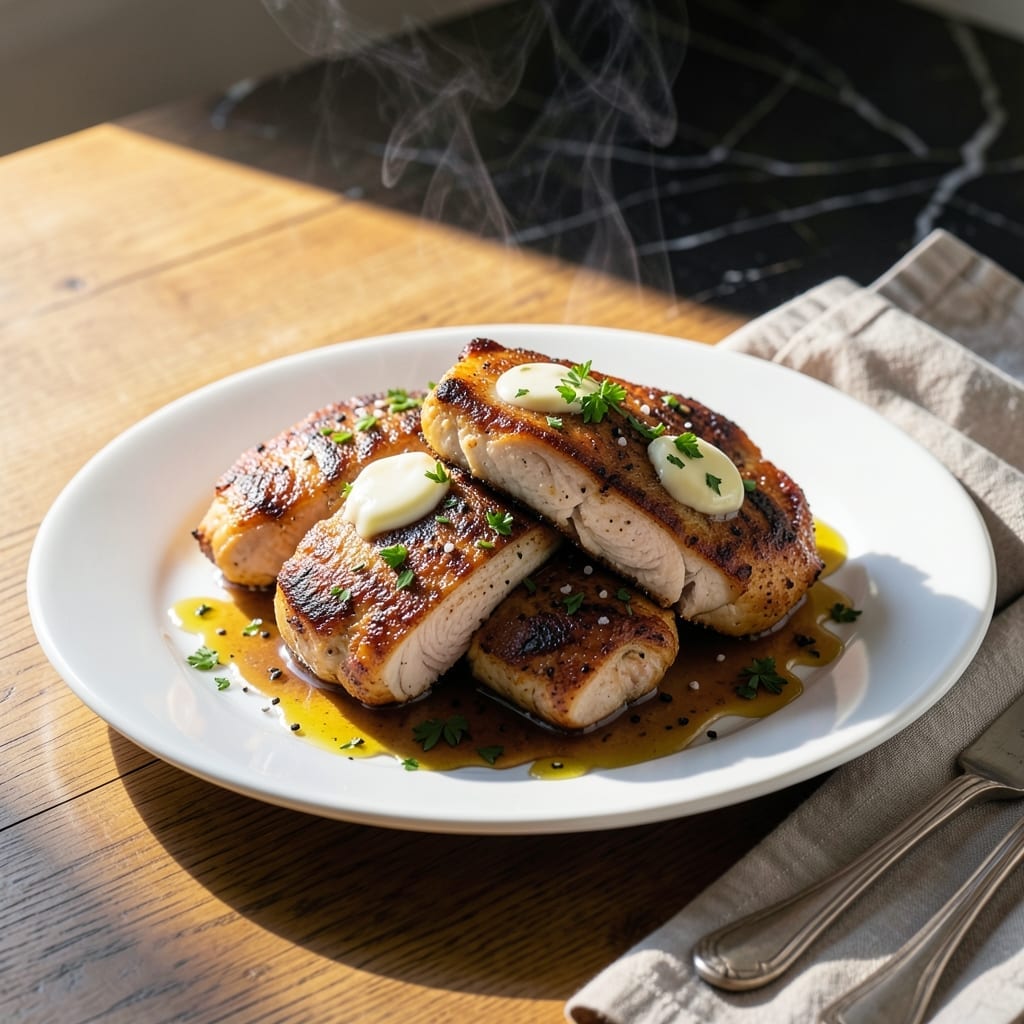
This pan-seared chicken delivers restaurant-quality results with a simple yet elegant technique. The combination of bright lemon and fresh herbs creates a dish that’s both impressive and approachable.
I developed this method to ensure tender cutlets with a golden, crisp exterior every time. The key is high heat and precise timing, which locks in juices while building deep flavor in the pan.
What you’ll achieve is perfectly cooked chicken bathed in a light, aromatic sauce that enhances without overpowering. The finish is clean, bright, and utterly satisfying.
Ideal for special occasions or elevating a weeknight meal. Here’s how to make it.
Ingredients for Proposal Chicken
Restaurant-quality chicken starts with these carefully selected, fresh ingredients for maximum impact.
| Ingredient | Amount | Notes |
|---|---|---|
| Chicken Breast Cutlets 🍗 | 1 ½ lb | Boneless, skinless, pounded to even thickness |
| All-Purpose Flour 🌾 | ½ cup | For light dredging |
| Kosher Salt 🧂 | 1 ½ tsp | Diamond Crystal preferred |
| Freshly Ground Black Pepper 🌶️ | ¾ tsp | Coarse grind for texture |
| Extra-Virgin Olive Oil 🫒 | 3 tbsp | Divided for cooking and finishing |
| Unsalted Butter 🧈 | 2 tbsp | For basting and sauce |
| Garlic Cloves 🧄 | 3 cloves | Minced finely |
| Fresh Thyme Sprigs 🌿 | 4 pieces | Leaves stripped from stems |
| Fresh Rosemary Sprig 🌿 | 1 piece | Finely chopped |
| Fresh Lemon Juice 🍋 | ¼ cup | From 1-2 large lemons |
| Lemon Zest 🍋 | 1 tbsp | Finely grated |
| Low-Sodium Chicken Broth 🥣 | ½ cup | For deglazing pan |
| Fresh Flat-Leaf Parsley 🌿 | 2 tbsp | Chopped, for garnish |
The chicken cutlets must be uniformly thin for even cooking—ask your butcher to prep them or pound them yourself to about 1/4-inch thickness. Diamond Crystal kosher salt is the professional standard for consistent seasoning. For herbs, Whole Foods or a local farmers market will have the freshest thyme and rosemary. The butter should be high-quality, like Plugrá or a European-style brand, for optimal flavor development.
No fresh herbs? Dried thyme and rosemary at one-third the amount work in a pinch, though fresh is strongly preferred. Out of lemon? Lime juice with a bit of sugar can substitute, but the flavor profile will shift slightly. For a dairy-free version, olive oil or coconut oil can replace the butter, though the sauce will lack richness. The chicken broth can be swapped for vegetable broth without issue.
Store raw chicken in the coldest part of your fridge and use within 2 days for best quality. The herbs will keep wrapped in damp paper towels for 5-7 days. Finished dish reheats gently but is best served immediately for optimal texture and freshness.
Why You’ll Love This Recipe
- One Pan Magic: I sear the cutlets in olive oil, then finish in the same pan—minimal cleanup, maximum flavor.
- Crispy Perfection: The flour crust with salt and pepper gets golden, while the chicken stays juicy inside.
- Date Night Ready: Honestly, it feels fancy enough for a special dinner but takes 20 minutes flat.
- Budget Friendly: Chicken cutlets stretch further than whole breasts, and the pantry staples keep costs low.
Step-by-Step Instructions for Pan-Seared Lemon and Herb Cutlets
Master the technique for restaurant-quality results with this straightforward, foolproof method.
Step 1: Season and Dredge the Cutlets
Pat the 1.5 lb Chicken Breast Cutlets thoroughly dry with paper towels. Even moisture prevents proper browning. Season both sides evenly with the 1.5 tsp Kosher Salt and 0.75 tsp Freshly Ground Black Pepper, pressing gently to adhere.
Dredge each cutlet lightly in the 0.5 cup All-Purpose Flour, shaking off excess. The flour should create a thin, even coating—not a thick paste. This layer ensures a golden crust while protecting the delicate meat during cooking.
Step 2: Pan-Sear to Golden Perfection
Heat 2 tbsp Extra-Virgin Olive Oil in a large skillet over medium-high heat until shimmering. Add the cutlets without crowding—work in batches if necessary. Cook undisturbed for 3-4 minutes per side until deep golden brown and crisp.
The cutlets will release easily from the pan when properly seared. Add the remaining 1 tbsp Extra-Virgin Olive Oil and 2 tbsp Unsalted Butter during the final minute of cooking. Tilt the pan and baste the cutlets with the foaming butter for added richness.
Step 3: Build the Aromatic Lemon-Herb Pan Sauce
Transfer the cutlets to a plate and tent with foil. Reduce heat to medium. Add the 3 cloves Garlic Cloves (minced), 4 pieces Fresh Thyme Sprigs (leaves stripped), and 1 piece Fresh Rosemary Sprig (chopped) to the pan.
Cook for 30 seconds until fragrant, then pour in the 0.25 cup Fresh Lemon Juice and 0.5 cup Low-Sodium Chicken Broth. Scrape up all browned bits from the bottom with a wooden spoon. Simmer for 2-3 minutes until slightly reduced.
Step 4: Finish and Garnish
Return the cutlets to the skillet, spooning the sauce over them. Add the 1 tbsp Lemon Zest and simmer for 1 minute to meld the flavors. The sauce should coat the back of a spoon lightly.
Transfer to serving plates and garnish with the 2 tbsp Fresh Flat-Leaf Parsley. Serve immediately while the crust is still crisp and the sauce is glossy. The acidity from the lemon cuts through the richness, creating a perfect balance of bright and savory flavors.
Pro Tips For Making Proposal Chicken
- Pound the Cutlets: Use a rolling pin or meat mallet to even out the chicken to 1/4-inch thickness—this guarantees quick, even cooking so the outside gets golden before the inside dries out.
- Season the Flour: Mix a teaspoon each of kosher salt and black pepper directly into the flour before dredging; it sticks better than seasoning the chicken alone and gives every bite consistent flavor.
- Heat the Oil First: Get the olive oil shimmering hot in the pan before adding the cutlets—I learned this the hard way after too many pale, greasy results from starting with cold oil.
- Rest Before Serving: Let the chicken rest 3-4 minutes on a wire rack after cooking; it keeps the crust crisp instead of soggy from trapped steam.
Common Mistakes When Making Great proposal chicken
Overcrowding the Pan
Resist the urge to cook all cutlets at once. Overcrowding lowers pan temperature, causing steaming instead of searing. Work in batches with 2-3 cutlets per 12-inch skillet. I learned this the hard way with soggy, gray chicken. 🔥
Inconsistent Thickness
Uneven cutlets cook inconsistently—thin parts dry out while thick parts stay raw. Pound to a uniform ¼-inch thickness using a meat mallet or rolling pin. Place cutlets between plastic wrap to prevent tearing.
Skipping the Drying Step
Wet chicken won’t brown properly. Pat each cutlet thoroughly dry with paper towels before seasoning. This small step makes the difference between a crisp, golden crust and a pale, limp exterior.
High Heat Without Control
While high heat is essential, it must be controlled. If your oil starts smoking excessively, reduce heat slightly. You want medium-high heat—hot enough to sizzle but not burn the butter. I adjust my burner constantly during cooking.
Forgetting to Rest
Let cutlets rest 5 minutes on a plate before serving. This allows juices to redistribute, ensuring tender, moist meat. Skipping this step results in dry chicken as juices pool on the cutting board.
Over-Reducing the Sauce
Simmer the sauce just until it coats the back of a spoon—about 2-3 minutes. Over-reducing makes it too thick and salty. The perfect sauce should be light and glossy, not syrupy. 💡
Nutrition Facts
Frequently Asked Questions
What’s the best pan for searing?
Use a heavy stainless steel or cast iron skillet for even heat distribution. Nonstick pans won’t develop the same browning. Ensure it’s large enough to avoid crowding the cutlets.
Can I use chicken thighs instead?
Yes, but adjust cooking time to 4-5 minutes per side. Thighs stay juicier and handle high heat well. Pound them to ¼-inch thickness for even cooking.
How do I keep the sauce from separating?
Remove the pan from heat when adding butter to prevent breaking. Swirl the pan gently to emulsify. If it separates, whisk in 1 tsp cold water to bring it back together.
What sides pair well with this?
Serve with roasted asparagus, mashed potatoes, or a simple green salad. The bright lemon sauce complements most vegetables and starches beautifully.

- Jollof Rice Sauce Recipe: West African Tomato and Spice Infusion - September 25, 2026
- Japanese Rice Soup Recipe: Umami-Rich Comfort in a Bowl - September 25, 2026
- Homemade Cream Of Rice Recipe: Silk-Smooth Breakfast in Minutes - September 25, 2026