
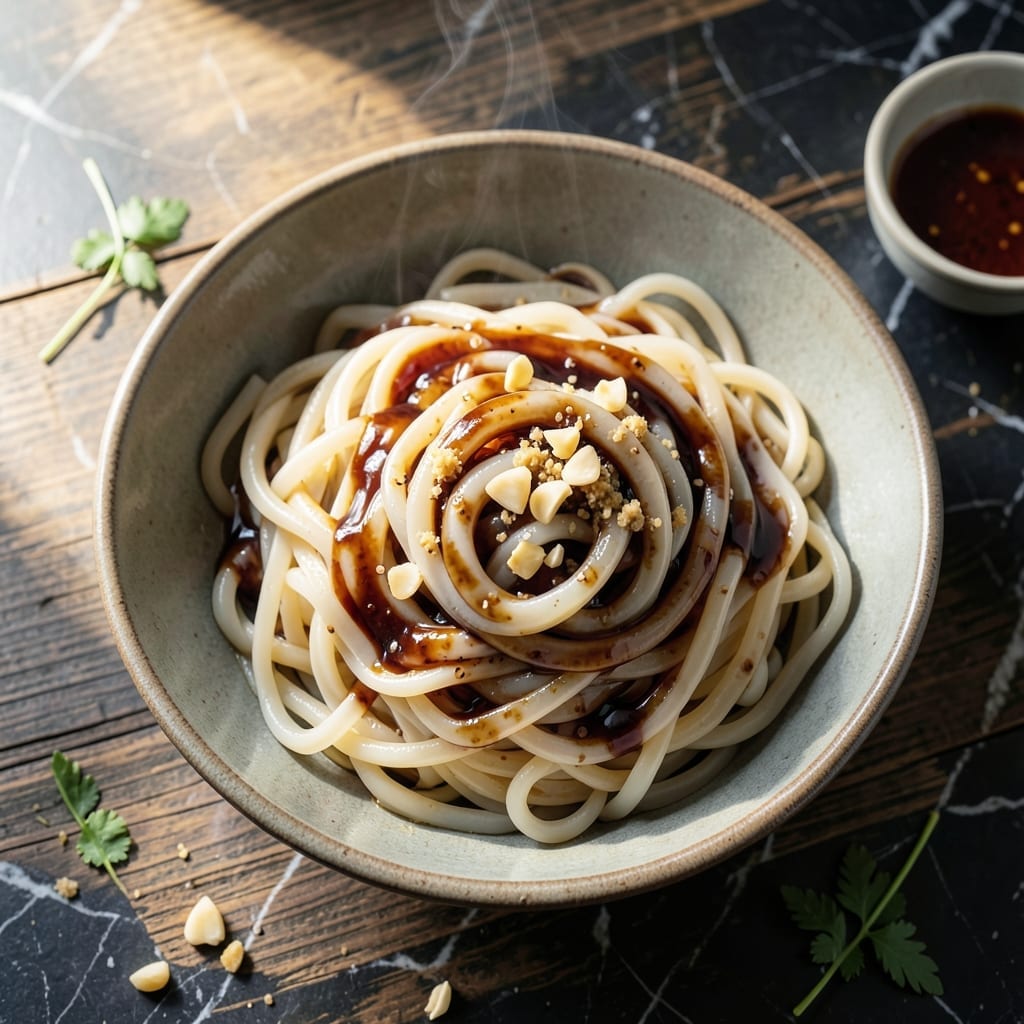
I developed this dish after countless attempts to perfect the balance between tender rice noodles and bold soy flavor. The key is high-heat wok cooking that creates umami-rich caramelization without overpowering the vegetables.
This method transforms simple ingredients into a restaurant-quality meal. The rice noodles soak up the soy sauce while maintaining their delicate texture, and spring vegetables add fresh contrast to the savory base.
What you get is a dish that’s both comforting and vibrant—tender noodles coated in a glossy, flavorful sauce with crisp-tender vegetables throughout. The aroma alone makes it worth the effort.
Serve immediately for the best texture. Here’s how to make it perfectly every time.
Ingredients for Rice Noodle Soy Sauce
Transform simple pantry staples into a restaurant-quality wok-seared dish with these fresh ingredients.
| Ingredient | Amount | Notes |
|---|---|---|
| Rice Noodles 🍜 | 8 oz | Dry, flat or vermicelli style |
| Soy Sauce 🫒 | ½ cup | Low-sodium or regular variety |
| Dark Soy Sauce 🫒 | 1 tbsp | For depth and color |
| Sesame Oil 🫒 | 1 tbsp | Toasted for best flavor |
| Vegetable Oil 🫒 | 3 tbsp | High smoke point for wok cooking |
| Garlic Cloves 🧄 | 4 cloves | Minced finely for sauce |
| Fresh Ginger 🌿 | 1 tbsp | Peeled and grated |
| Bell Peppers 🌶️ | 2 whole | Thinly sliced, any color |
| Carrots 🥕 | 2 whole | Julienned for quick cooking |
| Snow Peas 🌱 | 1 cup | Trimmed, fresh or frozen |
| Green Onions 🧅 | 4 whole | Thinly sliced for garnish |
| Mushrooms 🍄 | 1 cup | Shiitake or cremini, sliced |
| Rice Vinegar 🍚 | 1 tbsp | For balance in sauce |
| Brown Sugar 🍚 | 1 tsp | Or coconut sugar for vegan |
| Red Pepper Flakes 🌶️ | ½ tsp | Adjust to spice preference |
The rice noodles are the foundation—look for flat or vermicelli styles at Asian markets or the international aisle. Soy sauce quality matters; opt for naturally brewed varieties like Kikkoman or Pearl River Bridge. Dark soy sauce adds depth and color. For the sesame oil, Kadoya or Spectrum brands offer superior toasted flavor. Fresh ginger and garlic are non-negotiable for authentic umami development. Most grocery stores carry these, but Whole Foods has excellent organic options.
No rice noodles? Soba or udon work in a pinch (check they’re egg-free). Swap bell peppers for bok choy or broccoli. If you skip the mushrooms, add extra snow peas for texture. Tamari at one-to-one ratio replaces soy sauce for gluten-free. Brown sugar can be coconut sugar or maple syrup. Missing rice vinegar? Apple cider vinegar works at the same amount. Always taste and adjust seasoning before serving.
Cooked noodles and sauce are best fresh, but leftovers keep 3-4 days in the fridge. Store noodles and sauce separately to prevent sogginess. Reheat quickly in a hot wok with a splash of water. For make-ahead, prep all vegetables and sauce components the night before—keep refrigerated and cook just before serving.
Why You’ll Love This Recipe
- 20-Minute Meal: I can have this on the table faster than waiting for delivery. Just boil the rice noodles and toss with the soy sauce blend.
- Umami Bomb: That mix of regular and dark soy sauce with sesame oil hits all the savory notes—rich, salty, and just a little nutty.
- Leftover Champion: Honestly, it tastes even better the next day after the noodles soak up all that soy sauce goodness.
- Pantry Hero: All I need are a few shelf-stable staples, and suddenly I’ve got a restaurant-worthy dish without the restaurant prices.
Step-by-Step Instructions for Wok-Seared Umami With Spring Vegetables
Precision in timing and technique ensures vibrant vegetables and perfectly tender noodles each time.
Step 1: Soak Rice Noodles and Prepare Aromatics
Place the 8 oz Rice Noodles in a large bowl and cover with hot water. Let them soak for 8-10 minutes until pliable but still slightly firm—they’ll finish cooking in the wok. Meanwhile, mince the 4 cloves Garlic Cloves and grate the 1 tbsp Fresh Ginger until you have a fine, fragrant paste.
Drain the noodles in a colander and rinse briefly under cold water to stop the cooking process. This prevents them from turning mushy during stir-frying. Keep them in the colander to drain completely while you prep the remaining ingredients.
Step 2: Stir-Fry Vegetables in Batches for Optimal Texture
Heat 2 tbsp Vegetable Oil in a wok or large skillet over high heat until shimmering. Add the julienned 2 whole Carrots and cook for 1-2 minutes until they begin to soften slightly. Then add the thinly sliced 2 whole Bell Peppers and 1 cup Mushrooms.
Stir-fry for 3-4 minutes until the vegetables are tender-crisp and the mushrooms release their moisture. Transfer the vegetables to a plate and set aside. In the same pan, add the remaining 1 tbsp Vegetable Oil and heat until hot.
Step 3: Cook Aromatics and Combine All Components
Add the minced garlic and grated ginger to the hot oil. Stir constantly for 30 seconds until the aromatics are fragrant but not browned—burnt garlic will impart a bitter taste. Immediately add the drained rice noodles, 1 cup Snow Peas, and the reserved vegetables.
Pour the 0.5 cup Soy Sauce, 1 tbsp Dark Soy Sauce, 1 tbsp Rice Vinegar, 1 tsp Brown Sugar, and 0.5 tsp Red Pepper Flakes over the noodles. Toss everything together with tongs for 2-3 minutes until the noodles are fully tender and coated evenly.
Step 4: Finish with Sesame Oil and Garnish
Remove the wok from heat and drizzle the 1 tbsp Sesame Oil over the noodles. Toss once more to distribute the oil and enhance the flavor. The noodles should glisten with a rich, umami-coated sheen.
Transfer to a serving platter and garnish with the thinly sliced 4 whole Green Onions. Serve immediately while hot—the noodles will absorb more sauce as they sit. Each bite should deliver a balance of savory depth, slight sweetness, and a subtle heat from the red pepper flakes.
Pro Tips For Making Rice Noodle Soy Sauce
- Soak Noodles First: Cover rice noodles in warm water for 10-15 minutes before cooking—I learned this the hard way after pulling out crunchy, undercooked strands too many times.
- Balance the Sauces: Use 2 parts regular soy sauce to 1 part dark soy sauce for depth without overpowering sweetness, and add a teaspoon of sugar if you want that authentic takeout flavor.
- Skip Overcrowding: Boil rice noodles in batches or use a large pot with plenty of water, or they’ll clump together and cook unevenly—my first three attempts were a gluey mess.
- Finish with Sesame: Drizzle sesame oil at the very end, just before serving, to preserve its aroma—I was skeptical until I tried it, and now I never skip this step.
Creative Variations of rice noodle soy sauce
Peanut Butter Twist
Add 2 tbsp creamy peanut butter to the sauce mixture before tossing with noodles. The nutty richness pairs beautifully with soy and creates a satay-like flavor. I thin it with 1 tbsp warm water for easier mixing. 🌟
Spicy Sriracha Kick
Stir in 1 tbsp sriracha with the sauce components, or offer it as a condiment. The heat cuts through the umami while adding vibrant color. For extra depth, I also sprinkle ½ tsp smoked paprika.
Coconut Curry Style
Replace rice vinegar with 1 tbsp lime juice and add ½ cup coconut milk to the sauce. This Thai-inspired version feels luxurious and creamy. Toss in ¼ cup fresh cilantro at the end.
Ginger Garlic Boost
Double the ginger and garlic for an extra-aromatic version. I add 1 tbsp oyster sauce to deepen the flavor. This works especially well with bell peppers and mushrooms.
Citrus Zest Finish
Brighten the dish with zest of 1 lime and 1 tbsp lime juice added at the end. The citrus lifts the soy’s saltiness. Garnish with toasted sesame seeds for crunch.
Vegetable Variations
Swap spring vegetables for bok choy or baby corn in summer. For heartier meals, add cubed tofu or sliced tempeh. These hold up well to the bold soy flavor.
Nutrition Facts
Frequently Asked Questions
Can I use regular pasta instead of rice noodles?
Yes, but the texture will differ. Use angel hair pasta for closest results, cooking it 1 minute less than package directions. Rice noodles absorb sauce differently, so expect a slightly firmer bite.
What if I don’t have a wok?
A large skillet works fine—just cook in smaller batches to avoid steaming the noodles. Use high heat and keep ingredients moving constantly for even cooking.
How do I prevent the noodles from sticking?
Make sure your pan is very hot before adding oil and noodles. Use tongs to toss frequently, and don’t overcrowd the pan. A splash of water can help if needed.
Can I make this gluten-free?
Use tamari instead of soy sauce and check that your rice noodles are 100% rice. Many brands contain wheat, so read labels carefully.

- Jollof Rice Sauce Recipe: West African Tomato and Spice Infusion - September 25, 2026
- Japanese Rice Soup Recipe: Umami-Rich Comfort in a Bowl - September 25, 2026
- Homemade Cream Of Rice Recipe: Silk-Smooth Breakfast in Minutes - September 25, 2026