
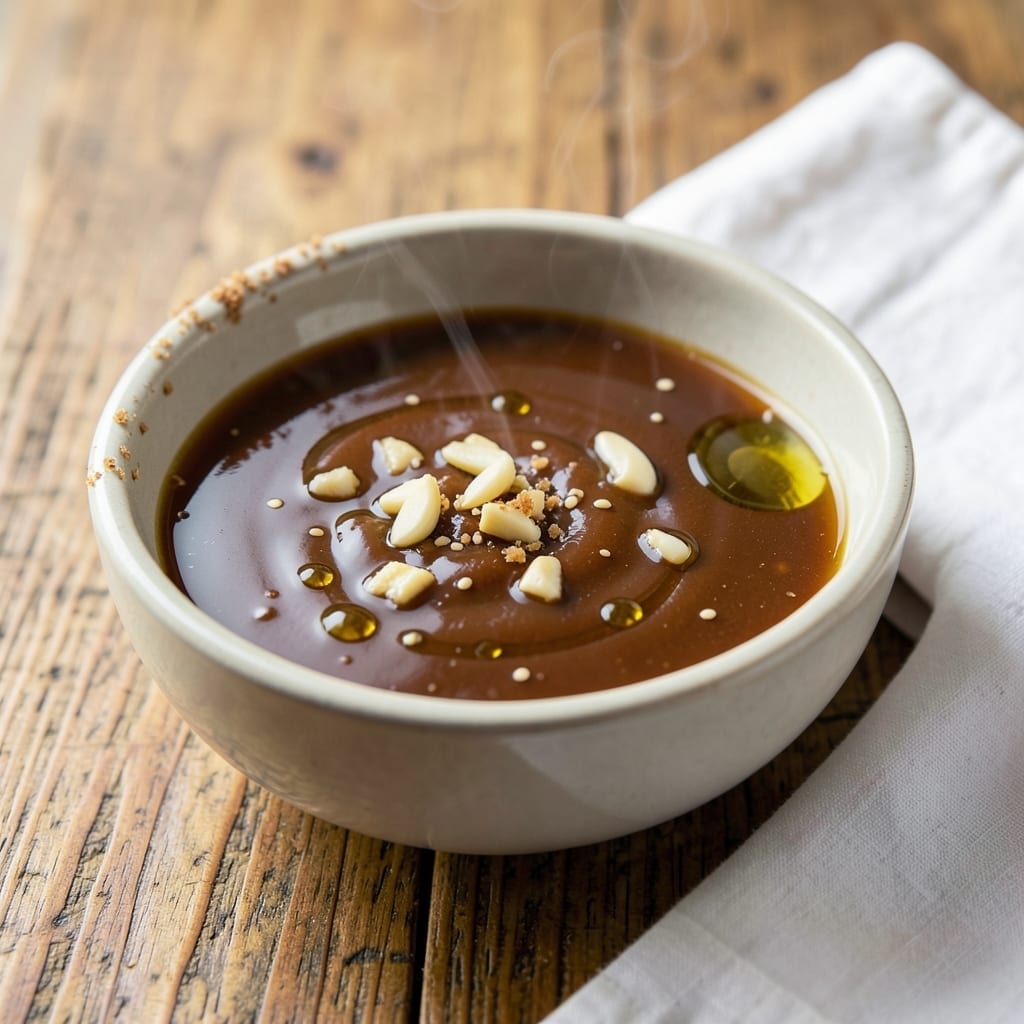
This sauce transforms plain rice into restaurant-quality stir fry every time. I developed it after countless takeout attempts that never quite hit the mark.
The balance of soy sauce, garlic, and ginger creates umami-rich depth that clings to each grain. A touch of sweetness and acidity rounds out the flavor profile perfectly.
Ready in 5 minutes, it stores beautifully for quick weeknight meals. The recipe scales easily for single servings or family-sized batches.
Drizzle over rice, noodles, or vegetables for instant flavor elevation. Here’s how to make this kitchen staple.
Ingredients for Rice Stir Fry Sauce
Nine ingredients create that umami-rich depth that elevates every grain of rice instantly.
| Ingredient | Amount | Notes |
|---|---|---|
| Low-Sodium Soy Sauce 🥢 | ½ cup | Tamari for gluten-free option |
| Rice Vinegar 🍚 | 3 tbsp | Unseasoned variety preferred |
| Brown Sugar 🍚 | 2 tbsp | Light or dark works |
| Fresh Ginger Root 🌿 | 1 tbsp | Finely grated or minced |
| Garlic Cloves 🧄 | 4 cloves | Minced to fine paste |
| Sesame Oil 🫒 | 1 tbsp | Toasted for depth |
| Oyster Sauce 🥢 | 2 tbsp | Vegetarian oyster sauce if needed |
| Chili Garlic Sauce 🌶️ | 1 tbsp | Adjust for heat preference |
| Cornstarch 🌾 | 1 tbsp | Mixed with 1 tbsp water |
The soy sauce is non-negotiable for authentic flavor. Kikkoman low-sodium is my go-to for consistent quality without overpowering saltiness. For ginger and garlic, fresh is mandatory—pre-minced lacks the bright, punch these need. Asian markets often carry the best rice vinegar at lower prices than standard grocers. Look for unseasoned vinegar to avoid unwanted sweetness.
No oyster sauce? Hoisin or vegetarian oyster sauce works in a pinch. Swap brown sugar for honey or maple syrup if that’s what you have. The chili garlic sauce can be replaced with sriracha at half the amount. For gluten-free, tamari substitutes beautifully for soy sauce. The cornstarch slurry is optional but highly recommended for that glossy finish.
This sauce keeps in an airtight container for 10 days in the fridge. Freeze in ice cube trays for 3 months of quick flavor boosts. The flavors deepen overnight, so make it ahead whenever possible.
Why You’ll Love This Recipe
- One Bowl Wonder: I mix everything in a single bowl—no fancy techniques, just soy sauce, vinegar, and brown sugar with a kick of ginger.
- Flavor Bomb: The garlic and ginger hit hard in the best way, that sweet-savory balance that makes me lick the spoon.
- Meal Prep MVP: I double the batch and keep it in the fridge for quick stir-fries all week. Honestly, it’s my weekday lifesaver.
- Pantry Hero: No exotic ingredients, just staples I always have. Between us, it saves me from last-minute grocery runs.
Step-by-Step Instructions for Rice Stir Fry Sauce
This method ensures a perfectly balanced sauce with depth of flavor and ideal consistency.
Step 1: Blooming Aromatics in Sesame Oil
Heat a small saucepan over medium heat and add the 1 tbsp Sesame Oil. Once it shimmers, add the 1 tbsp Fresh Ginger Root and 4 cloves Garlic Cloves, both finely minced. Stir constantly for 30-45 seconds until fragrant but not browned.
This blooming process releases the essential oils from the garlic and ginger, creating a flavor base that’s far more complex than simply adding them raw. Watch closely—burnt garlic turns bitter and ruins the sauce.
Step 2: Building the Umami Foundation
Pour in the 0.5 cup Low-Sodium Soy Sauce, 3 tbsp Rice Vinegar, 2 tbsp Brown Sugar, 2 tbsp Oyster Sauce, and 1 tbsp Chili Garlic Sauce. Stir well to dissolve the brown sugar completely, which takes about 1-2 minutes over medium heat.
The low-sodium soy sauce and oyster sauce work in tandem to create a deep, savory backbone, while the rice vinegar adds brightness to balance the richness. The brown sugar caramelizes slightly, rounding out the flavors.
Step 3: Thickening to the Perfect Consistency
In a small bowl, mix the 1 tbsp Cornstarch with 1 tbsp water to create a slurry. Slowly pour this into the simmering sauce while whisking continuously. The sauce will begin to thicken within 30-60 seconds of simmering.
Continue cooking for an additional 1-2 minutes until the sauce coats the back of a spoon and has a glossy, velvety texture. This step transforms the liquid into a clingy, restaurant-style drizzle that adheres beautifully to rice and vegetables.
Step 4: Finishing and Cooling
Remove the saucepan from heat and let the sauce cool for 5 minutes. As it cools, it will thicken slightly more, reaching the ideal consistency for drizzling over stir-fried rice, noodles, or proteins.
Taste and adjust seasoning if needed—though the balance of salty, sweet, tangy, and umami should be spot-on. Transfer to a jar or bowl for immediate use, or store in the refrigerator for up to 5 days. The flavors will meld and deepen over time.
Pro Tips For Making Rice Stir Fry Sauce
- Bloom the Aromatics: Cook the minced ginger and garlic in a little oil for 30-45 seconds until fragrant but not browned—I learned this the hard way after burning a few batches.
- Balance the Sweetness: Use 1 tablespoon of brown sugar per 3 tablespoons of soy sauce, then taste and adjust. Sounds simple, but I used to eyeball it and ended up with sauce that was either cloying or bland.
- Skip Raw Ginger: Always peel and finely grate the ginger instead of chopping it roughly. My grandmother swore by this, and she was right: it blends better into the sauce.
- Reduce the Sauce: Simmer the mixed sauce for 2-3 minutes to thicken slightly—it clings better to rice and veggies. I was skeptical until I tried it and saw how much more flavor it delivered.
Essential Equipment for This Dish
Small Saucepan
A 1-2 quart saucepan is ideal for this recipe. I use my All-Clad stainless steel because it heats evenly and won’t react with acidic ingredients like rice vinegar. Avoid nonstick for sauces—it can’t handle the high heat needed for caramelization. 🔥
Whisk
A balloon whisk is essential for dissolving brown sugar and incorporating the cornstarch slurry smoothly. I keep a 10-inch OXO Good Grips in my saucepan for this very purpose. The curved shape gets into the pan’s corners beautifully.
Fine Grater
For the ginger, a microplane grater creates the finest texture that nearly melts into the sauce. I’ve tested this with both box graters and mincing knives, but the microplane gives superior results. It’s a game-changer for aromatic ingredients.
Glass Jar for Storage
Once cooled, transfer the sauce to a 16-ounce mason jar or similar airtight container. I love using Ball jars because they’re easy to find at any grocery store and the wide mouth makes scooping simple. The glass won’t absorb odors like plastic can.
Measuring Cups and Spoons
Precision matters here. I use OXO stainless steel measuring cups and spoons that nest together for easy storage in my tiny Boston kitchen. The tablespoon and teaspoon sizes get the most use for sauce recipes like this one.
Long-Handled Spoon
A wooden spoon with a long handle lets you stir in the saucepan without burning your fingers. I prefer bamboo because it’s gentle on cookware and won’t conduct heat like metal. Plus, it won’t scratch your nice pans. 💡
Nutrition Facts
Frequently Asked Questions
Can I make this without oyster sauce?
Yes! Substitute with hoisin sauce or vegetarian oyster sauce for similar depth. Each adds a different nuance but maintains the rich umami flavor.
How do I adjust the spice level?
Start with ½ tbsp chili garlic sauce, taste, then add more. For no heat, omit it entirely. The sauce stays balanced either way.
Why does my sauce look thin?
Simmer the cornstarch slurry for 1-2 minutes after adding. If still thin, mix another ½ tbsp cornstarch with water and repeat.
Can I use this for more than rice?
It’s delicious on noodles, tofu, or grilled chicken. The versatility makes it a fridge staple.

- Gambia Jollof Rice Recipe: West African One-Pot Spice Fusion - October 5, 2026
- Cream of Wild Rice Soup Recipe Minnesota: Northwoods Creaminess With Foraged Grains - October 5, 2026
- Frozen Cauliflower Fried Rice Recipe: Quick Low-Carb Wok Magic - October 5, 2026