
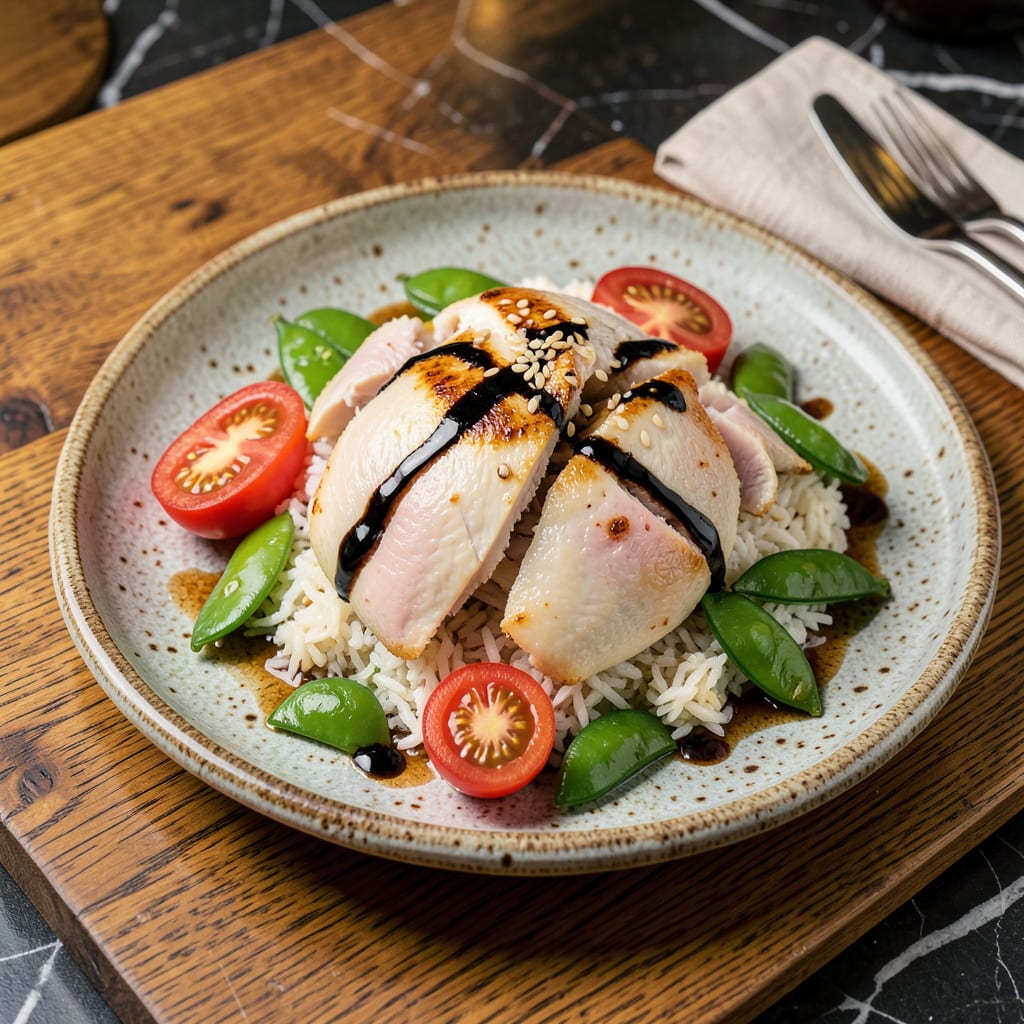
Silkie chicken meat offers a distinctive gamey yet delicate flavor with a tender, almost gelatinous texture. Its dark flesh and rich umami notes make it prized in Asian cuisine, though its smaller size yields less meat than conventional breeds.
I often describe this meat as a culinary paradox—it carries an earthy intensity that’s surprisingly balanced by a melt-in-your-mouth softness. The unique black skin (caused by melanin deposits) and connective tissue breakdown during cooking create that signature velvety consistency. 🔥 What really sets it apart is how it absorbs flavors during slow cooking, making it ideal for broths and stews where you want depth without heaviness.
In traditional Chinese medicine, silkie meat is considered a warming food, often paired with herbs like ginseng and jujube dates to create nourishing tonics. The smaller bird size means you’ll typically work with 1-2 pounds of meat per chicken, which is why it’s often served as a whole bird in soups rather than carved like conventional poultry. ✨
💡 In This Article
- Why Silkie Chicken Meat Tastes Different Than Regular Chicken
- Best Cooking Methods for Silkie Chicken Meat
Why Silkie Chicken Meat Tastes Different Than Regular Chicken
The unique flavor begins with silkie chickens’ unusual biology. Their black skin and bones contain high melanin concentrations—up to 5 times more than standard breeds—which contributes earthy, mineral-like undertones. This melanin isn’t just superficial; it permeates the connective tissues and muscle fibers, creating a flavor foundation that’s both gamey and subtly sweet. 🔥
Diet plays a crucial role too. Silkies are natural foragers that consume more insects, seeds, and greens than grain-fed commercial chickens. Their diet includes items like beetles, grasshoppers, and even small lizards in free-range environments, which introduces complex amino acids that develop into rich umami compounds during cooking.
The meat’s fat composition also differs—it contains 20% more unsaturated fats than conventional chicken, giving it a silkier mouthfeel that coats the palate differently.
Muscle structure explains the texture difference. Silkie chickens have 30% less breast muscle but more dark meat overall, with finer muscle fibers that break down more easily when cooked. Their connective tissue contains higher levels of collagen that transforms into gelatin during slow cooking, creating that signature “melt-in-your-mouth” quality.
This is why traditional preparations like Chinese Samgyetang (ginseng chicken soup) use hours of simmering—to fully render the collagen into a velvety broth. ✨
Cultural preparation methods enhance these natural qualities. In Southeast Asia, silkies are often braised with aromatic herbs like star anise and cinnamon that complement their inherent earthiness. The Chinese technique of “double boiling” (using a ceramic jar within a pot of water) preserves the delicate texture while infusing flavors.
Unlike regular chicken that can handle aggressive seasoning, silkie meat shines when paired with subtle, warming spices that accentuate rather than mask its unique profile.
What surprises many first-time tasters is the meat’s color—it appears nearly black when raw due to the melanin, then transforms to a deep mahogany when cooked. This visual contrast prepares the eater for the intense yet refined flavor experience.
The smaller bird size (1-1.5 lbs dressed weight) means each bite contains more skin and connective tissue relative to meat, amplifying the textural experience. 🌟
Temperature control is critical when cooking. Silkie meat benefits from low-and-slow methods (180-200°F for 2-3 hours) that gently break down collagen without toughening the delicate fibers.
Quick high-heat methods can make it rubbery, which is why deep-frying (a popular street food preparation) uses a precise 350°F oil temperature for exactly 4-5 minutes to create crispy skin while keeping the interior moist.
The aging process affects flavor intensity too. Traditional markets often use birds that are 4-6 months old, as younger silkies lack developed flavor while older ones can become overly gamey.
This careful age selection, combined with the breeding for black skin traits, creates a meat that’s become a delicacy precisely because of its differences from conventional poultry. 💫

- Jollof Rice Sauce Recipe: West African Tomato and Spice Infusion - September 25, 2026
- Japanese Rice Soup Recipe: Umami-Rich Comfort in a Bowl - September 25, 2026
- Homemade Cream Of Rice Recipe: Silk-Smooth Breakfast in Minutes - September 25, 2026