
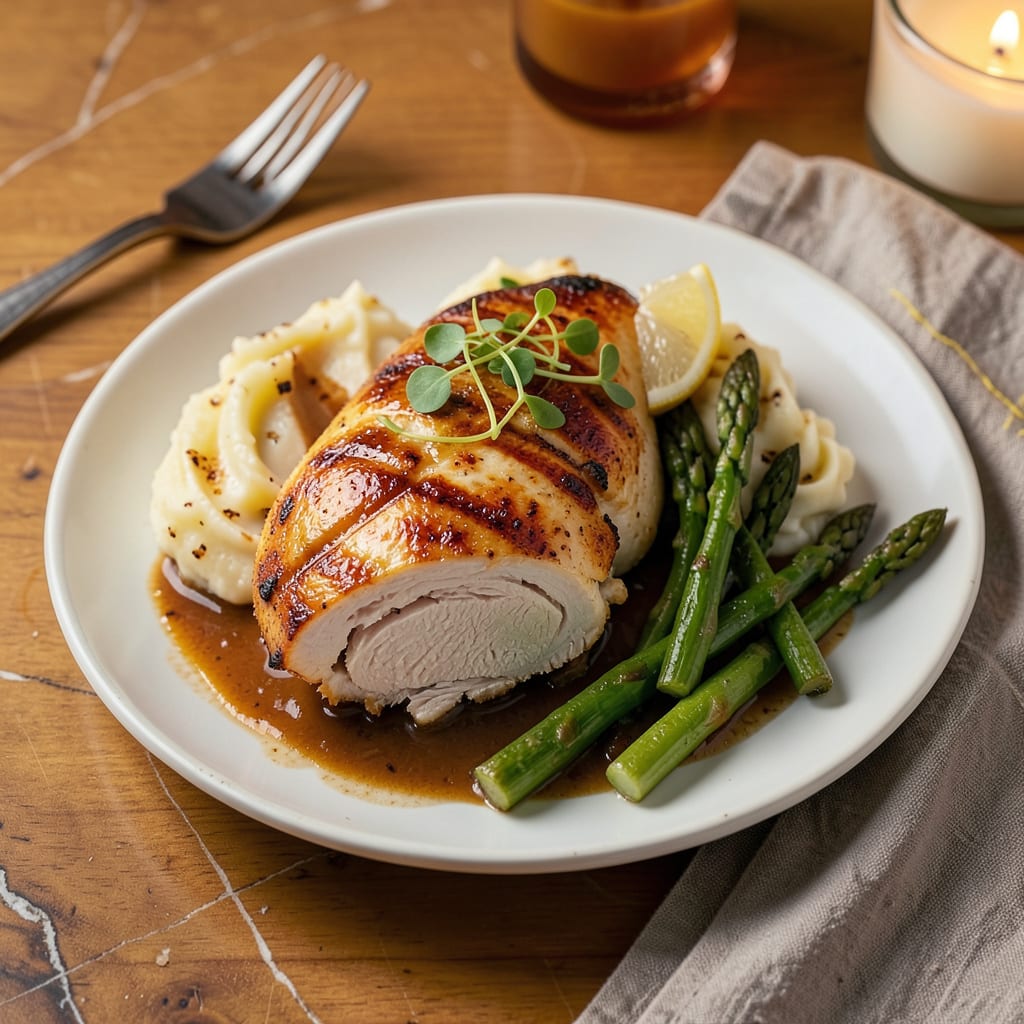
Thaw frozen chicken in the fridge overnight for best results, then reheat using moist methods like oven baking at 325°F with broth or steaming. Microwaving works for quick reheating but risks dryness—cover with a damp paper towel and use medium power.
I’ve found the key to juicy reheated chicken lies in protecting its moisture at every step. 🔥 When you thaw chicken slowly in the fridge, you’re giving the muscle fibers time to reabsorb their natural juices rather than losing them to rapid temperature shocks. The oven method with broth creates a gentle steam environment that prevents the meat from drying out, while microwaving demands extra caution—those damp paper towels aren’t just for show, they actively trap escaping steam to keep the chicken tender.
What most people overlook is how internal temperature affects texture. Aim for 165°F at the thickest part, but avoid overshooting—every degree beyond that pulls more moisture from the meat. I always pull my chicken out when it’s just hitting that mark, then let it rest for 5 minutes before serving to redistribute those precious juices. ✨
💡 In This Article
- Why Thawing Frozen Chicken Properly Prevents Dryness
- Best Tools and Techniques for Reheating Chicken Evenly
Why Thawing Frozen Chicken Properly Prevents Dryness
When chicken freezes, sharp ice crystals form inside its muscle fibers, piercing cell walls like microscopic needles. These crystals disrupt the meat’s natural structure, causing juices to leak out during thawing. The slower you thaw—like in the fridge at 40°F—the more time those damaged cells have to reabsorb moisture.
Rapid thawing (especially in microwaves) forces water out too quickly, leaving you with dry, stringy meat that’s lost up to 30% of its natural juices. 🔥
The fridge method takes 24 hours for whole chickens or 12 hours for cut pieces, but this patience pays off. Cold water thawing (sealed in a bag, submerged) works faster—about 1-2 hours—because water conducts heat 20 times more efficiently than air.
However, microwave defrosting creates uneven hot spots that partially cook some areas while leaving others frozen, leading to that dreaded rubbery texture. ✨
Here’s what happens at the cellular level: During gradual thawing, the ice crystals melt slowly enough that the muscle proteins (actin and myosin) can relax and reintegrate. But when you zap frozen chicken in the microwave, those proteins contract violently from the sudden heat, squeezing out moisture like a sponge.
That’s why microwave-thawed chicken often releases a pool of liquid when cooked—it’s literally been shocked into expelling its natural juices. 💫
Temperature control is everything. The “danger zone” between 40°F-140°F is where bacteria multiply fastest, which is why cold water thawing requires changing the water every 30 minutes to maintain safety. Fridge thawing keeps the chicken consistently cold while allowing even temperature distribution, preserving both safety and texture.
This method also maintains the meat’s pH balance, which affects how well it retains moisture during reheating. ⚡
For comparison, think of frozen chicken like a water balloon. Slow thawing lets the water redistribute evenly inside, while rapid thawing creates weak spots where liquid escapes. The same principle applies to the chicken’s muscle fibers—gentle temperature changes preserve their ability to hold onto natural juices, while temperature shocks cause irreversible moisture loss. 🌟
Pro tip: If you’re short on time, combine methods safely. Start with cold water thawing for 1 hour, then finish in the fridge. This hybrid approach gives you faster results while still protecting the meat’s cellular structure better than microwave defrosting alone.
Always pat the chicken dry before reheating—excess surface moisture creates steam that can make the exterior soggy instead of crisp. 💛

- Jollof Rice Sauce Recipe: West African Tomato and Spice Infusion - September 25, 2026
- Japanese Rice Soup Recipe: Umami-Rich Comfort in a Bowl - September 25, 2026
- Homemade Cream Of Rice Recipe: Silk-Smooth Breakfast in Minutes - September 25, 2026