
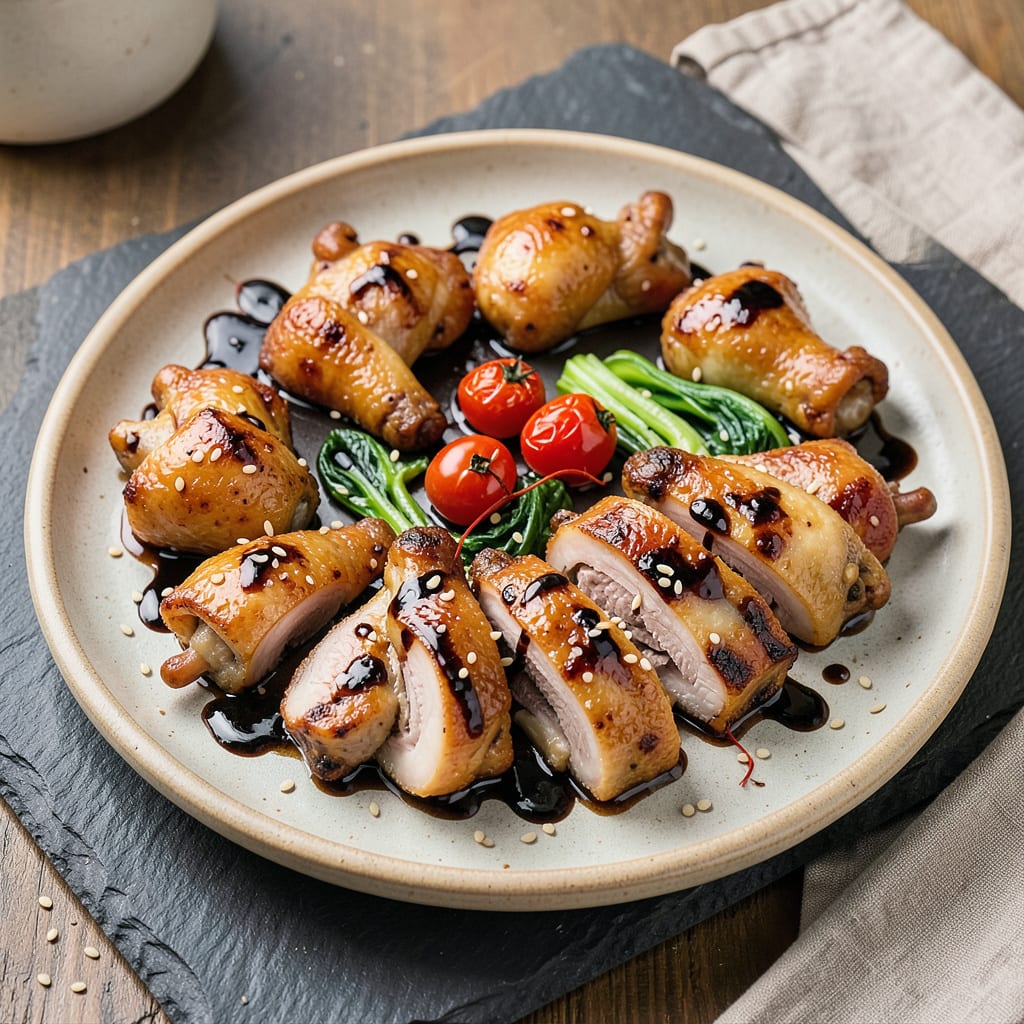
Chicken feet, skin, and connective tissue-rich cuts like necks and wings contain the highest collagen. Bones and cartilage (especially in joints) are also excellent sources when simmered for broth.
When you’re hunting for collagen-rich chicken parts, think beyond the breast or thighs. These lesser-used cuts pack a collagen punch because they’re loaded with connective tissues that break down into gelatin during cooking. 🔥 The secret lies in their structure—tendons, ligaments, and cartilage are collagen powerhouses that transform into that silky, nutrient-dense broth we all love.
I’ve found that slow-simmered chicken feet release up to 10 times more collagen than muscle meat, while crispy skin (when cooked properly) retains most of its natural collagen content. Even the often-discarded necks and wing tips become nutritional goldmines when prepared with the right techniques. ✨
💡 In This Article
- Why Chicken Feet and Skin Top the Collagen Content Chart
- Best Ways to Extract Collagen from Chicken Parts
Why Chicken Feet and Skin Top the Collagen Content Chart
Chicken feet are collagen champions because they’re packed with tendons, ligaments, and cartilage—structures made almost entirely of collagen fibers. These connective tissues contain up to 85% collagen by dry weight, compared to just 1-2% in muscle meat. When simmered, these fibers break down into gelatin through hydrolysis, creating that rich, jelly-like texture in broths.
The transformation happens at 160-180°F over 6-12 hours, which is why slow cooking is essential. 🔥
The skin tells a different collagen story. It contains two layers: the outer epidermis and the inner dermis, where collagen fibers form a dense network. Chicken skin has about 30% collagen by weight—far more than muscle tissue. When cooked properly (like crisping at 375°F), the collagen remains intact while the fat renders out.
This is why well-made cracklings retain their chewy texture—the collagen fibers haven’t broken down completely. ✨
Connective tissue-rich cuts like necks and wings outperform breasts because they contain more elastin and collagen fibers between muscle bundles. These fibers require long, moist cooking to soften—think 2-3 hours for wings versus 20 minutes for breasts. The collagen content in these areas can reach 5-7% of total protein, compared to 1-3% in lean cuts.
This difference explains why broth made from necks gels so beautifully when chilled. 💫
Bones and joints add another dimension. The cartilage at joint ends contains specialized collagen types (II and IX) that dissolve more readily during cooking. A single chicken knee joint can release 1.5-2 grams of collagen when simmered for 8+ hours.
This is why traditional bone broth recipes emphasize joint-heavy parts—they yield more gelatin per ounce than straight bones alone. ⚡
Here’s what’s fascinating about the science: Collagen’s triple-helix structure unwinds at 140°F, but full conversion to gelatin requires sustained heat. Chicken feet achieve this faster than other parts because their high collagen density creates more molecular collisions during cooking. The result? A broth that sets like Jell-O when refrigerated—a clear sign of high collagen extraction.
🌟
- Chicken feet: 85% collagen in tendons/ligaments
- Skin: 30% collagen in dermis layer
- Necks/wings: 5-7% collagen in connective tissue
- Joint cartilage: 2g collagen per joint when simmered

- Japanese Rice Porridge Recipe: Silky Congee With Umami Depth - September 25, 2026
- Rice Bagel Recipe: Chewy Pillows With a Twist - September 25, 2026
- Rice Cheela Recipe: Savory Indian Pancakes With Fresh Herbs - September 25, 2026