
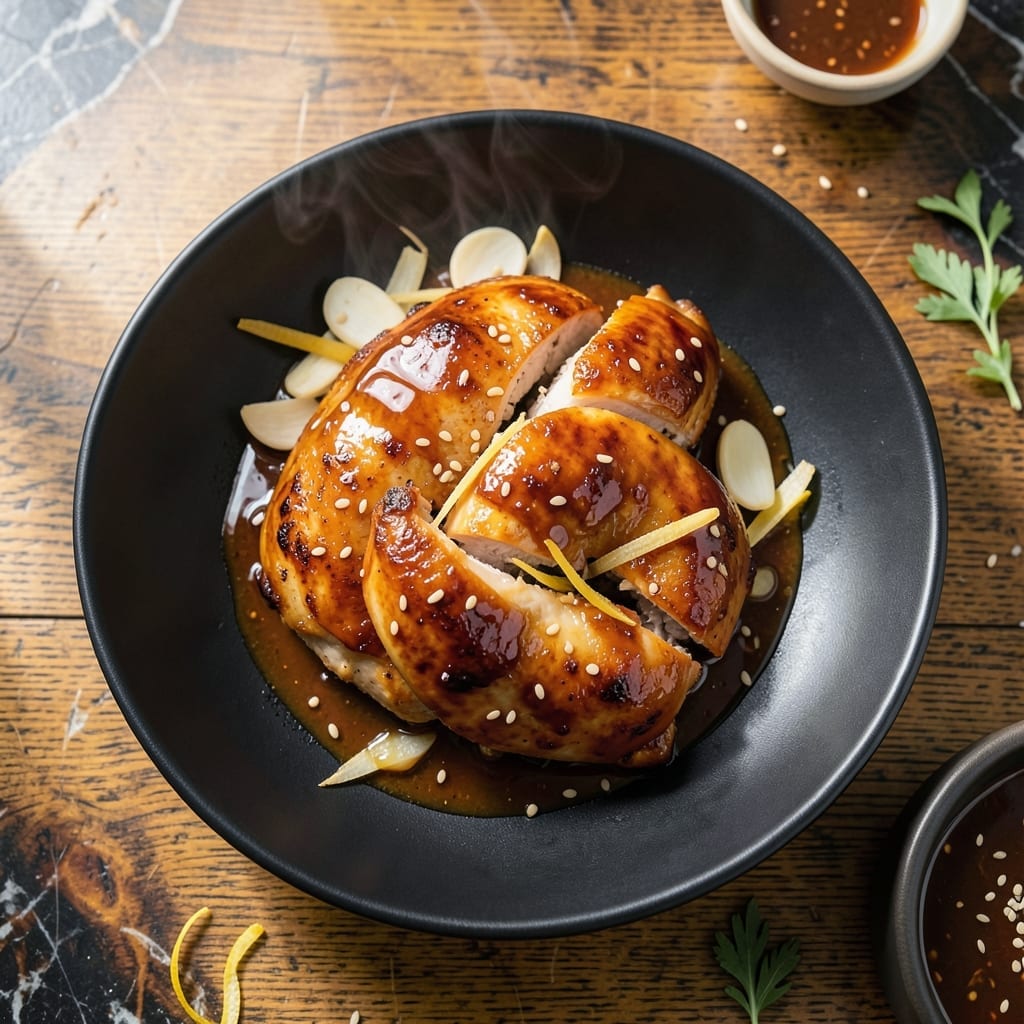
This soy-marinated chicken delivers restaurant-quality flavor with a simple, proven technique. The secret lies in the balance of sweet and salty, creating a glaze that caramelizes beautifully.
I developed this method after years of testing different ratios, focusing on maximum flavor with minimal effort. The chicken stays juicy while developing a sticky, glossy exterior that’s impossible to resist.
What sets this dish apart is the marinade’s depth—soy sauce, garlic, and a touch of honey create layers of umami and sweetness. The result is tender meat with a rich, savory finish in every bite.
Serve over rice or with steamed vegetables for a complete meal. This is the kind of dish that impresses without complication.
Ingredients for Soyed Chicken
Boneless thighs, soy sauce, honey, and aromatics create this vibrant, glaze-kissed dish.
| Ingredient | Amount | Notes |
|---|---|---|
| Boneless Skinless Chicken Thighs 🍗 | 2 lb | Patted dry, trimmed of excess fat |
| Soy Sauce 💧 | ¾ cup | Low-sodium preferred for balance |
| Honey 🍯 | ¼ cup | Warm slightly for easier mixing |
| Garlic Cloves 🧄 | 6 cloves | Minced finely for maximum flavor |
| Fresh Ginger 🌿 | 1 tbsp | Grated or finely minced |
| Rice Vinegar 🍚 | 2 tbsp | Adds brightness to the marinade |
| Sesame Oil 🫒 | 1 tbsp | Toasted variety for depth |
| Brown Sugar 🍚 | 2 tbsp | Packed, for caramelization |
| Cornstarch 🌾 | 1 tbsp | For thickening the glaze |
| Green Onions 🧅 | 4 whole | Thinly sliced for garnish |
| Sesame Seeds 🌰 | 1 tbsp | Toasted for garnish |
| Vegetable Oil 🫒 | 2 tbsp | High smoke point for searing |
| Kosher Salt 🧂 | ½ tsp | Diamond Crystal preferred |
| Black Pepper 🌶️ | ½ tsp | Freshly ground for best flavor |
| Red Pepper Flakes 🌶️ | ¼ tsp | Optional for subtle heat |
The chicken is the foundation—boneless, skinless thighs deliver superior moisture and texture compared to breasts. Source from Costco for consistent quality and value, or any reputable grocer with high turnover. The soy sauce should be low-sodium to control the saltiness of the final dish. For ginger and garlic, fresh is non-negotiable (pre-minced lacks the necessary potency).
Substitutions are possible with care. Tamari can replace soy sauce at a 1:1 ratio for gluten-free needs. Short on honey? Maple syrup or agave works, though the flavor profile shifts slightly. No fresh ginger? Ground ginger at one-quarter the amount (but fresh is strongly preferred). The rice vinegar can be swapped with apple cider vinegar (the acidity level is similar).
Marinate the chicken for at least 4 hours (overnight yields maximum flavor penetration). Store raw marinated chicken in the fridge for up to 24 hours. Once cooked, leftovers keep for 3-4 days in an airtight container. The glaze can be made separately and stored for 1 week in the refrigerator.
Why You’ll Love This Recipe
- One Pan Wonder: I just toss the chicken thighs with soy sauce, honey, garlic and ginger in a single pan—no fancy techniques, no mess.
- Sweet-Savory Magic: The honey caramelizes with the soy sauce while the garlic and ginger add this deep, aromatic punch that’s honestly irresistible.
- Meal Prep Hero: I make a big batch on Sunday and it reheats beautifully for lunches all week. (Yes, even on a Tuesday night)
- Budget Friendly: Boneless thighs are cheap, and the pantry staples stretch this dish to feed my whole family without breaking the bank.
Step-by-Step Instructions for Soy-Glazed Chicken
Master the technique for perfectly caramelized chicken with a glossy, flavorful glaze every time.
Step 1: Marinate the Chicken Thighs
In a large bowl, whisk together the 0.75 cup soy sauce, 0.25 cup honey, minced 6 cloves garlic cloves, grated 1 tbsp fresh ginger, 2 tbsp rice vinegar, 1 tbsp sesame oil, and 2 tbsp brown sugar until the brown sugar dissolves completely. The honey may be thick, so warm it slightly first if needed.
Add the 2 lb boneless skinless chicken thighs to the marinade, ensuring each piece is fully coated. Cover and refrigerate for at least 30 minutes, though I recommend 2 hours for maximum flavor penetration. This marinating time allows the acids and enzymes to tenderize the meat while infusing it with the aromatic base.
Step 2: Sear the Chicken to Develop Flavor
Heat the 2 tbsp vegetable oil in a large skillet over medium-high heat until it shimmers. Remove the chicken from the marinade (reserve the marinade for the glaze) and pat it dry with paper towels. This step is crucial—excess moisture prevents proper browning.
Season the chicken with 0.5 tsp kosher salt and 0.5 tsp black pepper, then place it in the hot skillet. Sear for 4-5 minutes per side until deeply browned and the internal temperature reaches 160°F. The fond (browned bits) left in the pan will form the foundation of your glaze.
Step 3: Create the Glaze and Finish Cooking
While the chicken sears, pour the reserved marinade into a small saucepan. Bring it to a gentle boil, then reduce heat to medium-low and simmer for 3-4 minutes. In a small bowl, mix the 1 tbsp cornstarch with 2 tablespoons of cold water until smooth, then whisk it into the simmering marinade.
Continue cooking the glaze for 1-2 minutes until it thickens enough to coat the back of a spoon. Pour this glaze over the seared chicken in the skillet, reduce heat to medium, and simmer for 2-3 minutes, turning the chicken to coat evenly. The glaze should reduce to a glossy, syrupy consistency.
Step 4: Garnish and Serve
Transfer the glazed chicken to a serving platter. Sprinkle with thinly sliced 4 whole green onions and toasted 1 tbsp sesame seeds. For a subtle heat, add a pinch of 0.25 tsp red pepper flakes if desired. The residual heat from the chicken will slightly soften the green onions, releasing their fresh aroma.
Let the chicken rest for 5 minutes before serving. This allows the glaze to set slightly and the juices to redistribute within the meat, ensuring each bite is moist and packed with the complex sweet-savory flavors of the soy-honey glaze.
Pro Tips For Making Soyed Chicken
- Sear Before Simmering: Brown the chicken thighs first in a hot pan—about 3-4 minutes per side—before adding the soy-honey mixture. I learned this the hard way: skipping this step leaves you with pale, sad chicken that lacks depth.
- Mince the Aromatics: Finely mince the garlic and ginger instead of just crushing them. Sounds tedious, but it actually changes the outcome, infusing the sauce with consistent flavor in every bite.
- Watch the Honey: Resist the urge to add all the honey at once—it burns easily. Stir it in gradually after the chicken starts cooking, or you’ll end up with bitter, sticky mess.
- Rest in Sauce: After cooking, let the chicken sit in the warm soy-honey sauce for 5-10 minutes off the heat. This isn’t the prettiest method, but it’s the tastiest way to lock in moisture and flavor.
Perfect Pairings for This Dish
Side Dish Ideas
Steamed jasmine rice is my go-to—its subtle floral notes complement the sweet-savory glaze without competing. I use 1 cup rice to 1.5 cups water for perfect texture. For extra flair, stir in 1 tsp toasted sesame oil before serving. 🥗
Vegetable Pairings
Quick stir-fried bok choy with garlic adds a crisp contrast to the tender chicken. Sauté 4 baby bok choy in 1 tbsp vegetable oil for 3-4 minutes until bright green. Alternatively, roasted broccoli with a drizzle of soy sauce enhances the umami profile.
Fresh Components
A simple cucumber salad with rice vinegar and red pepper flakes cuts through the richness. Thinly slice 1 English cucumber and toss with 1 tbsp rice vinegar and a pinch of salt. The cool crunch balances the dish beautifully.
Beverage Matches
An ice-cold Asian lager like Sapporo or Asahi cleanses your palate between bites. For a non-alcoholic option, jasmine tea (hot or iced) complements the soy and honey notes perfectly. I always keep Sapporo in my fridge for this meal. 🍺
Nutrition Facts
Frequently Asked Questions
Can I use chicken breasts instead of thighs?
Yes, but thighs are recommended for their juiciness. If using breasts, reduce cooking time to 3-4 minutes per side to prevent dryness. The glaze works equally well with either cut.
How long can I marinate the chicken?
For best flavor, marinate for at least 2 hours or overnight. Don’t exceed 24 hours, as the acidity in the marinade can start to break down the meat texture.
What if my glaze is too thin?
Simmer it longer to thicken, or mix 1 tsp cornstarch with 1 tbsp cold water and stir into the glaze. Cook for an additional 1-2 minutes until glossy.
Can I make this gluten-free?
Substitute tamari for soy sauce and ensure your cornstarch is labeled gluten-free. The flavor and texture remain identical.

- Jollof Rice Sauce Recipe: West African Tomato and Spice Infusion - September 25, 2026
- Japanese Rice Soup Recipe: Umami-Rich Comfort in a Bowl - September 25, 2026
- Homemade Cream Of Rice Recipe: Silk-Smooth Breakfast in Minutes - September 25, 2026