
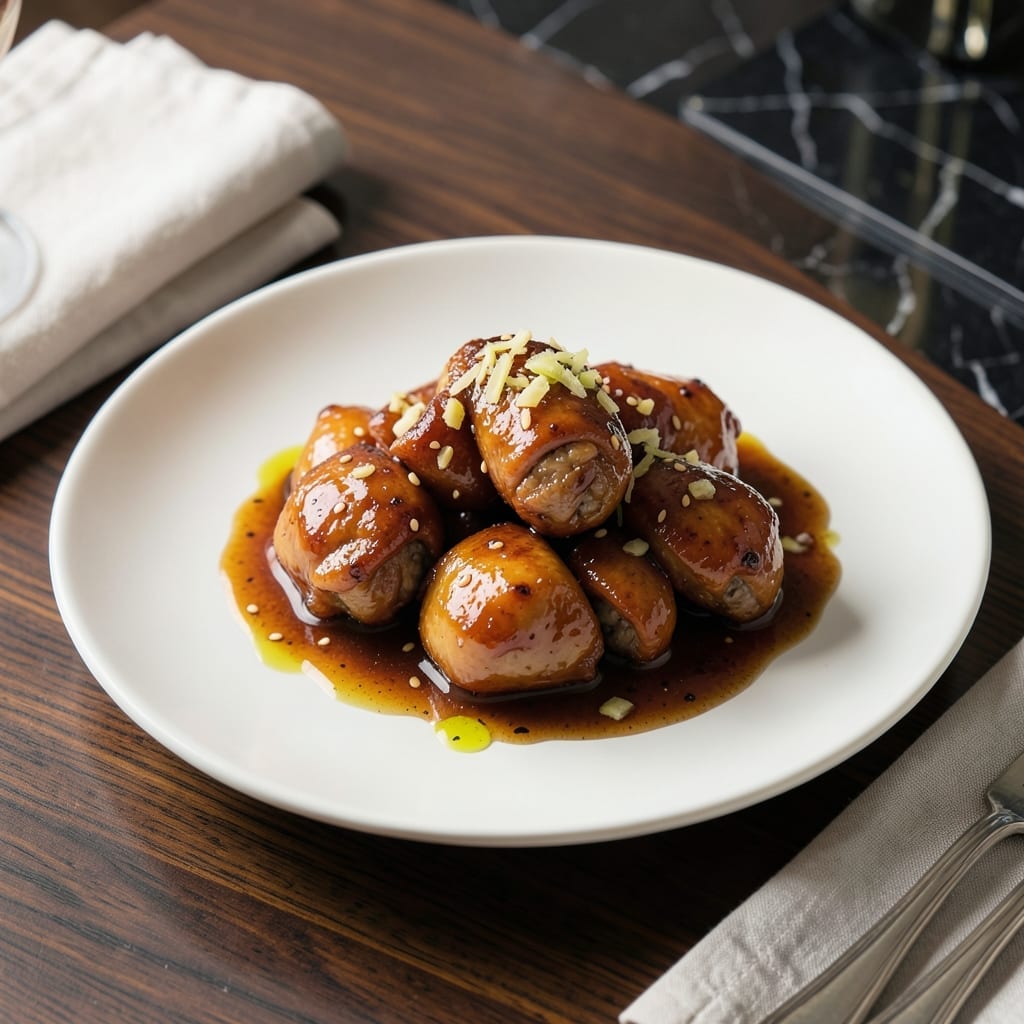
This teriyaki chicken delivers on its promise of juicy meat coated in a glossy, sweet-savory glaze that’s impossible to resist. The secret lies in a simple marinade that tenderizes while adding depth of flavor.
I’ve refined this method over time to ensure the chicken stays moist and the sauce achieves that perfect balance between sweet and tangy. A quick stovetop cook locks in the flavors without drying out the meat.
The result is tender, caramelized chicken pieces with a sauce so good, you’ll want to drizzle it over everything. Serve it with steamed rice and vegetables for a complete meal.
Ready in under 30 minutes, this dish proves that restaurant-quality results are entirely achievable at home.
Ingredients for Veri Teriyaki Chicken
Simple ingredients transform into juicy, glossy chicken with that signature sweet-savory kick everyone loves.
| Ingredient | Amount | Notes |
|---|---|---|
| Boneless Skinless Chicken Thighs 🍗 | 1 ½ lb | Cut into bite-sized pieces |
| Soy Sauce 🫒 | ½ cup | Low-sodium preferred for balance |
| Brown Sugar 🍚 | ⅓ cup | Packed for sweetness |
| Honey 🍯 | 2 tbsp | For natural sweetness |
| Fresh Ginger 🌿 | 1 tbsp | Grated for zing |
| Garlic Cloves 🧄 | 3 cloves | Minced for depth |
| Rice Vinegar 💧 | 2 tbsp | For tangy balance |
| Sesame Oil 🫒 | 1 tsp | Toasted for aroma |
| Cornstarch 🌾 | 1 tbsp | For thickening sauce |
| Water 💧 | 2 tbsp | Mixed with cornstarch |
| Vegetable Oil 🫒 | 2 tbsp | For cooking chicken |
| Green Onions 🧅 | 3 whole | Sliced for garnish |
| Sesame Seeds 🌾 | 1 tsp | Toasted for garnish |
The chicken thighs are non-negotiable—bone-in, skin-on works too, but boneless skinless cooks faster and stays juicier. Look for thighs with good marbling at Whole Foods or your local butcher. The soy sauce should be Japanese-style (like Kikkoman) for authentic flavor. Fresh ginger and garlic make all the difference—don’t even think about the powdered stuff.
Out of honey? Maple syrup or agave at a 1:1 swap works fine. No rice vinegar? Apple cider vinegar in a pinch. The cornstarch slurry is what gives the sauce that glossy finish—don’t skip it. If you’re watching sodium, use low-sodium soy sauce and add a pinch of salt to taste. The sesame oil is potent—stick to the teaspoon unless you love that intense toasted flavor.
Marinate the chicken for up to 24 hours for deeper flavor, but even 30 minutes makes a difference. Leftovers keep 4-5 days in the fridge—reheat gently to avoid drying out. The sauce thickens as it cools, so thin with a splash of water if needed before serving.
Why You’ll Love This Recipe
- One Pan Wonder: I toss everything in, let it simmer, and end up with saucy thighs—no extra pots, no stress.
- Sweet-Savory Magic: The honey and soy sauce blend creates this sticky, finger-licking glaze that clings to every bite.
- Weeknight MVP: Honestly, it’s my Tuesday lifesaver—ready before the rice cooker dings.
- Budget Stretcher: Chicken thighs stay juicy and cheap, and the sauce makes leftovers taste even better the next day.
Step-by-Step Instructions for Veri Teriyaki Chicken
Master the technique for tender, glossy chicken with a perfect sweet-savory balance every time.
Step 1: Prepare and Cook the Chicken
Cut the 1.5 lb boneless skinless chicken thighs into bite-sized pieces. Pat them dry with paper towels—this ensures even browning and prevents steaming. Season lightly with salt and pepper.
Heat 2 tbsp vegetable oil in a large skillet over medium-high heat until shimmering. Add the chicken in a single layer, working in batches if needed to avoid crowding. Cook undisturbed for 4-5 minutes per side until golden brown and cooked through. Transfer to a plate and set aside.
Step 2: Build the Teriyaki Sauce Base
In the same skillet, reduce heat to medium. Add the 3 cloves minced garlic cloves and 1 tbsp grated fresh ginger. Sauté for 30 seconds until fragrant—don’t let the garlic burn, or it will turn bitter.
Pour in the 0.5 cup soy sauce, 0.33 cup packed brown sugar, 2 tbsp honey, and 2 tbsp rice vinegar. Stir to combine and dissolve the sugar. Bring to a gentle simmer and let it cook for 3-4 minutes until slightly reduced. Add 1 tsp toasted sesame oil for depth of aroma.
Step 3: Thicken and Glaze the Chicken
In a small bowl, mix the 1 tbsp cornstarch with 2 tbsp water until smooth. Stir this slurry into the simmering sauce. Cook for 1-2 minutes until the sauce thickens enough to coat the back of a spoon—it should look glossy and slightly syrupy.
Return the cooked chicken to the skillet and toss to coat evenly in the sauce. Cook for an additional 2-3 minutes until the chicken is heated through and the sauce clings beautifully to each piece. The sauce should be thick but still pourable.
Step 4: Garnish and Serve Immediately
Transfer the chicken to a serving platter. Drizzle any remaining sauce from the pan over the top. Garnish with 3 sliced green onions and 1 tsp toasted sesame seeds for a pop of color and nutty flavor.
Serve immediately while the chicken is hot and the sauce is still glossy. The contrast of tender chicken, rich sauce, and fresh garnishes makes every bite irresistible. For best results, pair with steamed rice to soak up the extra sauce.
Pro Tips For Making Veri Teriyaki Chicken
- Sear First, Simmer Later: Get a good sear on those chicken thighs in a hot pan before adding the sauce—I learned this the hard way after my first few batches turned out pale and watery. That initial crust locks in flavor and keeps the meat from stewing.
- Grate That Ginger: Fresh ginger is non-negotiable here, but skip the mincing and grate it instead. It blends into the sauce better and I was skeptical until I tried it, but the difference in texture is noticeable.
- Skip the Overcrowding: Even if it means cooking in batches, resist the urge to cram all the chicken into the pan at once. Steaming instead of browning gives you a sad, gray teriyaki.
- Reduce the Sauce: After removing the chicken, let the teriyaki sauce simmer for 2-3 minutes to thicken slightly—this isn’t just for looks, it makes the glaze cling better to the meat. I skip this when I’m lazy, but the dish is noticeably better when I don’t.
Regional Styles of This Recipe
Hawaiian Style
In Hawaii, teriyaki chicken often features a pineapple-infused glaze that adds tropical sweetness. I add ½ cup crushed pineapple to the sauce base and reduce it slightly longer for concentration. The acidity balances the sweetness beautifully.
Japanese Original
Traditional Japanese teriyaki uses mirin instead of brown sugar. Replace the sugar with ¼ cup mirin and add 1 tbsp sake for depth. The result is a more refined, less sweet glaze that lets the soy shine through. 💛
Korean Twist
For a Korean approach, swap the rice vinegar for 1 tbsp gochujang and add 1 tsp gochugaru (Korean chili flakes). This gives the dish a subtle spicy kick while maintaining that signature glossy finish.
California Fusion
West coast versions often include fresh vegetables cooked alongside the chicken. I toss in bell pepper strips and broccoli florets during the final 3 minutes of cooking. The veggies soak up the teriyaki sauce wonderfully.
Thai Inspired
Add 1 tbsp fish sauce and 1 stalk lemongrass (bruised) to the sauce base for Thai flair. Remove the lemongrass before thickening. The fish sauce adds umami depth that pairs perfectly with the sweetness. 🔥
Quick Tip
For any variation, maintain the 2:1 ratio of soy to sweetener. This ensures the balance stays perfect regardless of regional twists. I always taste before thickening to adjust seasoning.
Nutrition Facts
Frequently Asked Questions
Can I substitute chicken breasts for thighs?
Yes, but thighs stay juicier. If using breasts, cut them into smaller pieces and reduce cooking time to 3-4 minutes per side to prevent dryness. Brining for 30 minutes helps retain moisture.
How do I make the sauce thicker?
For a glossier finish, increase the cornstarch to 1.5 tbsp mixed with 2 tbsp water. Simmer for an extra 1-2 minutes until it reaches your desired consistency. Avoid over-thickening.
Can I make this ahead of time?
Cook and store the chicken and sauce separately in the fridge for up to 4 days. Reheat gently on the stove, adding a splash of water if needed. The sauce will thicken further as it cools.
What if my sauce is too salty?
Balance it with 1 tbsp honey or 1 tsp rice vinegar. If still too strong, add 2 tbsp water and simmer for 1 minute to dilute. Taste frequently as you adjust.

- Jollof Rice Sauce Recipe: West African Tomato and Spice Infusion - September 25, 2026
- Japanese Rice Soup Recipe: Umami-Rich Comfort in a Bowl - September 25, 2026
- Homemade Cream Of Rice Recipe: Silk-Smooth Breakfast in Minutes - September 25, 2026