
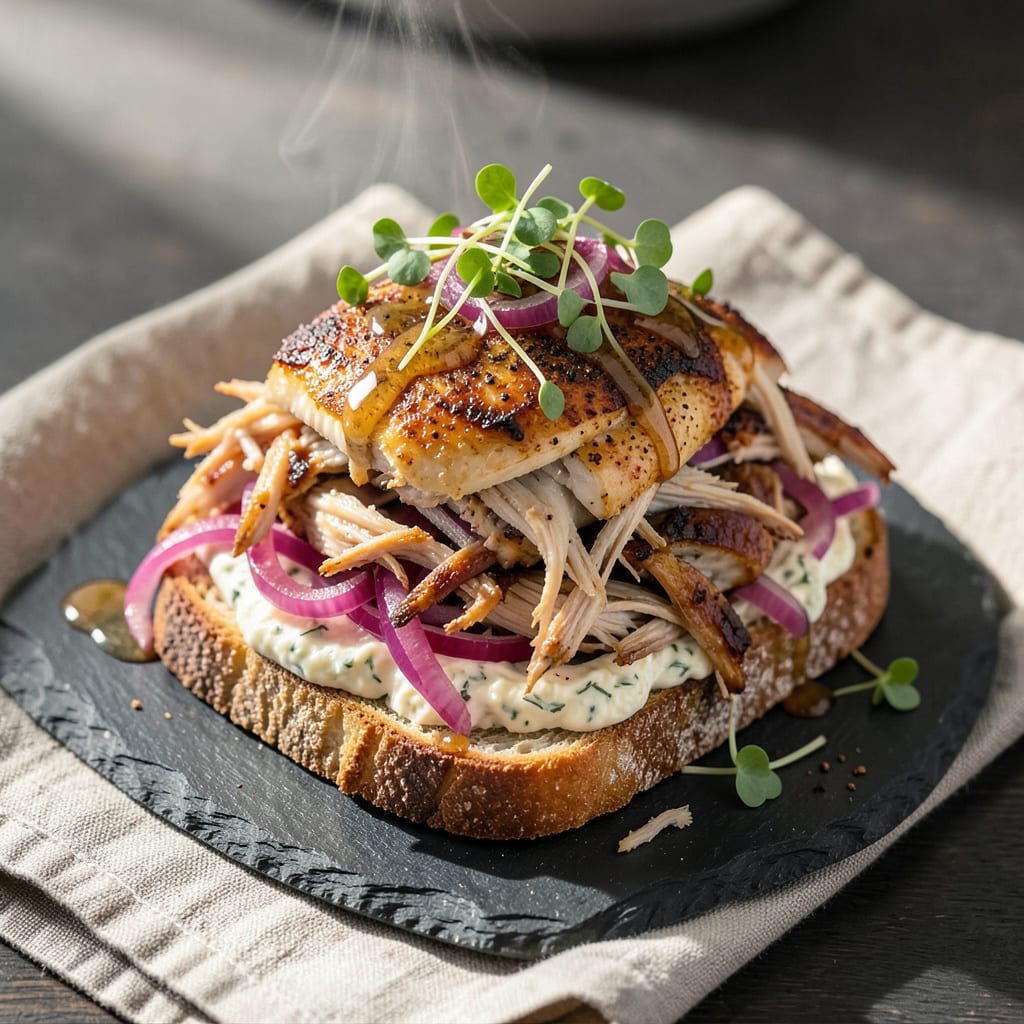
A week-old rotisserie chicken is unsafe to eat if stored at room temperature or left unrefrigerated for over 2 hours. Refrigerated, it lasts 3–4 days; frozen, up to 4 months. Always check for off smells, slimy texture, or mold before consuming.
When it comes to cooked poultry, the clock starts ticking the moment it cools down. 🔥 Bacteria like Salmonella and Campylobacter multiply rapidly between 40°F and 140°F, which is why proper storage is non-negotiable. I’ve seen too many people risk food poisoning by leaving chicken out overnight—even if it looks fine, invisible pathogens could be thriving. The USDA’s guidelines aren’t just suggestions; they’re based on decades of food safety research to prevent serious illness.
What most folks don’t realize is that store-bought rotisserie chickens often contain preservatives that extend freshness slightly, but they’re not magic. ✨ The plastic wrap they come in traps moisture, which can accelerate bacterial growth if not refrigerated promptly. My rule? If you’re not eating it within 2 hours, get it into the fridge or freezer immediately—no exceptions.
💡 In This Article
- USDA Food Safety Guidelines for Cooked Chicken Storage
- How to Safely Reheat and Repurpose Leftover Rotisserie Chicken
USDA Food Safety Guidelines for Cooked Chicken Storage
The 40°F to 140°F range is what food scientists call the “danger zone”—where bacteria like Salmonella and Campylobacter double every 20 minutes. A rotisserie chicken’s internal temperature drops into this zone as it cools, creating prime conditions for microbial growth.
The USDA’s 2-hour rule exists because that’s how long it takes for bacterial populations to reach potentially dangerous levels at room temperature. 🔥
Refrigeration slows but doesn’t stop bacterial growth. At 40°F or below, most pathogens become dormant, which is why the USDA recommends eating refrigerated cooked chicken within 3-4 days.
The plastic wrap from store-bought chickens creates a moist environment that can actually accelerate spoilage if not properly sealed—this is why transferring to an airtight container adds an extra 1-2 days of safety. Freezing at 0°F halts bacterial activity completely, preserving quality for 4 months before freezer burn becomes an issue. ❄️
Here’s what happens at the microbial level: As chicken cools, proteins break down into amino acids that bacteria consume. The moisture content (about 75% in cooked chicken) creates the perfect medium for bacterial colonies to form biofilms—protective layers that make them harder to kill.
This is why reheating doesn’t always make old chicken safe; some bacteria produce heat-stable toxins that survive cooking temperatures. 🦠
The packaging makes a bigger difference than most realize. Commercial rotisserie chickens are often wrapped in oxygen-permeable film that allows some airflow, which can dry out the meat but also slows bacterial growth compared to completely sealed containers.
For home storage, I recommend dividing the chicken into 1-pound portions in ziplock bags with all air removed—this reduces surface area exposure and cools the meat faster in the fridge. ⚡
Temperature fluctuations are the silent killer of leftovers. Every time you open the fridge door, the temperature rises slightly. Studies show that frequent temperature changes can reduce chicken’s safe storage time by up to 24 hours.
This is why I always place leftovers on the bottom shelf at the back of the fridge—it’s the coldest, most stable zone, typically maintaining 35-38°F even when the door opens. 🌡️
For those wondering about the “sniff test,” science shows our noses can only detect certain spoilage bacteria like Pseudomonas, not dangerous pathogens like Listeria. A study from Kansas State University found that 23% of spoiled-smelling chicken tested negative for harmful bacteria, while 15% of normal-smelling chicken tested positive.
The only reliable indicators are time, temperature, and proper storage methods. 🧪
The USDA’s guidelines aren’t arbitrary—they’re based on thermal death time studies showing that Salmonella requires 165°F for 15 seconds to die, while Campylobacter needs 160°F for 1 minute. This is why proper reheating is crucial, but even that won’t reverse toxin production from bacteria that grew during improper storage.
When in doubt, remember: food safety is about what you can’t see, not just what you can. 💡

- Jollof Rice Sauce Recipe: West African Tomato and Spice Infusion - September 25, 2026
- Japanese Rice Soup Recipe: Umami-Rich Comfort in a Bowl - September 25, 2026
- Homemade Cream Of Rice Recipe: Silk-Smooth Breakfast in Minutes - September 25, 2026