
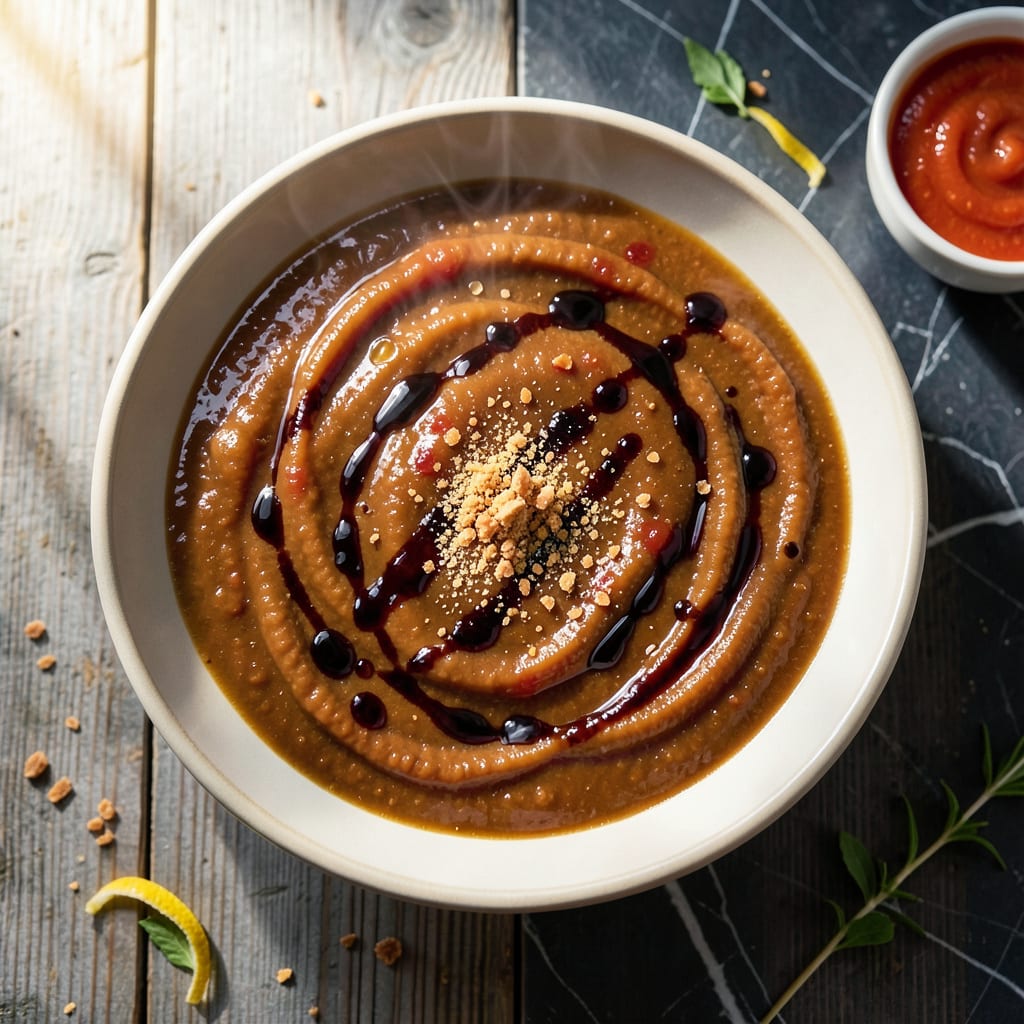
This smoky-sweet sauce transforms ordinary pizza into a restaurant-quality masterpiece. The balanced blend of tangy barbecue and rich tomato creates the ideal base for barbecue chicken pizza.
With a 5-minute prep time and simple ingredients, this foolproof recipe delivers consistent, perfect results every time. Store extras in the fridge for up to a week.
Ingredients for Barbecue Chicken Pizza Sauce
Ten simple ingredients create a smoky-sweet base that elevates any pizza night instantly.
| Ingredient | Amount | Notes |
|---|---|---|
| Barbecue Sauce 🍯 | 1 cup | Smoky, tangy variety preferred |
| Tomato Sauce 🍅 | ¾ cup | Plain, unsweetened for balance |
| Apple Cider Vinegar 🍏 | 1 tbsp | For tangy brightness |
| Brown Sugar 🍚 | 2 tbsp | Light or dark, packed |
| Worcestershire Sauce 🍶 | 1 tsp | Adds depth of flavor |
| Garlic Powder 🧄 | 1 tsp | Fresh minced works too |
| Onion Powder 🧅 | 1 tsp | Complements the garlic |
| Smoked Paprika 🌶️ | ½ tsp | Enhances smoky profile |
| Salt 🧂 | ½ tsp | Adjust to taste |
| Black Pepper 🌶️ | ¼ tsp | Freshly ground preferred |
[recipeingredientscaler]
The barbecue sauce is the foundation here. Stubb’s Original or Sweet Baby Ray’s are reliable grocery store options, but any smoky, tangy variety works. Tomato sauce should be plain and unsweetened—look for Muir Glen or Hunt’s for consistent quality. The brown sugar adds balance, so use Domino or a trusted brand. For the vinegar, Heinz apple cider vinegar is a standard choice.
No barbecue sauce? Ketchup plus liquid smoke gets you close. Out of tomato sauce? Blended canned tomatoes work in a pinch. The Worcestershire is key for depth, but soy sauce at half the amount substitutes if needed. Fresh minced garlic can replace the powder (use 3 cloves), and regular paprika works if you don’t have smoked.
This sauce keeps 1 week in an airtight container in the fridge. For longer storage, freeze in ice cube trays—perfect for quick pizza nights. Let it thaw overnight before using, and give it a good stir to reincorporate any separated spices.
Why You’ll Love This Recipe
- 5-Minute Mix: I just dump everything in one bowl—barbecue sauce, tomato sauce, a splash of vinegar—and stir. Honestly, it’s harder to decide what to watch on Netflix than to make this.
- Smoky Sweet Kick: The brown sugar caramelizes while the Worcestershire adds that deep umami punch. Between us, I’ve caught my husband sneaking tastes straight from the pot.
- Freezer’s Best Friend: I double the batch, freeze half, and pull it out for impromptu pizza nights. It’s my secret weapon for last-minute dinner wins.
- Pocket-Change Flavor: All the ingredients are pantry staples I already have. I’ll be real: it costs less than a takeout pizza and tastes way better.
Step-by-Step Instructions for Barbecue Chicken Pizza Sauce
This method ensures a balanced, restaurant-quality sauce with every batch.
Step 1: Combine the Base Components
In a medium saucepan, whisk together the 1 cup Barbecue Sauce and 0.75 cup Tomato Sauce until fully combined. I prefer using a smoky, tangy barbecue sauce as it establishes the foundational flavor profile that defines this specialty sauce.
Place the saucepan over medium heat and warm the mixture gently. This initial heating helps blend the two sauces seamlessly while preparing them to absorb the additional seasonings. Stir occasionally to prevent any sticking at the bottom.
Step 2: Incorporate the Sweet and Tangy Elements
Add the 2 tbsp Brown Sugar, 1 tbsp Apple Cider Vinegar, and 1 tsp Worcestershire Sauce to the warming mixture. The brown sugar will dissolve as it heats, while the vinegar and Worcestershire add the necessary brightness and depth.
Stir constantly for 2-3 minutes until the brown sugar fully dissolves and the mixture begins to simmer lightly. You’ll notice the sauce taking on a glossy sheen as the ingredients meld together, signaling that the flavors are starting to develop.
Step 3: Season with Spices and Simmer
Reduce heat to low and stir in the 1 tsp Garlic Powder, 1 tsp Onion Powder, 0.5 tsp Smoked Paprika, 0.5 tsp Salt, and 0.25 tsp Black Pepper. These spices create the complex, aromatic base that elevates the sauce beyond ordinary.
Allow the sauce to simmer gently for 8-10 minutes, stirring occasionally. The simmering process lets the flavors marry completely while the sauce thickens slightly to the ideal consistency for pizza application. The sauce should coat the back of a spoon when it’s ready.
Step 4: Adjust and Cool for Optimal Flavor
Remove the sauce from heat and let it cool to room temperature. As it cools, the flavors will continue to develop and intensify. This step is crucial—the sauce will thicken further as it cools, reaching the perfect spreadable consistency for pizza.
Taste and adjust seasoning if needed, though the measured ingredients typically create a perfectly balanced flavor profile. The sauce should deliver a harmonious blend of smoky, sweet, and tangy notes that complement chicken and cheese beautifully on your pizza.
Pro Tips For Making Barbecue Chicken Pizza Sauce
- Simmer Low and Slow: Cook the sauce on medium-low heat for 10-12 minutes, stirring often—this lets the brown sugar caramelize without burning while the vinegar mellows out.
- Balance the Sweetness: If your barbecue sauce is already sweet, cut the brown sugar by half; I learned this the hard way after making a cloyingly sweet batch that overpowered the pizza.
- Skip the Over-Reduction: Reduce it just until it coats the back of a spoon—any further and it’ll turn into a thick, sticky paste that’s hard to spread on the dough.
- Add Worcestershire Last: Stir in the Worcestershire sauce at the very end of cooking; its tangy depth shines best when not boiled down too much, and it prevents any bitterness from developing.
Essential Equipment for This Recipe
Saucepan Essentials
I always reach for my 2-quart stainless steel saucepan from All-Clad—its even heat distribution prevents hot spots that can burn sugar. A heavy-bottomed pan is non-negotiable for this recipe. Avoid nonstick for sauce-making; you want the fond to develop.
Whisking Tool
A balloon whisk is my go-to for blending the sauces smoothly. The curved shape helps incorporate air while preventing lumps. I keep a 10-inch whisk from OXO in my saucepan drawer specifically for tasks like this.
Measuring Accurately
Precision matters with sticky ingredients like brown sugar. I use stainless steel measuring spoons from Cuisinox—they’re durable and easy to clean. For liquids, a Pyrex 1-cup measure lets me see exact volumes at eye level. 🌡️
Simmering Success
A silicone spatula is perfect for stirring during simmering—it scrapes the bottom without scratching. I prefer the one-piece design from DI ORO that won’t melt or warp. The flat edge gets into pan corners beautifully.
Cooling Setup
Transfer your finished sauce to a glass or stainless bowl for cooling. I use a wide, shallow bowl to maximize surface area, speeding up the process. A wire cooling rack underneath prevents water from pooling underneath.
Storage Solutions
For fridge storage, 16-ounce mason jars work perfectly. For freezing, I use silicone ice cube trays from SiliconeZone—each cube holds about 1 oz, ideal for single-serving portions. 💡
Nutrition Facts
Frequently Asked Questions
Can I use store-bought barbecue sauce?
A smoky, tangy variety like Stubb’s or Sweet Baby Ray’s works perfectly. Just reduce added sugar if your sauce is already sweet.
How long does this sauce keep?
It stays fresh in the fridge for up to 1 week in an airtight container. For longer storage, freeze for up to 3 months.
Why add tomato sauce to barbecue sauce?
Tomato sauce balances the sweetness and adds body, creating a thicker base that clings better to pizza dough. It also mellows the smokiness.
Can I make this spicier?
Yes! Add 1/4 tsp cayenne or a dash of hot sauce. For heat without changing flavor, red pepper flakes work well.

- Jollof Rice Sauce Recipe: West African Tomato and Spice Infusion - September 25, 2026
- Japanese Rice Soup Recipe: Umami-Rich Comfort in a Bowl - September 25, 2026
- Homemade Cream Of Rice Recipe: Silk-Smooth Breakfast in Minutes - September 25, 2026