
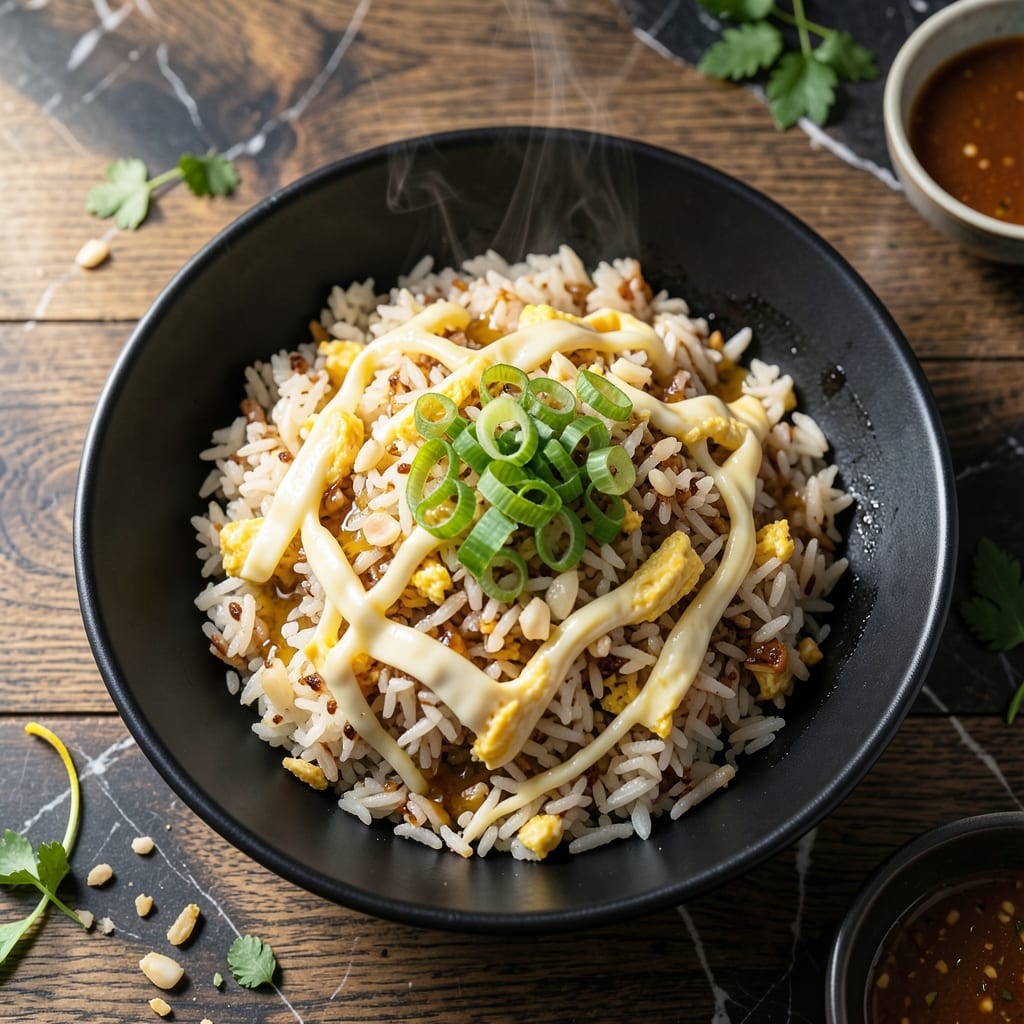
I’ve spent years perfecting fried rice to achieve that elusive wok-hei—the smoky, charred depth that defines the best versions. This method delivers restaurant-quality results at home with simple techniques and everyday ingredients.
The key is high heat and constant motion, allowing each grain of rice to develop a slight crispness while absorbing layers of umami. Scrambled eggs, fresh vegetables, and a touch of soy sauce create a balanced, savory dish that’s anything but ordinary.
What sets this apart is the texture: tender yet slightly chewy rice with caramelized edges, soft egg ribbons, and a glossy sheen from the sauce. It’s the kind of fried rice that makes takeout seem unnecessary.
Ready in 20 minutes, this dish transforms leftovers into something extraordinary. Here’s how to make it right every time.
Ingredients for Best Fried Rice Recipe Ever
Restaurant-quality fried rice starts with cold rice and a handful of pantry staples you already have.
| Ingredient | Amount | Notes |
|---|---|---|
| Day-Old Cooked White Rice 🍚 | 4 cups | Cold, preferably overnight, long-grain |
| Large Eggs 🥚 | 3 whole | Beaten lightly for ribbons |
| Peanut Oil 🫒 | 3 tbsp | High smoke point essential |
| Garlic Cloves 🧄 | 3 cloves | Minced finely for even distribution |
| Fresh Ginger Root 🌿 | 1 tbsp | Finely grated, peeled first |
| Green Onions 🧅 | 4 whole | Thinly sliced, white and green parts separated |
| Carrots 🥕 | 1 whole | Small dice, about 1/2 cup |
| Frozen Peas 🌱 | ¾ cup | Thawed under running water |
| Light Soy Sauce 💧 | 3 tbsp | Low-sodium preferred for control |
| Dark Soy Sauce 💧 | 1 tbsp | For deeper color and richness |
| Sesame Oil 🫒 | 1 tsp | Toasted variety for finishing |
| Kosher Salt 🧂 | ½ tsp | Adjust to taste at end |
| White Pepper 🌶️ | ¼ tsp | Freshly ground for authenticity |
| Granulated Sugar 🍚 | ½ tsp | Balances saltiness in sauce |
The rice must be day-old and cold—fresh rice turns to mush under high heat. Jasmine or long-grain white deliver the ideal texture. For authentic wok-hei, use peanut oil; its high smoke point prevents burning at the crucial charring stage. Most Asian markets carry both light and dark soy sauces, but Kikkoman works in a pinch for the light variety. The ginger and garlic should be fresh—no pre-minced jars here.
Out of carrots? Bell peppers or zucchini add color and crunch. No green onions? Shallots at half the quantity work well. For a vegetarian version, swap the eggs for cubed firm tofu. The sesame oil is essential for finishing—Kadoya brand is widely available and reliable. If you must use regular soy sauce, reduce the total amount by one-third to avoid over-salting.
Cooked rice keeps in the fridge for up to 5 days, perfect for planning ahead. The finished dish holds well for 3-4 days refrigerated, though it’s best eaten fresh. Freezing isn’t recommended—rice texture suffers. Always bring rice to room temperature before frying for even cooking.
Why You’ll Love This Recipe
- One Pan Wonder: I use the same skillet for everything—rice, eggs, garlic, ginger—then serve straight from it.
- Garlic-Ginger Magic: The peanut oil carries the aroma of fresh ginger and garlic into every bite.
- Weeknight Hero: Honestly, it’s my go-to for busy evenings when I need dinner fast.
- Leftover Winner: Day-old rice actually works better, so I always make extra just for this.
Step-by-Step Instructions for Wok-Charred Umami Fried Rice
Master the wok technique and achieve restaurant-quality texture with these precise, professional steps.
Step 1: Prepare and Scramble the Eggs
Beat the 3 whole Large Eggs lightly in a bowl until the yolks and whites are just combined. I prefer a fork for this—it gives you better control than a whisk for achieving those perfect ribbons. Heat 1 tablespoon of the 3 tbsp Peanut Oil in your wok over medium-high heat until it shimmers.
Pour in the beaten eggs and let them sit undisturbed for 10 seconds until the edges begin to set. Using a spatula, gently push the eggs from one side to the other, creating soft curds. Cook for another 20-30 seconds until just set but still slightly runny. Transfer to a plate and set aside—the eggs will finish cooking when added back to the wok later.
Step 2: Stir-Fry Aromatics and Vegetables
Increase the heat to high and add the remaining 2 tbsp Peanut Oil to the wok. When the oil is nearly smoking, add the minced 3 cloves Garlic Cloves and grated 1 tbsp Fresh Ginger Root. Stir-fry for 15-20 seconds until fragrant—don’t let the garlic burn, as it will turn bitter.
Immediately add the diced 1 whole Carrots and stir-fry for 1 minute until slightly softened. Add the thawed 0.75 cup Frozen Peas and the white parts of the 4 whole Green Onions, cooking for another 1 minute until the vegetables are tender-crisp. The carrots should retain a slight bite, and the peas should be bright green.
Step 3: Combine Rice and Build Flavor
Add the 4 cups Day-Old Cooked White Rice to the wok, breaking up any clumps with your spatula. Press the rice into the wok and let it sit undisturbed for 20-30 seconds to develop a slight crust—this is where the “wok char” happens. Stir-fry for 2 minutes until the rice is hot and slightly toasted.
Drizzle the 3 tbsp Light Soy Sauce and 1 tbsp Dark Soy Sauce evenly over the rice. Add the 0.5 tsp Granulated Sugar, 0.5 tsp Kosher Salt, and 0.25 tsp White Pepper. Toss everything together vigorously for 1-2 minutes until the rice is evenly coated and the color deepens to a rich caramel hue.
Step 4: Finish with Eggs and Final Touches
Return the scrambled eggs to the wok, breaking them into smaller pieces as you incorporate them into the rice. Drizzle the 1 tsp Sesame Oil around the edges of the wok—this adds a nutty aroma and glossy finish. Stir-fry for another 1 minute until everything is well combined and heated through.
Remove from heat and garnish with the green parts of the 4 whole Green Onions. The rice should have distinct wok hei (breath of the wok) aroma, with each grain separate yet coated in the umami-rich sauce. The eggs should be tender ribbons, and the vegetables should retain their vibrant color and slight crunch. Serve immediately.
Pro Tips For Making Best Fried Rice Recipe Ever
- Crank the Heat: Peanut oil smokes at high temps—use that. Get your wok or pan screaming hot before the rice hits, or you’ll end up with sad, soggy grains instead of that coveted sear.
- Dry the Rice: Day-old rice is non-negotiable, but give it an extra 10 minutes spread on a tray in the fridge to lose any lingering moisture. I learned this the hard way after too many batches turned mushy.
- Beat the Eggs First: Scramble your eggs in a bowl with a pinch of salt before they hit the pan—sounds basic, but it makes a real difference in getting those soft, even curds instead of rubbery chunks.
- Grate the Ginger: Skip the mincing and use a microplane for the ginger. It melts into the oil, coating every grain of rice with flavor instead of leaving chewy bits behind.
Regional Styles of This Recipe
Chinese Cantonese Style
This is the classic approach with light and dark soy sauces for balanced color and umami. Cantonese fried rice often includes char siu (Chinese BBQ pork) and shrimp for protein, but the version we’re making keeps it simple with eggs and vegetables. The key is high heat and constant tossing to achieve that signature wok-hei.
Thai Basil Variation
Thai-style fried rice uses jasmine rice and includes Thai basil for a fragrant, slightly peppery note. I add 1 tbsp fish sauce along with the soy sauces and finish with lime wedges for brightness. The basil should be added at the very end to preserve its fresh flavor. 🌿
Korean Kimchi Style
For a spicy kick, Korean fried rice incorporates 1 cup chopped kimchi and its juices. I also add 1 tbsp gochujang for depth and a sprinkle of toasted sesame seeds for crunch. The kimchi’s tang pairs perfectly with the savory rice, creating a complex flavor profile.
Indonesian Nasi Goreng
Indonesian fried rice, or nasi goreng, uses sweet soy sauce (kecap manis) for its signature caramelized flavor. I add 1 tbsp kecap manis along with 1 tsp shrimp paste for authenticity. The dish is typically garnished with a fried egg on top. 💛
American Diner Style
American diner fried rice often includes diced ham, frozen mixed vegetables, and is cooked in vegetable oil instead of peanut oil. It’s a great way to use up leftovers. I like to add 1 tsp Worcestershire sauce for extra depth.
Vegetarian Buddha Bowl
For a meat-free version, I swap the eggs for cubed tofu and add bell peppers and broccoli florets. The tofu should be pressed and pan-fried first for texture. Finish with a sprinkle of toasted cashews for crunch.
Nutrition Facts
Frequently Asked Questions
Why does the rice need to be day-old?
Day-old rice is drier, preventing mushiness during high-heat cooking. Fresh rice contains too much moisture and will steam rather than fry, ruining the texture.
Can I use a regular pan instead of a wok?
A wok is ideal, but a large, deep skillet works too. Ensure it’s very hot and use high heat to mimic wok hei. You may need to cook in batches.
How do I get that smoky wok flavor at home?
Use peanut oil and cook over high heat, letting the rice sit briefly to char. Stir-fry constantly for even cooking and that signature aroma.
What if my rice turns out soggy?
Soggy rice usually means too much moisture or low heat. Always use cold rice, cook in small batches, and avoid overcrowding the pan.

- Jollof Rice Sauce Recipe: West African Tomato and Spice Infusion - September 25, 2026
- Japanese Rice Soup Recipe: Umami-Rich Comfort in a Bowl - September 25, 2026
- Homemade Cream Of Rice Recipe: Silk-Smooth Breakfast in Minutes - September 25, 2026