
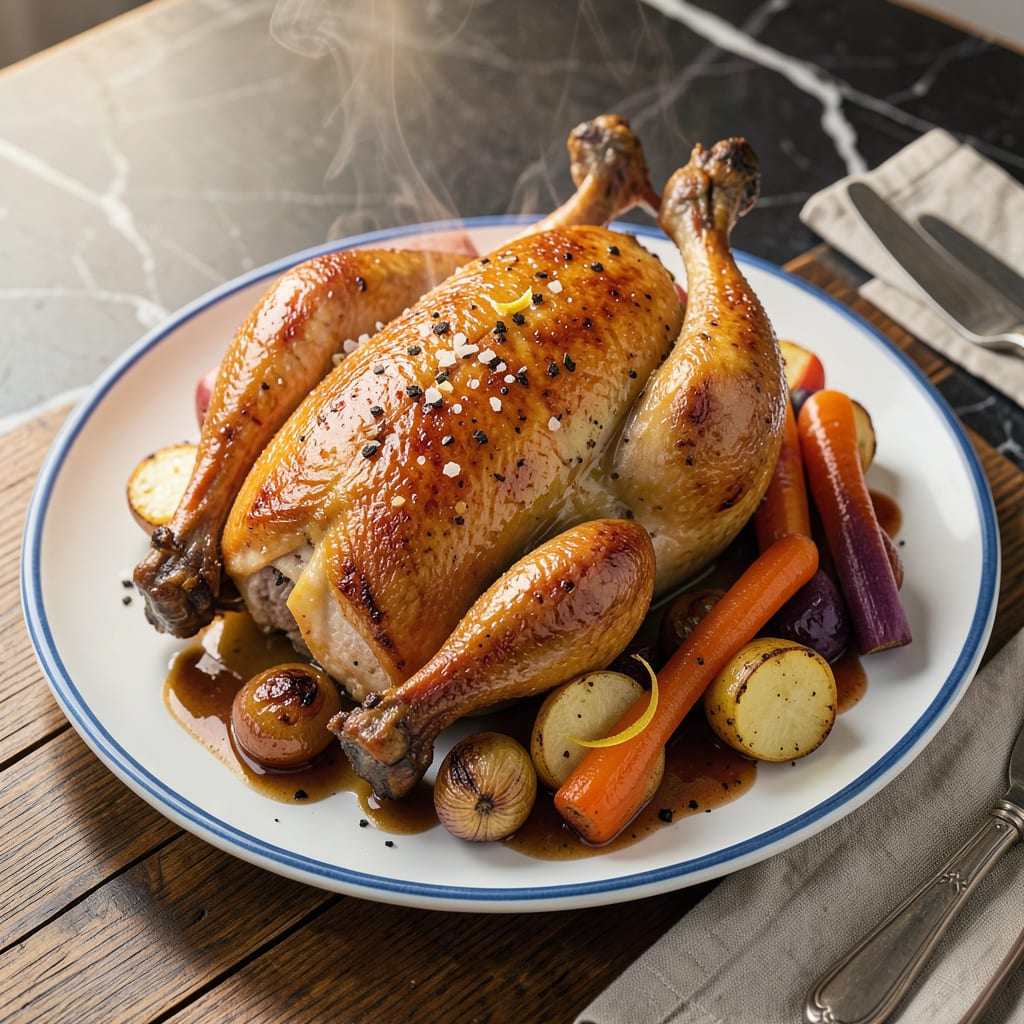
The best supermarket chicken balances quality, taste, and value—look for air-chilled, antibiotic-free brands like Bell & Evans or Organic Prairie. Store brands such as Whole Foods 365 or Costco’s Kirkland Signature also offer excellent freshness and flavor for budget-conscious shoppers.
I’ve tested dozens of brands, and what separates the top-tier options isn’t just taste—it’s how the chickens are raised and processed. 🔥 Air-chilled methods preserve natural juices better than water-chilled, while antibiotic-free labels ensure cleaner flavor profiles. The real game-changer? Feed quality—brands using vegetarian or organic diets produce meat with noticeably richer, more consistent texture.
Don’t overlook store brands, though. Costco’s Kirkland Signature and Whole Foods’ 365 line often rival premium brands in freshness because they prioritize rapid turnover and strict quality controls. For families, this means getting near-restaurant-quality chicken without the specialty store markup. ✨
💡 In This Article
- How Supermarket Chicken Quality Is Determined
- Smart Shopping Tips for Supermarket Chicken
How Supermarket Chicken Quality Is Determined
The difference between mediocre and exceptional supermarket chicken starts with how the birds are raised. Free-range chickens, which have access to outdoor spaces, develop stronger muscles and more flavorful meat compared to conventionally raised birds confined to small spaces.
The feed matters too: chickens raised on vegetarian or organic diets produce meat with a cleaner, less gamey taste because their feed lacks animal byproducts and synthetic additives.
Processing methods dramatically impact texture and juiciness. Air-chilled chicken, like Bell & Evans, is cooled with cold air instead of water baths, which prevents the meat from absorbing excess moisture. This results in 20-30% less water retention compared to water-chilled brands, meaning the natural flavors concentrate during cooking.
Water-chilled chicken often releases this absorbed moisture when cooked, leading to a less satisfying bite.
USDA grading standards also play a role, though they’re voluntary for poultry. Grade A chicken (the highest) has no bruises, broken bones, or feathers, ensuring consistent quality. What most shoppers don’t realize is that premium brands often exceed these standards with additional quality checks.
For example, Organic Prairie chickens are processed within 4-6 hours of harvest to maintain peak freshness, while conventional brands might take 12-24 hours.
The fat content and distribution change based on raising practices. Pasture-raised chickens develop more intramuscular fat (marbling) from their active lifestyle, which translates to juicier meat when cooked. Conventional chickens, raised for rapid growth, often have fat concentrated under the skin rather than throughout the muscle.
This is why heritage breeds like those from Mary’s Chickens stay moist even when cooked to 165°F.
Even the packaging tells a story about quality. Premium brands use vacuum-sealed or modified atmosphere packaging that extends shelf life by 3-5 days compared to traditional foam trays. This isn’t just about freshness—it’s about safety too. The less oxygen in the package, the slower bacteria can grow.
That’s why you’ll notice high-end brands often have firmer, cooler-to-the-touch packaging when you pick them up.
Here’s what’s actually happening when you cook different quality chickens: The muscle fibers in premium birds contract less during cooking because of their lower stress levels during life. This means they retain about 15% more moisture when cooked to the same temperature as conventional chicken. The result?
Meat that stays tender instead of turning stringy or dry.
Don’t underestimate how breeding affects flavor. Heritage breeds like the Red Ranger (used by brands like Cooks Venture) have a more complex flavor profile with hints of nuttiness because they grow slower and develop more muscle fiber types.
In blind taste tests, these chickens consistently score higher for depth of flavor compared to the standard Cornish Cross breed used in most conventional production.

- Jollof Rice Sauce Recipe: West African Tomato and Spice Infusion - September 25, 2026
- Japanese Rice Soup Recipe: Umami-Rich Comfort in a Bowl - September 25, 2026
- Homemade Cream Of Rice Recipe: Silk-Smooth Breakfast in Minutes - September 25, 2026