
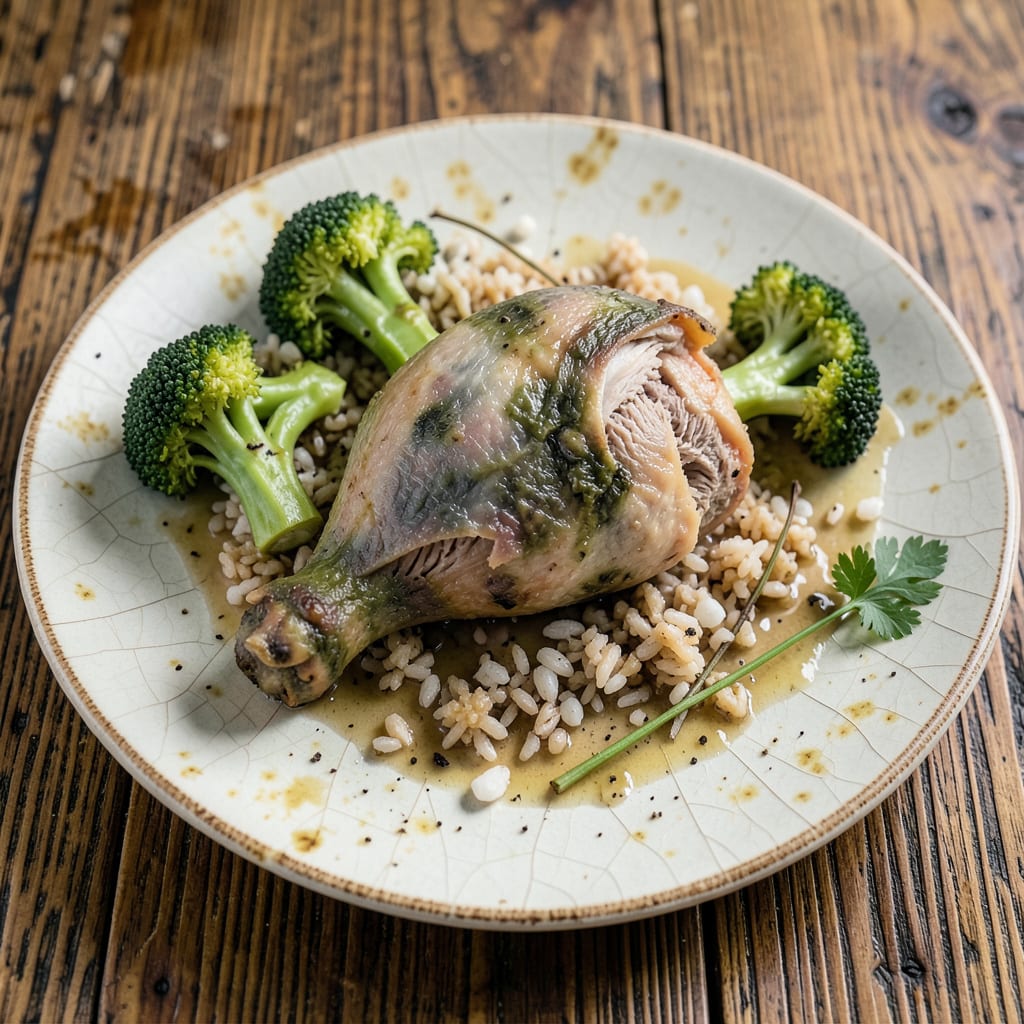
A rotten egg or fart-like smell in chicken usually means bacterial spoilage from sulfur compounds. If raw chicken smells strongly like this, it’s unsafe to eat—discard it immediately. Cooked chicken with this odor may also be spoiled or improperly stored.
This unpleasant odor is your nose detecting hydrogen sulfide gas, a byproduct of bacteria breaking down proteins in the meat. 🔥 I’ve seen cases where even slightly off-smelling chicken can harbor dangerous pathogens like Salmonella, which thrive when poultry isn’t stored at 40°F or below. The smell often intensifies if the chicken was left at room temperature for too long or stored in packaging that wasn’t properly sealed.
What’s tricky is that cooking doesn’t always eliminate the risk—some bacteria produce heat-stable toxins that remain even after thorough cooking. ✨ That’s why I always recommend checking the use-by date, examining the meat’s color (healthy chicken should be pinkish, not gray or green), and trusting your instincts if something seems off.
💡 In This Article
- Why Spoiled Chicken Smells Like Rotten Eggs or Farts
- How to Prevent and Handle Foul-Smelling Chicken Safely
Why Spoiled Chicken Smells Like Rotten Eggs or Farts
The fart-like odor you’re detecting is hydrogen sulfide gas, produced when bacteria like Salmonella or E. coli break down proteins in chicken. These microbes thrive when poultry isn’t stored at safe temperatures (40°F or below) and metabolize amino acids containing sulfur. The result? A pungent, rotten-egg smell that’s impossible to miss. 🔥
What’s happening at the microscopic level is fascinating—and alarming. As bacteria multiply, they release enzymes that decompose chicken proteins into smaller compounds. The sulfur-containing amino acids (like cysteine and methionine) are particularly problematic, as their breakdown produces volatile sulfur compounds.
A single gram of spoiled chicken can contain millions of bacteria, each contributing to that overwhelming odor.
Temperature abuse accelerates this process dramatically. Chicken left at room temperature for just 2 hours can see bacterial populations double every 20 minutes in the “danger zone” (40-140°F). The smell intensifies because more bacteria means more protein breakdown and more hydrogen sulfide production.
Even refrigerated chicken isn’t safe indefinitely—after about 3-4 days, these processes become noticeable. ✨
The packaging matters too. Chicken stored in non-airtight containers or original packaging that’s been compromised allows oxygen to interact with the meat, creating an ideal environment for aerobic bacteria.
These microbes produce different sulfur compounds than anaerobic bacteria, which is why you might notice the smell changes slightly over time—sometimes more “farty,” sometimes more “rotten egg.”
What’s particularly concerning is that some bacteria produce heat-stable toxins. This means even if you cook the chicken to a safe internal temperature of 165°F, the toxins remain and can still make you sick. The smell is your first warning sign, but it’s not the only indicator of danger.
Always check for slimy texture or grayish color as additional red flags. 💫
Interestingly, this sulfur production isn’t unique to chicken—it happens in all proteins. But poultry’s relatively high sulfur amino acid content and typical storage conditions make it particularly prone to developing this distinctive odor. The smell becomes more concentrated in ground chicken because the increased surface area gives bacteria more access to the meat’s proteins.

- Jollof Rice Sauce Recipe: West African Tomato and Spice Infusion - September 25, 2026
- Japanese Rice Soup Recipe: Umami-Rich Comfort in a Bowl - September 25, 2026
- Homemade Cream Of Rice Recipe: Silk-Smooth Breakfast in Minutes - September 25, 2026