
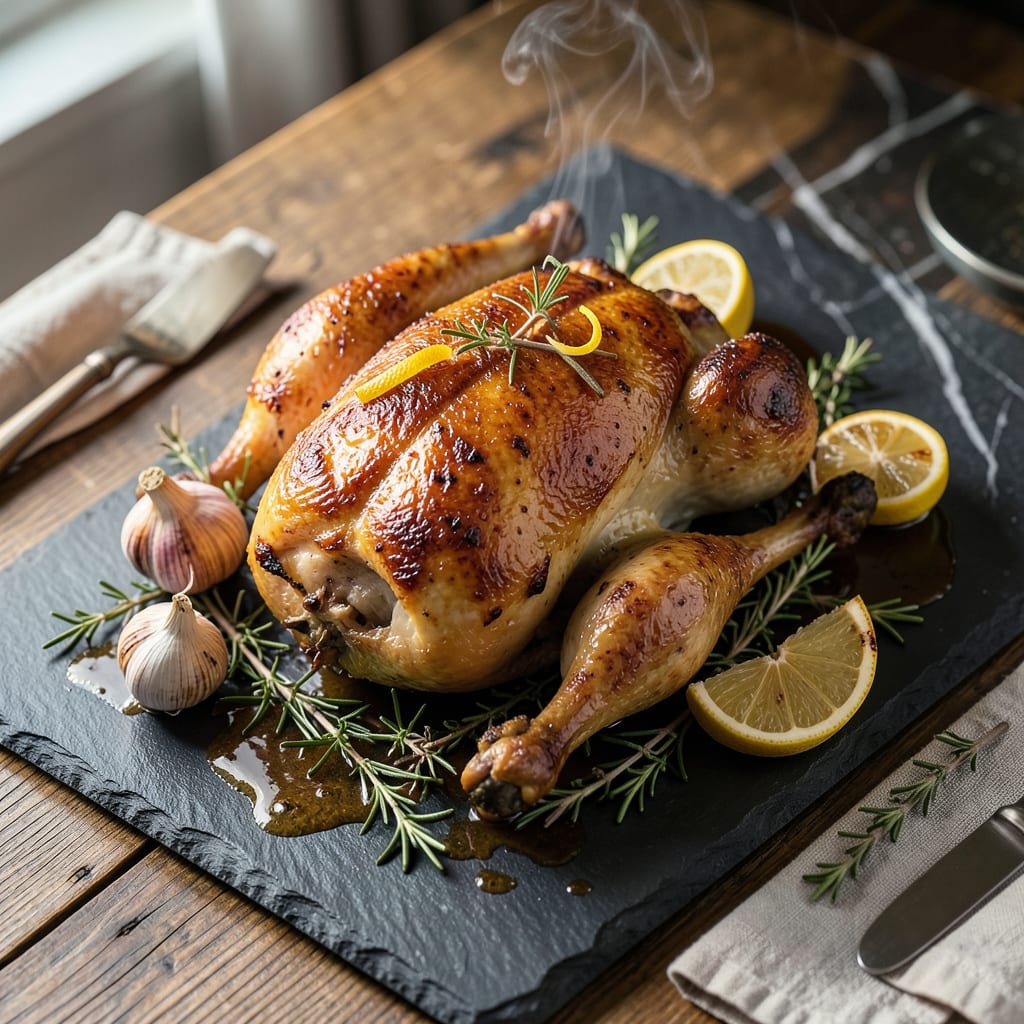
Fresh chicken should have little to no noticeable odor—just a faint, neutral meaty scent. Any strong, sour, or ammonia-like smell means it’s spoiled and unsafe to eat.
This is one of those kitchen moments where your nose is your best safety tool. 🔥 The subtle, clean aroma of fresh chicken comes from its natural proteins, but when bacteria start breaking down those proteins, they release foul-smelling compounds like ammonia and sulfur. I always tell people to trust their instincts—if the smell makes you hesitate, that’s your body’s way of warning you. Even if the chicken looks fine, an off odor means harmful pathogens like Salmonella or Campylobacter could be present, and those aren’t worth risking.
💡 In This Article
- How to Identify Fresh vs Spoiled Chicken by Smell
- Safe Handling and Storage Tips to Prevent Chicken Spoilage
How to Identify Fresh vs Spoiled Chicken by Smell
The science behind chicken odor comes down to bacterial activity and protein breakdown. Fresh chicken contains minimal bacteria, so its scent is subtle—think of a clean, slightly metallic aroma that disappears quickly. As bacteria like Pseudomonas and Lactobacillus multiply, they metabolize proteins into volatile compounds, creating that unmistakable “off” smell.
This process accelerates at temperatures above 40°F, which is why refrigeration is so critical. 🔥
Ammonia-like odors signal advanced spoilage, caused by bacteria converting amino acids into trimethylamine and other nitrogen compounds. A sour smell indicates lactic acid fermentation, while a rotten-egg stench comes from hydrogen sulfide production.
I’ve noticed that vacuum-sealed chicken often develops a slightly stronger odor when first opened due to oxygen deprivation—this usually dissipates within 10-15 minutes if the chicken is still fresh. ✨
Texture changes accompany odor progression. Fresh chicken feels slightly tacky but not slimy—this is from natural moisture. As spoilage begins, proteins break down into a slimy film that’s visibly shiny under light. The flesh may also turn grayish or develop greenish spots from pseudomonas bacteria colonies.
Pro tip: Press your finger lightly into the meat—fresh chicken springs back, while spoiled chicken leaves an indentation. 💫
Temperature abuse creates the perfect storm for spoilage. Chicken left at room temperature for more than 2 hours (or 1 hour above 90°F) enters the “danger zone” where bacteria double every 20 minutes.
This is why that “just thawed on the counter” chicken often smells questionable—it’s not the thawing itself, but the prolonged time in the temperature danger zone that causes the problem. ⚡
Here’s what most people miss: even properly refrigerated chicken develops more odor after 3-4 days due to enzymatic activity. The USDA recommends using fresh chicken within 1-2 days of purchase for optimal quality.
Freezing pauses bacterial growth but doesn’t kill existing bacteria—this is why thawed chicken sometimes smells stronger than fresh, as damaged cell walls release more aromatic compounds during defrosting. 🌟
For a quick field test, try the “sniff and touch” method:
- Step 1: Smell through the packaging first—strong odors penetrating plastic are a red flag
- Step 2: Open and sniff at arm’s length—fresh chicken shouldn’t make you recoil
- Step 3: Touch the surface—any stickiness or sliminess means it’s past prime
Remember that ground chicken spoils faster than whole cuts due to increased surface area exposure to bacteria.
A 2015 USDA study found ground chicken develops detectable off-odors 24-48 hours sooner than chicken breasts under identical storage conditions. This is why I always recommend cooking ground chicken within 24 hours of purchase or freezing immediately. 💛

- Jollof Rice Sauce Recipe: West African Tomato and Spice Infusion - September 25, 2026
- Japanese Rice Soup Recipe: Umami-Rich Comfort in a Bowl - September 25, 2026
- Homemade Cream Of Rice Recipe: Silk-Smooth Breakfast in Minutes - September 25, 2026