
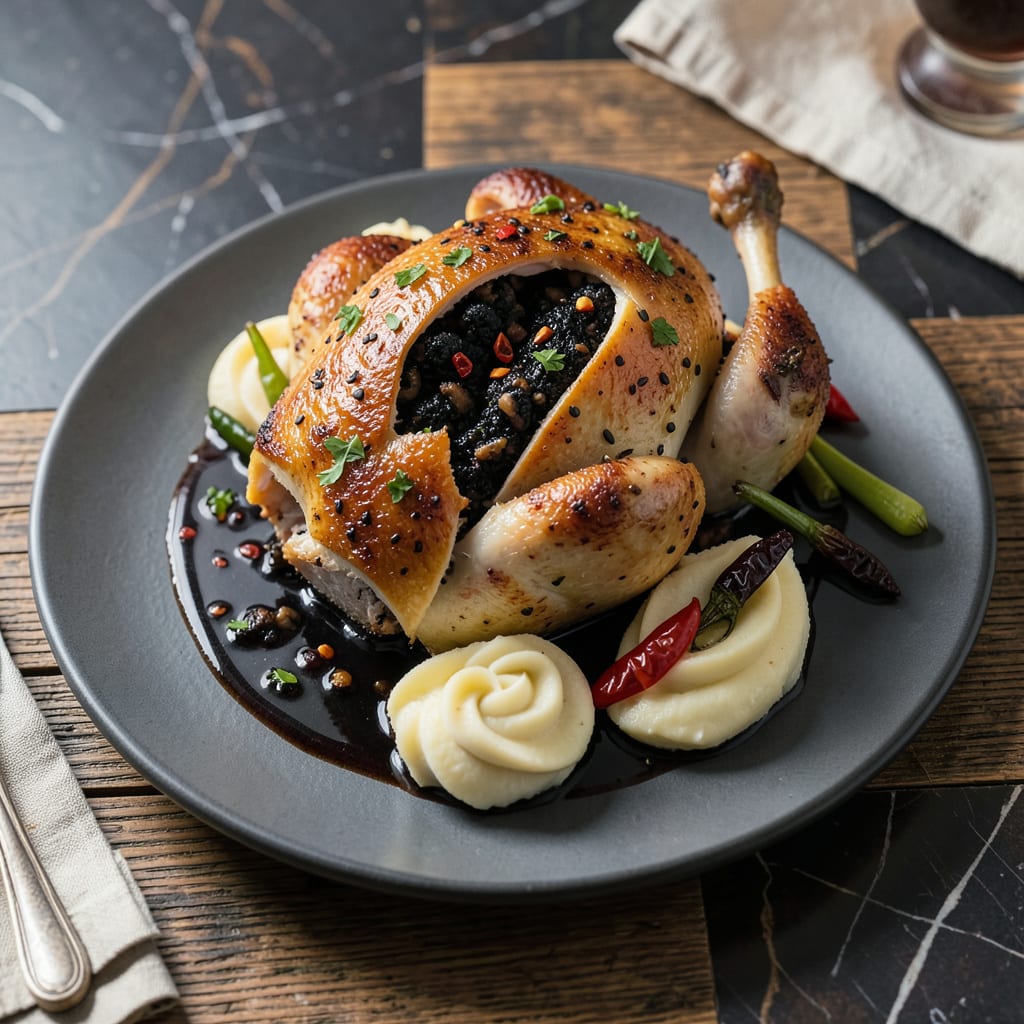
Black spots or streaks in chicken are usually bone marrow that leaked during cooking or blood clots from processing. Darkened skin or meat near bones is typically safe, but mold or slimy black patches mean the chicken has spoiled and should be discarded immediately.
I’ve seen this question worry plenty of home cooks, and the key is understanding the difference between natural discoloration and actual spoilage. 🔥 Those dark streaks near joints or bones often come from marrow seeping out during thawing or cooking—especially in younger birds where bones are more porous. What’s more, free-range chickens sometimes show deeper pigmentation from their diet, which can look alarming but is completely harmless.
Here’s what really matters: texture and smell. Safe discoloration will feel dry and smell neutral, while spoiled chicken develops a sticky film or sour odor. When in doubt, I always recommend the finger test—press the meat gently. If the black spot leaves residue or feels slimy, that’s your red flag to toss it immediately. ✨
💡 In This Article
- Why Bone Marrow and Blood Cause Black Marks in Chicken
- How to Tell If Black Spots in Chicken Are Dangerous
Why Bone Marrow and Blood Cause Black Marks in Chicken
When chicken bones are cut during processing, the porous structure allows marrow to seep out—especially in younger birds where bones haven’t fully hardened. This marrow contains hemoglobin and myoglobin, proteins that oxidize when exposed to air and heat, turning from red to dark brown or black.
🔥 The effect is most noticeable near joints (thighs, drumsticks) where bones are more frequently broken during butchering. Processing plants use high-speed blades that can fracture bones, releasing marrow that then cooks into the surrounding meat.
Blood clots form differently—they’re remnants of the bird’s circulatory system that weren’t fully drained during slaughter. Commercial processing requires 90-120 seconds of bleeding time, but residual blood can pool in muscle tissue. When cooked, these clots coagulate and darken, appearing as small black specks.
Free-range chickens often show more pronounced discoloration because their active lifestyle increases blood vessel density in muscles. Compare this to factory-farmed birds: their limited movement results in 30-40% less visible blood spotting.
The cooking method intensifies these marks. Wet heat (boiling, braising) causes marrow to leach out more aggressively than dry heat (grilling, roasting). I’ve noticed that chicken cooked at temperatures above 350°F develops darker marrow streaks because the heat accelerates protein denaturation.
The Maillard reaction also plays a role—when marrow proteins and sugars interact at high temps, they create those characteristic dark brown/black compounds we associate with “well-done” meat near bones.
Here’s what most people miss: the chicken’s diet affects pigmentation too. Birds fed marigold petals or algae supplements develop deeper yellow skin that can darken dramatically when cooked. In contrast, corn-fed chickens tend to have lighter, more uniform coloring.
The USDA allows up to 15% natural variation in poultry coloration, which is why you might see everything from pale pink to deep mahogany streaks in different brands of chicken.
Age matters more than you’d think. Younger chickens (6-8 weeks) have more flexible bones that release marrow easily, while older birds (12+ weeks) develop denser bones that contain marrow more securely. This is why Cornish hens often show more pronounced black streaking than full-grown roasters.
The marrow in younger birds also has higher water content (78-82% vs. 70-75% in mature chickens), which makes it spread further through the meat during cooking.
Pro tip: If you’re working with air-chilled chicken (common in specialty markets), you’ll see fewer blood spots because the chilling process causes vessels to constrict more effectively than water-chilled birds. The temperature shock during air-chilling (34-36°F for 4-6 hours) helps coagulate residual blood before it can spread through the muscle tissue. ✨

- Jollof Rice Sauce Recipe: West African Tomato and Spice Infusion - September 25, 2026
- Japanese Rice Soup Recipe: Umami-Rich Comfort in a Bowl - September 25, 2026
- Homemade Cream Of Rice Recipe: Silk-Smooth Breakfast in Minutes - September 25, 2026