
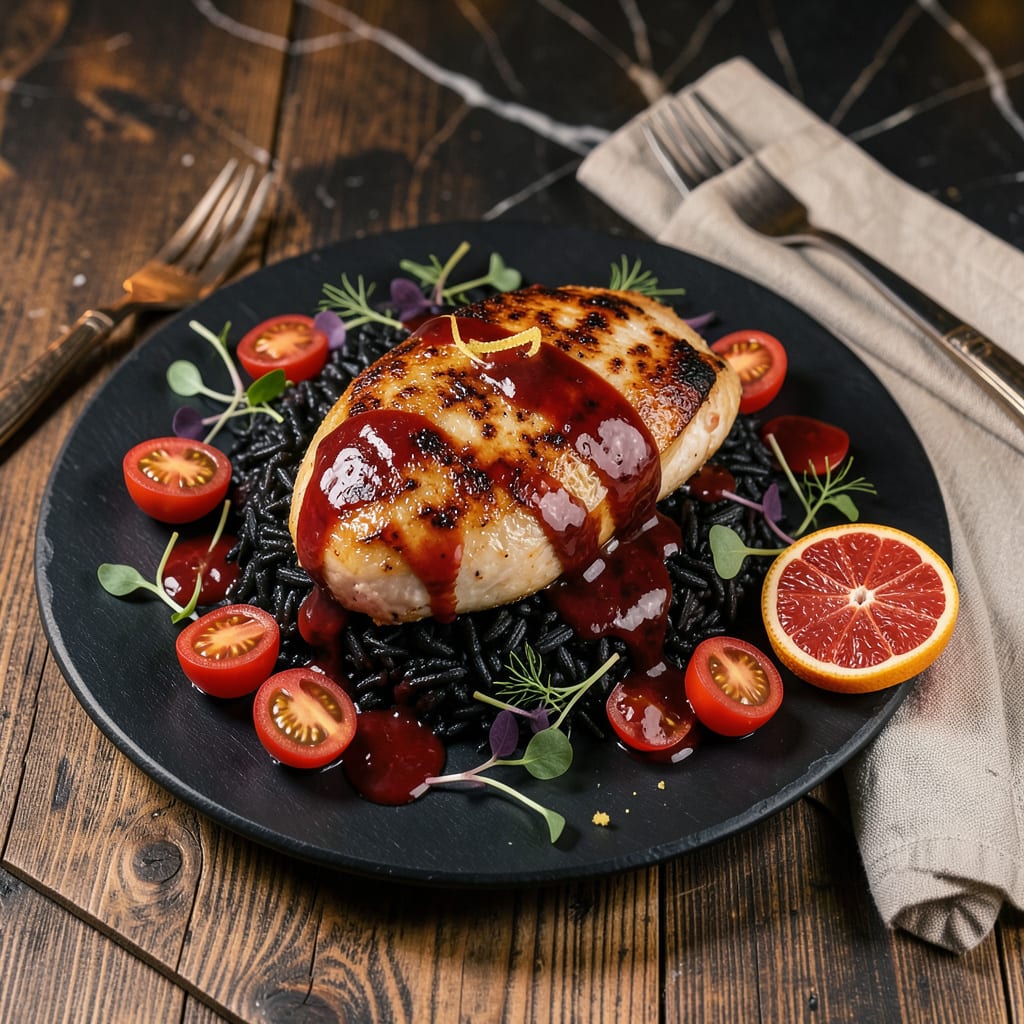
Bleeding chicken is usually bone marrow or hemoglobin leaking during cooking, not actual blood. It’s safe to eat if the meat reaches 165°F internally, though the appearance may be off-putting. Undercooked chicken is the real risk—never serve pink or rubbery flesh.
This phenomenon often catches home cooks off guard, but it’s actually a natural part of the cooking process. 🔥 The red liquid comes from bone marrow seeping out or protein pigments reacting to heat—not from the chicken’s circulatory system. I’ve noticed it happens more frequently with younger birds or when cooking methods like grilling or high-heat searing are used, as these can accelerate the release of these compounds.
What’s important to remember is that color alone isn’t a reliable safety indicator. A properly cooked piece might still show some redness near bones or joints, while dangerous undercooked meat will feel rubbery and show persistent pink throughout. ✨ Always rely on a meat thermometer to check the internal temperature at the thickest part—this is your foolproof way to ensure safety.
💡 In This Article
- Why Chicken Appears to Bleed During and After Cooking
- How to Handle and Cook Chicken to Avoid ‘Bleeding’ Issues
Why Chicken Appears to Bleed During and After Cooking
What you’re seeing isn’t actually blood—it’s a combination of bone marrow and protein pigments reacting to heat. 🔥 When chicken cooks, the marrow inside bones expands and can seep out through tiny fractures, especially in younger birds whose bones are more porous.
This marrow contains hemoglobin, the same iron-rich protein that gives blood its red color, which is why the liquid appears so similar.
The other culprit is myoglobin, a protein that stores oxygen in muscle tissues. At temperatures below 140°F, myoglobin remains red, but as the meat reaches 165°F, it denatures and turns brown. However, near bones or joints where heat penetrates more slowly, some redness may persist.
Younger chickens (under 12 weeks) show this more dramatically because their bones contain more active marrow and their connective tissues are less developed.
High-heat cooking methods like grilling or broiling accelerate this process. The rapid temperature change causes proteins to contract forcefully, squeezing out more of these red pigments. I’ve noticed this happens most with bone-in cuts like thighs or drumsticks, where the marrow has direct pathways to escape.
The liquid often pools around joints or where bones were cut during butchering.
What’s fascinating is that this “bleeding” actually indicates proper cooking in some cases. The marrow release shows the bones have heated through completely, which helps ensure the meat adjacent to bones reaches safe temperatures.
The USDA confirms that as long as the internal temperature hits 165°F for at least 15 seconds, these red pigments pose no safety risk—they’re simply aesthetic.
The texture of this liquid differs from actual blood too. Marrow-based leakage tends to be slightly thicker and more gelatinous when cooled, while true blood would remain watery. If you refrigerate cooked chicken and see the red liquid congeal slightly, that’s a telltale sign it’s marrow-based.
This is why some chefs actually appreciate this phenomenon—it can indicate particularly flavorful, well-marbled meat.
For those concerned about presentation, a simple trick is to let the chicken rest for 10-15 minutes after cooking. This allows the juices (including any red liquid) to redistribute throughout the meat rather than pooling on the cutting board. The color will also mellow slightly as the proteins continue to denature during this resting period.
✨

- Jollof Rice Sauce Recipe: West African Tomato and Spice Infusion - September 25, 2026
- Japanese Rice Soup Recipe: Umami-Rich Comfort in a Bowl - September 25, 2026
- Homemade Cream Of Rice Recipe: Silk-Smooth Breakfast in Minutes - September 25, 2026