
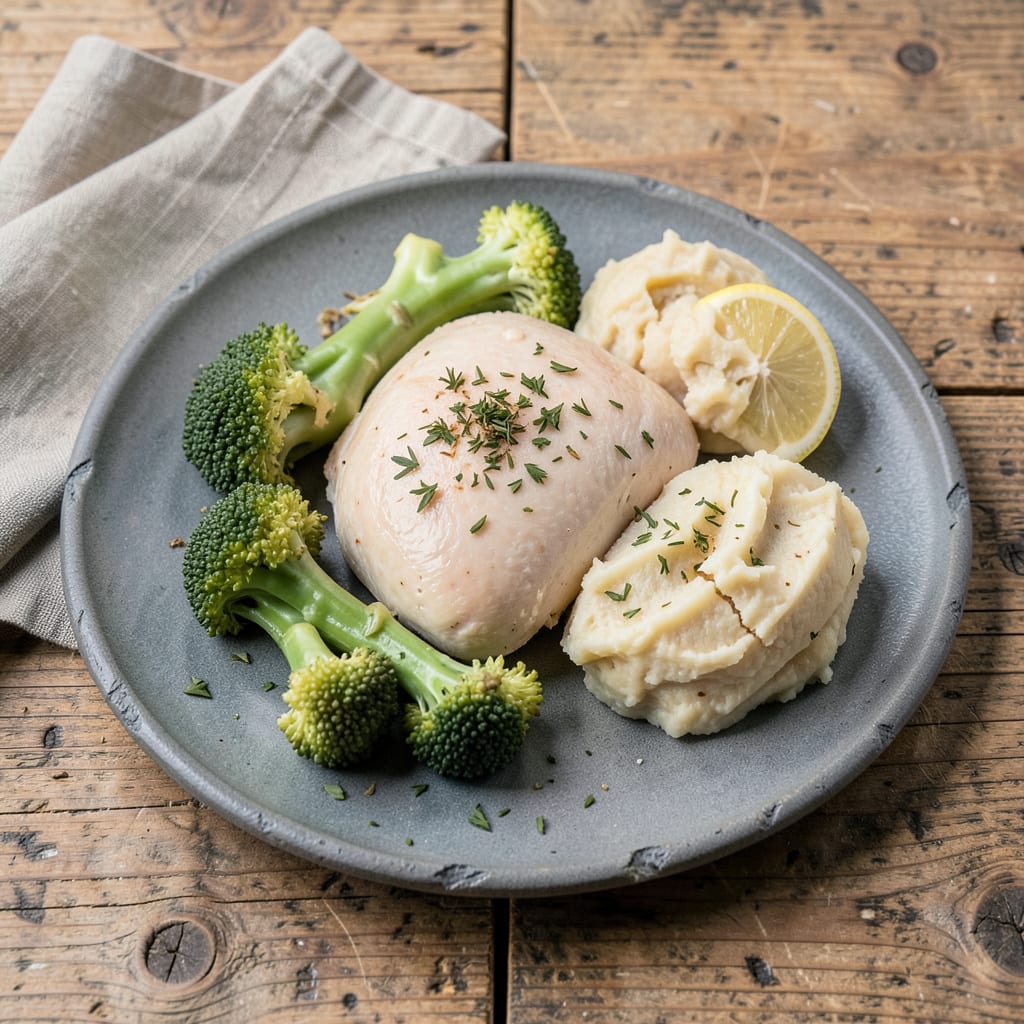
Bland chicken usually results from underseasoning, overcooking, or skipping marinades. Fix it by brining, using dry rubs, or adding acidity like lemon juice or vinegar for balanced flavor.
I’ve found that most flavorless chicken issues start before the meat even hits the pan. The problem often lies in how we prepare it—skipping the salt too early means the seasoning never penetrates beyond the surface. 🔥 What many don’t realize is that chicken actually needs time to absorb flavors, whether through a simple salt brine or an overnight marinade. Even something as quick as a 15-minute saltwater soak can transform your results dramatically.
Another game-changer is understanding how heat affects the meat’s structure. When chicken cooks too fast or at too high a temperature, the proteins squeeze out moisture and flavor compounds. That’s why I always recommend lower heat and shorter cooking times—it preserves both juiciness and taste. The difference between dry, tasteless chicken and perfectly seasoned meat often comes down to these small but crucial adjustments. ✨
💡 In This Article
- Why Chicken Turns Out Bland (And How to Prevent It)
- Quick Flavor Boosters for Already-Cooked Bland Chicken
Why Chicken Turns Out Bland (And How to Prevent It)
Chicken’s flavorless reputation often stems from its lean protein structure. Unlike fatty meats that self-baste during cooking, chicken breasts contain only about 1% fat, meaning they rely entirely on added seasonings and proper technique. The muscle fibers contract when exposed to heat, squeezing out moisture and flavor compounds.
This is why overcooked chicken tastes like cardboard—it’s literally been wrung dry of its natural juices. 🔥
Salt plays a crucial role that most home cooks underestimate. When applied just before cooking, salt only seasons the surface. But given time (even 30 minutes), salt penetrates through osmosis, breaking down proteins to create a more tender, flavorful result. The ideal ratio is 1 tablespoon kosher salt per pound of chicken.
What surprises people is that this isn’t about making food salty—it’s about enhancing the meat’s natural flavors through proper protein breakdown. ✨
The moisture factor can’t be ignored. Chicken loses about 25% of its weight as water during cooking. Without proper techniques, that lost moisture takes flavor with it. Brining (even a quick 15-minute saltwater soak) helps the meat retain moisture by altering its protein structure.
The science shows brined chicken retains 30-40% more moisture than unbrined—directly translating to better flavor retention. 💫
Common mistakes sabotage flavor before cooking even begins. Rinsing chicken washes away natural juices and any applied seasoning. Using expired spices (which lose potency after 6 months) means you’re essentially seasoning with dust. Even the cooking vessel matters—nonstick pans can’t develop the fond (browned bits) that forms flavorful pan sauces.
The difference between mediocre and amazing chicken often comes down to these small but critical preparation details. ⚡
Temperature control makes or breaks the final result. Chicken cooked at 375°F loses moisture twice as fast as at 325°F. The ideal internal temperature of 165°F should be reached gradually to allow proteins to denature properly without squeezing out all the juices.
Using a meat thermometer isn’t optional—it’s the only way to hit that perfect window where chicken is both safe and succulent. 🌟
Consider the flavor carriers you’re using. Fat-soluble compounds in herbs and spices need oil to properly infuse into the meat. That’s why dry rubs with a bit of oil outperform plain seasoning. Acidic ingredients like vinegar or citrus don’t just add flavor—they actually break down muscle fibers to create a more tender bite.
The combination of salt, fat, acid, and heat creates what chefs call “flavor layering,” where each element builds upon the others for maximum impact. 💛

- Jollof Rice Sauce Recipe: West African Tomato and Spice Infusion - September 25, 2026
- Japanese Rice Soup Recipe: Umami-Rich Comfort in a Bowl - September 25, 2026
- Homemade Cream Of Rice Recipe: Silk-Smooth Breakfast in Minutes - September 25, 2026