
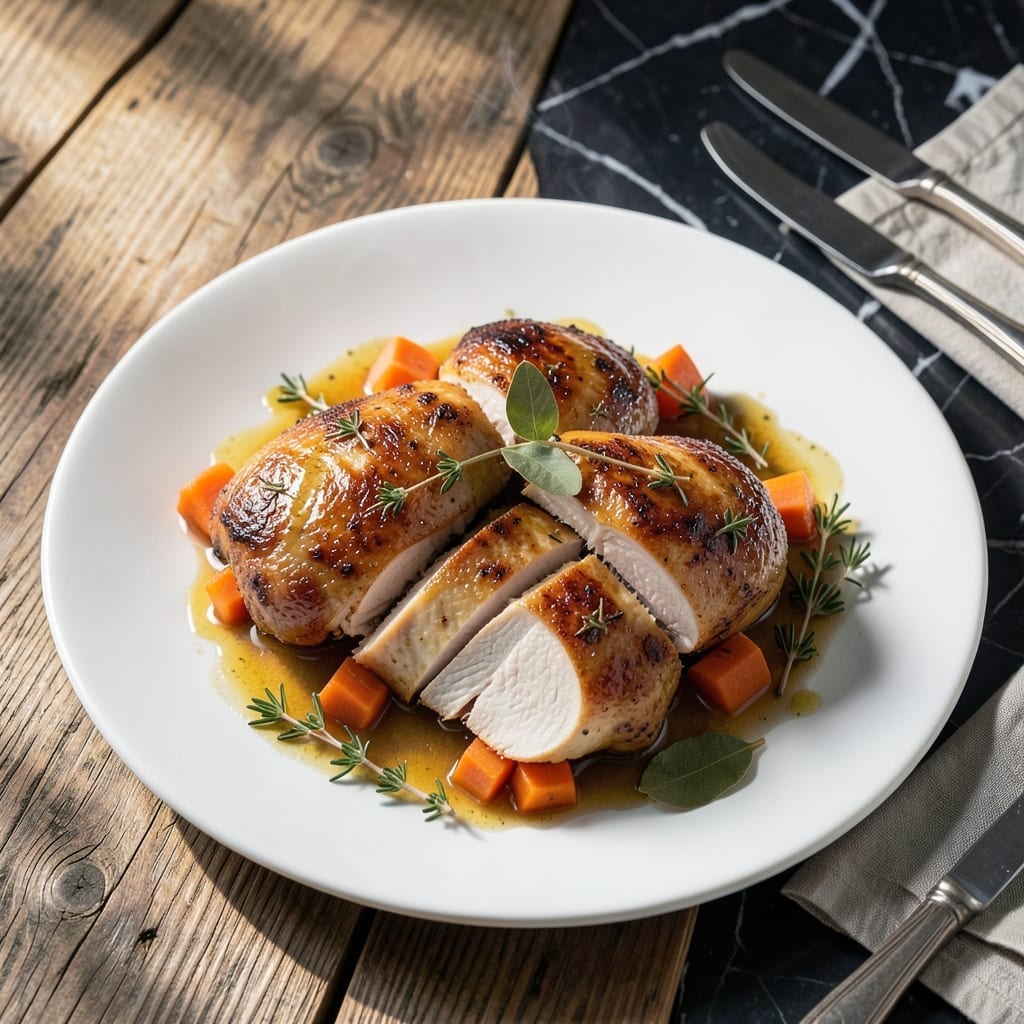
Introducing a nutritious way to serve chicken to your little one through baby-led weaning. This method ensures soft, easy-to-hold pieces that are safe for tiny hands to explore.
The chicken is gently cooked to maintain tenderness while preserving its natural flavors. I’ve tailored this recipe to meet BLW guidelines, focusing on texture and safety for your baby’s first foods.
Each piece is the perfect size for small fingers to grasp and chew. The process is simple, with no added salt or seasonings—just pure, wholesome chicken.
Serve at room temperature for the best experience. This approach supports your baby’s independence and development.
Ingredients for Blw Chicken
Simple, wholesome ingredients for soft, baby-friendly chicken pieces with no added salt.
| Ingredient | Amount | Notes |
|---|---|---|
| Boneless Skinless Chicken Thighs 🍗 | 1 lb | Trimmed of excess fat |
| Boneless Skinless Chicken Breasts 🍗 | 1 lb | Optional, for leaner option |
| Water 💧 | 2 cups | For gentle poaching |
| Low-Sodium Chicken Broth 🍲 | 1 cup | Or water for no added sodium |
| Bay Leaf 🌿 | 1 whole | Optional for subtle flavor |
| Fresh Thyme Sprigs 🌿 | 2 whole | Optional, for aroma |
| Carrot 🥕 | 1 whole | Peeled, for extra softness |
| Celery Stalk 🥬 | 1 whole | Optional, for added flavor |
The chicken is the star here. Boneless, skinless thighs give you the most tender, forgiving texture—breasts work too but can dry out if overcooked. I grab mine from Whole Foods or Costco for quality and consistent sizing. Look for pieces that are uniform in thickness (about 1-inch) so they cook evenly. Thighs have more fat, which keeps them juicy even if they sit a few extra minutes.
No chicken broth? Water works perfectly fine—this is baby food after all. Want to add subtle flavor without salt? Bay leaf or thyme sprigs infuse gentle taste (remove before serving). Carrot and celery add natural sweetness to the poaching liquid. If using broth, low-sodium is mandatory to keep this baby-safe. Fresh herbs are better than dried here since they’re easier to remove.
Cooked chicken keeps in the fridge for 3-4 days or freezes for 3 months. Portion into baby-sized pieces before storing so it’s ready to grab. Always check temperature before serving—warm is fine, but room temp is ideal for little hands. The poaching liquid can be saved for soups or sauces if you haven’t added salt.
Why You’ll Love This Recipe
- One Pot Simplicity: I toss the chicken thighs and broth into a single pot with a bay leaf, and that’s it—no fuss, no extra dishes.
- Rich Comforting Flavor: The low-sodium broth and bay leaf infuse the chicken with a cozy depth that feels like a warm hug.
- Baby-Led Weaning Win: Soft, easy-to-grip pieces make this my go-to for introducing solids to my little one.
- Budget Stretcher: Chicken thighs stay juicy and cost half as much as breasts, so I make a big batch for meals all week.
Step-by-Step Instructions for BLW Chicken
Here’s the method for preparing soft, safe chicken that’s perfect for baby-led weaning.
Step 1: Prepare the Chicken and Aromatics
Trim any excess fat from the 1 lb Boneless Skinless Chicken Thighs and, if using, the 1 lb Boneless Skinless Chicken Breasts. I prefer thighs for their natural tenderness, but breasts work well if you’re aiming for a leaner option. Peel the 1 whole Carrot and cut it into large chunks to infuse the cooking liquid with subtle sweetness.
Rinse the 1 whole Celery Stalk and cut it into similar large pieces. There’s no need to finely chop these—you’re just using them for flavor. The 1 whole Bay Leaf and 2 whole Fresh Thyme Sprigs will add gentle, baby-friendly seasoning without overpowering the chicken.
Step 2: Poach the Chicken Gently
In a large pot, combine the 2 cups Water and 1 cup Low-Sodium Chicken Broth. Add the prepared chicken, carrot, celery, bay leaf, and thyme. The liquid should just cover the chicken—if it doesn’t, add a little more water. Bring to a gentle simmer over medium heat, then immediately reduce to low heat.
Partially cover the pot and poach for 15-20 minutes, depending on the size of your chicken pieces. The chicken is done when it reaches an internal temperature of 165°F and the meat shreds easily with a fork. Avoid boiling, as this can make the chicken tough and dry—gentle poaching ensures it stays tender and moist.
Step 3: Cool and Shred the Chicken
Remove the chicken from the pot and transfer it to a cutting board. Discard the carrot, celery, bay leaf, and thyme—they’ve served their purpose. Let the chicken cool completely before handling; this is a critical safety step for baby-led weaning.
Once cool, shred the chicken into long, thin strips. For younger babies, aim for pieces about the size and shape of two adult fingers pressed together. The texture should be soft enough to mash between your fingers with minimal effort, ensuring it’s safe and easy for your little one to gum.
Step 4: Serve and Store
Serve the chicken warm or at room temperature. You can offer it as-is or lightly coat it with a small amount of the poaching liquid for added moisture. The strips should hold their shape when picked up but break apart easily in your baby’s mouth.
Store any leftovers in an airtight container in the refrigerator for up to 3 days. To reheat, warm the chicken gently in a little of the poaching liquid or steam it until just heated through. Always test the temperature before serving to ensure it’s not too hot for your baby.
Pro Tips For Making Blw Chicken
- Use Thighs for Moisture: Boneless skinless chicken thighs stay juicier than breasts in this recipe—I learned this the hard way after serving dry chicken to guests.
- Simmer, Don’t Boil: Keep the water and broth at a gentle simmer with the bay leaf, or the chicken turns rubbery. A low, steady heat actually changes the outcome.
- Check Internal Temp: Pull the chicken at 165°F—no higher, or it dries out. I skip the thermometer when I’m lazy, but the dish is noticeably better when I don’t.
- Save the Broth: Strain and reserve the cooking liquid after poaching—it’s perfect for soups or sauces. Sounds weird, but it works.
Wine and Beer Pairings for This Dish
For the Parents
While this dish is all about your baby, parents deserve a treat too! I love pairing this with a crisp Sauvignon Blanc from New Zealand. The bright acidity and citrus notes complement the mild chicken beautifully. Serve it chilled for a refreshing contrast. 🍷
Light Beer Option
A light lager like Corona Premier or Heineken Light offers a clean, crisp finish that won’t overpower the subtle flavors. The carbonation helps cleanse your palate between bites of baby food testing. Keep it ice cold for the best experience.
Non-Alcoholic Choices
For those avoiding alcohol, a chilled sparkling water with a squeeze of lemon provides the same palate-cleansing effect. I also enjoy an iced hibiscus tea—its tart berry flavor pairs surprisingly well with the gentle chicken. 💡
Wine for Special Occasions
If you’re celebrating a milestone, a dry Riesling from Germany offers elegant complexity. The mineral notes and touch of sweetness balance the simplicity of the dish. Serve in a chilled glass to enhance the aromatics.
Evening Wind-Down
After baby’s bedtime, I sometimes enjoy this with a chilled Pinot Grigio. Its light body and subtle fruit notes make it perfect for unwinding. The mild flavor won’t distract from the satisfaction of a successful BLW meal.
Nutrition Facts
Frequently Asked Questions
What size should the chicken strips be for BLW?
Aim for pieces about the size of two adult fingers pressed together. They should be long enough for your baby to grasp easily.
Can I use chicken breasts instead of thighs?
Yes, but they dry out faster. Cook them for 15 minutes max and check they reach 165°F. Thighs stay juicier for BLW.
How do I know when the chicken is safe for my baby?
It should shred easily between your fingers. Always let it cool completely before serving to avoid burns.
How long can I store leftover BLW chicken?
Keep in an airtight container for 3 days in the fridge. Freeze for up to 3 months for longer storage.

- Jollof Rice Sauce Recipe: West African Tomato and Spice Infusion - September 25, 2026
- Japanese Rice Soup Recipe: Umami-Rich Comfort in a Bowl - September 25, 2026
- Homemade Cream Of Rice Recipe: Silk-Smooth Breakfast in Minutes - September 25, 2026