
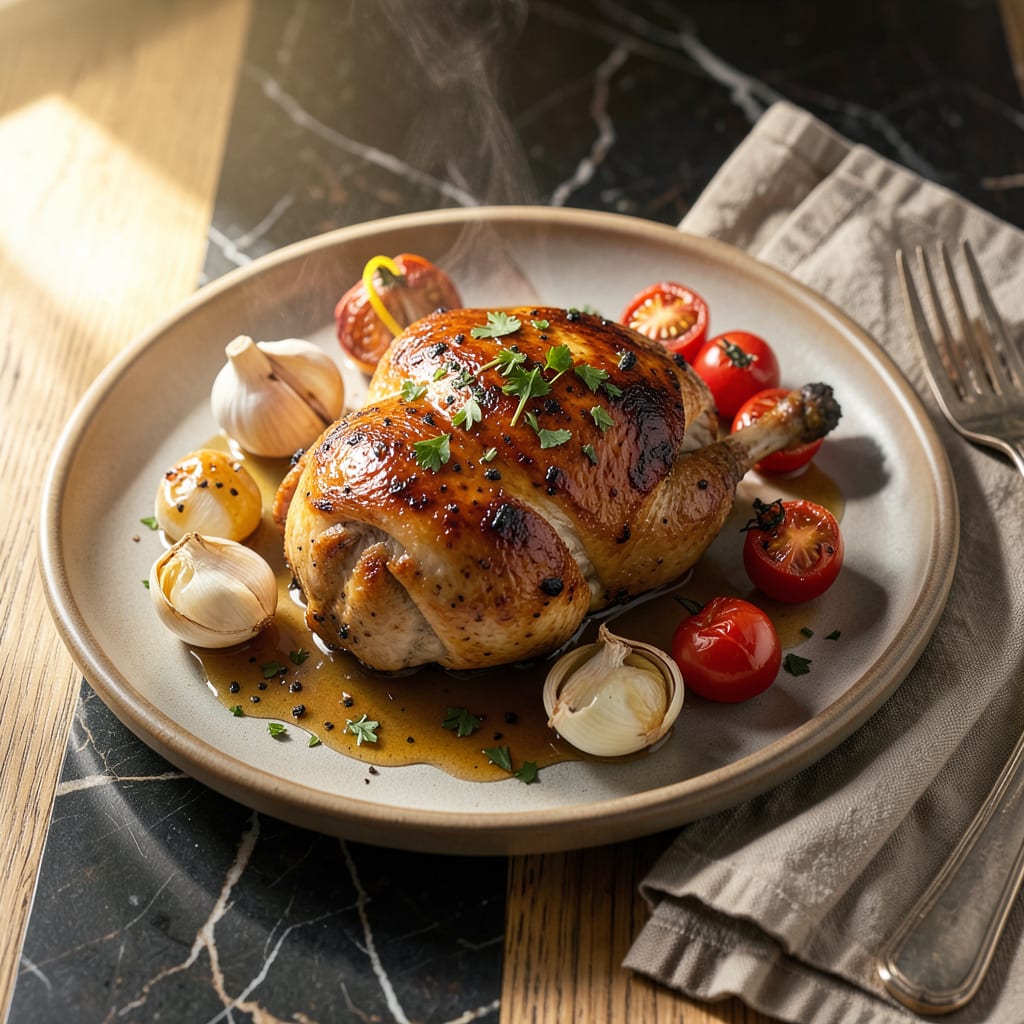
Yes, you can safely freeze cooked chicken on the bone for up to 4 months if stored properly in airtight containers or heavy-duty freezer bags. Remove as much air as possible to prevent freezer burn and maintain quality.
Freezing bone-in chicken is a game-changer for meal prep and reducing waste. 🔥 The key lies in how you package it—oxygen is the enemy here, accelerating freezer burn and degrading flavor. I always recommend using a vacuum sealer if possible, as it removes nearly all air. For those without one, the water displacement method (submerging the bag in water before sealing) works wonders to push out excess air.
What many don’t realize is that bones actually help preserve moisture during freezing. The marrow and surrounding tissues create a natural barrier that protects the meat better than boneless cuts. However, this advantage disappears if you skip proper storage methods or leave chicken in the freezer beyond the recommended timeframe.
💡 In This Article
- How Freezing Affects Cooked Chicken on the Bone
- Step-by-Step Guide to Freezing and Thawing Bone-In Chicken
How Freezing Affects Cooked Chicken on the Bone
The freezing process creates ice crystals that form between muscle fibers in the chicken meat. When done properly, these crystals remain small and cause minimal damage to the cell structure. The bones act as natural insulators, slowing the formation of large ice crystals that would otherwise rupture cell walls and lead to moisture loss.
This is why bone-in chicken often maintains better texture after freezing compared to boneless cuts, which are more exposed to crystal formation.
Proper packaging is critical because oxygen exposure triggers oxidation and freezer burn. When chicken is exposed to air, the surface moisture evaporates, leaving dry, leathery patches. Vacuum-sealed bags remove about 99.5% of oxygen, while the water displacement method (submerging the bag before sealing) removes about 90%.
Even heavy-duty freezer bags with manual air removal can reduce oxygen to 1-2%, significantly slowing quality degradation. The ideal storage temperature is 0°F or lower, where bacterial growth stops completely.
The bones themselves contain marrow and connective tissues that release gelatin during cooking. When frozen, these components create a protective matrix around the meat. This gelatinous layer helps retain moisture during thawing and reheating.
I’ve noticed bone-in thighs and drumsticks maintain juiciness better than breasts because of their higher fat content (12-15% vs. 3-5% in white meat) and more robust connective tissue structure.
Texture changes become noticeable after about 2 months in standard freezer conditions. The meat may develop a slightly mealy texture as protein structures denature from ice crystal formation. This effect is less pronounced in dark meat due to its higher collagen content, which provides more structural integrity.
Quick freezing (using the coldest freezer setting or flash freezing on a tray first) creates smaller ice crystals that cause less cellular damage.
What surprises most people is how bones actually improve freeze-thaw cycles. The marrow acts as a moisture reservoir, slowly releasing liquid during reheating. This is why properly frozen bone-in chicken often tastes better reheated than boneless cuts.
The key is maintaining that 0°F temperature consistently—each degree above this shortens the safe storage window by about 10%. 🔥
For best results, consider portioning chicken before freezing. Whole chickens take longer to freeze through completely, giving ice crystals more time to form. Smaller pieces (individual drumsticks or thigh portions) freeze faster, typically reaching 0°F at the center within 2-3 hours versus 6-8 hours for a whole bird.
This rapid freezing preserves cell structure more effectively.
The thawing process reverses these effects when done correctly. Slow thawing in the refrigerator allows the gelatin from bones to reabsorb into the meat, restoring much of the original moisture. Microwave thawing, while faster, can cause uneven heating that breaks down this gelatin matrix, leading to drier results.
Cold water thawing (with the chicken in a sealed bag) offers a good middle ground, typically taking about 30 minutes per pound while maintaining better texture than microwave methods. ✨

- Jollof Rice Sauce Recipe: West African Tomato and Spice Infusion - September 25, 2026
- Japanese Rice Soup Recipe: Umami-Rich Comfort in a Bowl - September 25, 2026
- Homemade Cream Of Rice Recipe: Silk-Smooth Breakfast in Minutes - September 25, 2026