
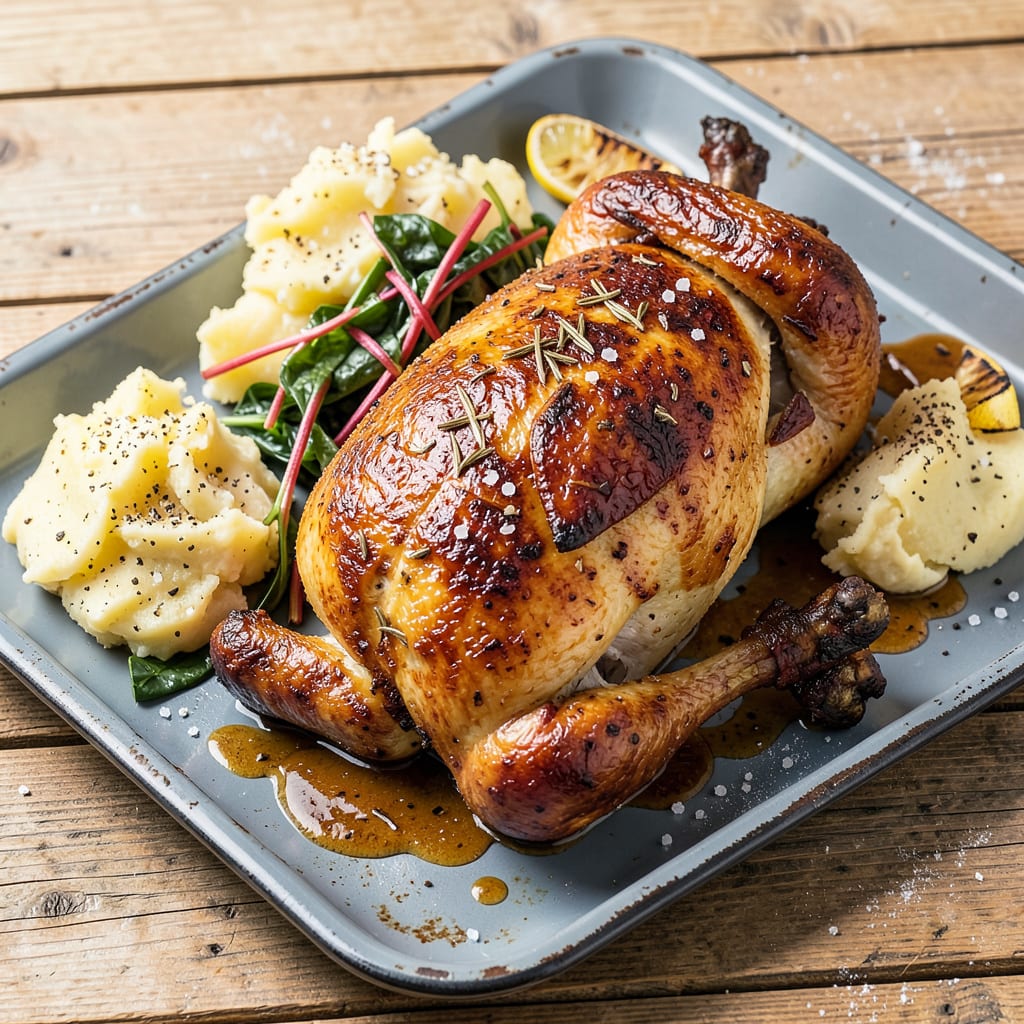
The cheapest way to buy chicken is purchasing whole birds in bulk from warehouse clubs, using store sales with coupons, or buying family packs at discount grocers. Freezing portions maximizes savings while reducing waste.
I’ve found that breaking down whole chickens yourself can cut costs by 30-50% compared to pre-cut pieces. The secret lies in avoiding the “convenience premium” that grocers charge for butchering. 🔥 Warehouse clubs like Costco or Sam’s Club offer the best per-pound pricing, especially when you buy 10+ pound packages and portion them at home. What most people overlook is that discount grocers often run unadvertised “manager’s specials” on chicken nearing its sell-by date—perfect for immediate cooking or freezing.
Timing your purchases around major holidays (like Thanksgiving or July 4th) can yield even deeper discounts, as stores compete for shoppers. I always pair these sales with digital coupons from store apps—some chains let you stack manufacturer coupons with store promotions for double savings. The key is planning meals around what’s on sale rather than shopping with a fixed list. ✨
💡 In This Article
- Why Whole Chickens and Bulk Purchases Save You Money
- Smart Shopping Strategies for Chicken on a Budget
Why Whole Chickens and Bulk Purchases Save You Money
When you buy a whole chicken instead of pre-cut pieces, you’re avoiding the labor costs that get built into the price. Grocery stores typically charge 2-3x more for boneless, skinless breasts compared to whole birds because they’ve paid employees to debone and package them.
A 4-pound whole chicken at $1.49/lb yields about 2 pounds of breast meat—the same amount would cost $5.99/lb pre-cut. That’s a 75% markup just for convenience. 💰
Warehouse clubs like Costco or Sam’s Club operate on razor-thin profit margins (about 10-15% versus 25-30% at traditional grocers), allowing them to sell chicken at near-wholesale prices. Their 10-pound bulk packs of thighs or drumsticks often drop to $0.99/lb during sales—half the price of supermarket family packs. The catch?
You’ll need to invest in a vacuum sealer and freezer space, but the savings add up quickly. A $200 annual membership pays for itself after just 3-4 bulk chicken purchases.
The economics change dramatically when you compare yield. Whole chickens give you 60-70% usable meat after removing bones, while boneless cuts are 90%+ usable—but you’re paying for someone else to do the work.
I’ve timed it: breaking down a whole chicken takes about 10 minutes with practice, and you’ll recover the “waste” by using bones for stock. The carcass from one bird simmers into 2 quarts of rich broth, adding even more value. 🔥
Discount grocers like Aldi or ethnic markets leverage different supply chains to offer better prices. Many source chicken from smaller processors with lower overhead, or import from countries with cheaper feed costs. I’ve found whole chickens at ethnic markets for $0.89/lb—that’s 40% less than national chains. The trade-off?
You might need to clean the chicken more thoroughly, as processing standards vary. Always check for a USDA inspection mark to ensure safety.
Here’s the cost breakdown per pound for common options:
- Whole chicken (warehouse club): $0.99-$1.29/lb
- Boneless breasts (supermarket): $3.99-$5.99/lb
- Thighs/drumsticks (bulk pack): $1.49-$1.99/lb
- Ground chicken (pre-packaged): $3.49-$4.99/lb
Pro tip: Ask your butcher for “chicken backs” or “necks”—often sold for $0.49/lb or given away free. These cuts are perfect for stock and contain more collagen than wings for richer broth. The savings strategies compound when you combine bulk purchases with loss leaders (items sold at a loss to draw customers) during holiday weekends.
🌟

- Jollof Rice Sauce Recipe: West African Tomato and Spice Infusion - September 25, 2026
- Japanese Rice Soup Recipe: Umami-Rich Comfort in a Bowl - September 25, 2026
- Homemade Cream Of Rice Recipe: Silk-Smooth Breakfast in Minutes - September 25, 2026