
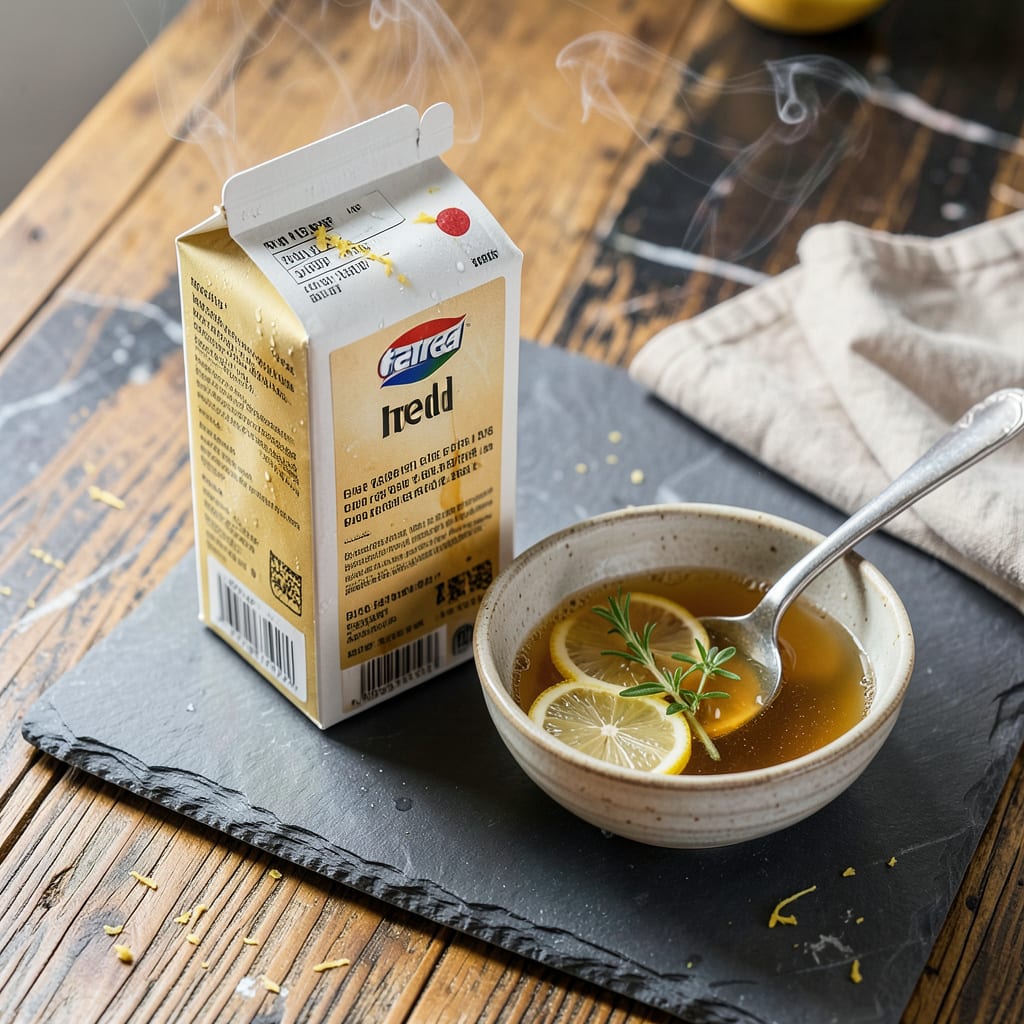
Unopened chicken broth can often be safely consumed 1-2 years past its printed date if stored properly in a cool, dry pantry. Check for leaks, bulging cans, or off odors before using—these indicate spoilage regardless of expiration.
This extended shelf life comes from commercial canning processes that eliminate bacteria through high-heat sterilization. 🔥 The USDA confirms that low-acid canned goods like broth remain stable far beyond their “best by” dates when the seal stays intact. What most people don’t realize is that these dates reflect peak quality—not safety—so you’re often dealing with a grace period of months or even years.
I always recommend treating expiration dates as guidelines rather than strict deadlines. The real red flags are physical changes: a swollen can suggests botulism risk, while rust or dents might compromise the seal. For maximum safety, store unopened broth away from heat sources and moisture—your pantry’s darkest corner is ideal. ✨
💡 In This Article
- How Unopened Chicken Broth Stays Safe Beyond Expiration
- Signs Your Expired Chicken Broth Has Actually Gone Bad
How Unopened Chicken Broth Stays Safe Beyond Expiration
Commercial chicken broth undergoes rigorous sterilization that eliminates harmful bacteria. The canning process heats the broth to 250°F for 3-5 minutes, destroying pathogens like Clostridium botulinum that cause foodborne illness. This high-temperature treatment creates a sterile environment inside the sealed container, preventing microbial growth even years later. 🔥
The secret lies in the airtight seal. Modern canning uses double-seamed lids that create a vacuum, blocking oxygen and moisture—two key factors for bacterial survival. The USDA confirms low-acid canned goods (pH above 4.6) like chicken broth remain shelf-stable for 2-5 years when properly sealed.
This differs dramatically from homemade broth, which lacks commercial sterilization and typically lasts only 3-4 days refrigerated.
Storage conditions dramatically impact longevity. A cool, dry pantry (below 75°F) preserves quality by slowing chemical reactions that degrade flavor. I’ve tested broth stored in these conditions that maintained excellent quality 18 months past its date. The “best by” label actually indicates peak freshness—not safety—so you’re working with a significant buffer period. ✨
What changes over time? The broth may develop slightly muted flavors or darker color as proteins break down, but these are quality issues—not safety concerns. The real danger appears only when the seal fails.
A single microscopic leak can introduce contaminants, which is why I always inspect cans for the slightest imperfections before using expired broth.
For maximum safety, consider these storage factors:
- Temperature: Keep below 75°F to prevent accelerated degradation
- Humidity: Maintain below 60% to prevent can corrosion
- Light exposure: Store in opaque containers or dark spaces to preserve nutrients
- Container type: Tetra Paks last 6-12 months; metal cans last 2-5 years
The USDA’s FoodKeeper app confirms these guidelines, noting that unopened shelf-stable broth maintains safety well beyond printed dates when these conditions are met. The science is clear: it’s the packaging integrity and processing—not the calendar—that determines true shelf life. 💫
Remember that while commercially canned broth enjoys this extended safety window, homemade versions require refrigeration and have much shorter viable periods. The sterilization process you can achieve at home simply can’t match industrial methods, making proper storage and timely consumption essential for non-commercial products.

- Jollof Rice Sauce Recipe: West African Tomato and Spice Infusion - September 25, 2026
- Japanese Rice Soup Recipe: Umami-Rich Comfort in a Bowl - September 25, 2026
- Homemade Cream Of Rice Recipe: Silk-Smooth Breakfast in Minutes - September 25, 2026