
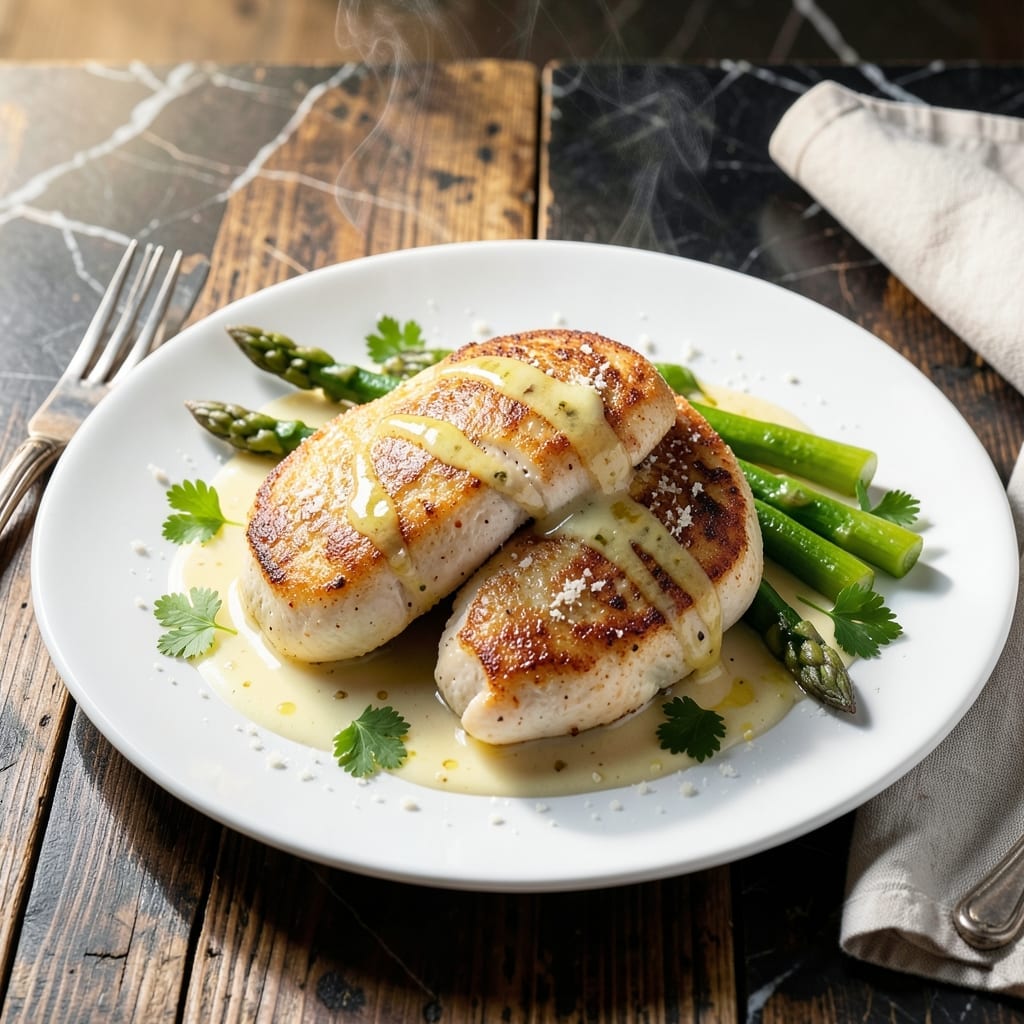
This classic Italian-American dish combines crispy chicken cutlets with a bright lemon-butter sauce that’s both elegant and approachable. The key lies in achieving that perfect golden crust while keeping the interior tender and juicy.
I’ve refined this technique over years of testing, focusing on the delicate balance between the egg coating and the light breading that creates the signature texture. The sauce comes together in minutes, transforming simple pan drippings into a velvety, tangy finish.
What sets this version apart is the attention to detail in each step, from properly pounding the chicken to the exact moment to add the lemon juice. The result is a dish that feels special enough for company but simple enough for a weeknight.
Serve immediately for the best texture contrast between the crispy coating and the silky sauce. Here’s how to make it perfectly every time.
Ingredients for Chicken Francese
A handful of pantry staples and fresh ingredients create this elegant, crispy dish with velvety sauce.
| Ingredient | Amount | Notes |
|---|---|---|
| Chicken Breast 🍗 | 1 ½ lb | Boneless, skinless, pounded thin |
| All-Purpose Flour 🌾 | ½ cup | For light breading |
| Large Eggs 🥚 | 4 whole | Beaten for egg wash |
| Unsalted Butter 🧈 | ½ cup | Divided for cooking and sauce |
| Olive Oil 🫒 | 2 tbsp | For frying cutlets |
| Dry White Wine 🍷 | ½ cup | Such as Pinot Grigio |
| Chicken Broth 💧 | ½ cup | Low-sodium preferred |
| Lemon Juice 🍋 | ¼ cup | Freshly squeezed |
| Lemon Zest 🍋 | 1 tbsp | Finely grated |
| Garlic Cloves 🧄 | 2 cloves | Minced |
| Fresh Parsley 🌿 | 2 tbsp | Chopped, for garnish |
| Salt 🧂 | 1 tsp | Divided to taste |
| Black Pepper 🌶️ | ½ tsp | Freshly ground |
The chicken is the foundation here. Optimal quality requires boneless, skinless breasts pounded to an even thickness—this ensures even cooking and that perfect golden crust. Most supermarkets carry them pre-trimmed, but Whole Foods or a local butcher can provide thicker cuts if you prefer to pound them yourself. The egg coating is non-negotiable for achieving the signature texture.
For the wine, any dry white like Pinot Grigio or Sauvignon Blanc works perfectly. No wine on hand? Substitute with additional chicken broth and a splash of vinegar. The lemon should be fresh—bottled juice lacks the brightness. If you can’t find fresh parsley, dried at one-third the amount is acceptable, though less vibrant.
This dish is best served immediately for that ideal crispy-saucy contrast. Leftovers keep in the fridge for 2-3 days, though the coating may soften. Reheat gently on the stovetop with a splash of broth to revive the texture. Freezing isn’t recommended as it compromises the crispiness.
Why You’ll Love This Recipe
- One Pan Wonder: That buttery, eggy coating on the chicken means just one pan to clean—dinner and cleanup done in a flash.
- Lemon-Kissed Perfection: The bright pop of lemon in the sauce cuts through the rich butter and makes every bite sing.
- Weeknight Hero: Between us, I’ve served this for Sunday supper and a quick Tuesday dinner—always gets devoured.
- Budget Stretcher: Chicken breasts, a few eggs, and pantry staples make this feel fancy without the fancy price tag.
Step-by-Step Instructions for Chicken Francese
Master this classic preparation with a light breading and bright lemon-butter sauce for perfect results every time.
Step 1: Prepare and Bread the Chicken Cutlets
Place the chicken breast between plastic wrap and pound to an even ¼-inch thickness using a meat mallet. Season both sides with ½ tsp salt and ½ tsp black pepper. This even thickness ensures quick, uniform cooking without drying out the meat.
Set up a breading station with three shallow dishes. Place the all-purpose flour in the first, beat the large eggs in the second, and leave the third empty for now. Dredge each piece in the flour, shaking off excess, then dip in the beaten eggs, allowing any excess to drip off. The light coating creates that signature crispy texture.
Step 2: Cook the Cutlets to Golden Perfection
Heat 2 tbsp olive oil and 2 tbsp unsalted butter in a large skillet over medium-high heat until the butter melts and begins to foam. Add the breaded chicken in a single layer, working in batches if needed to avoid crowding the pan.
Cook for 3-4 minutes per side until the cutlets are golden brown and crispy. The edges should appear lacy and the coating should release easily from the pan. Transfer the cooked cutlets to a warm plate and tent with foil to keep them warm while you prepare the sauce.
Step 3: Build the Lemon-Butter Sauce Base
In the same skillet, reduce heat to medium and add the minced garlic cloves. Sauté for 30 seconds until fragrant but not browned. Pour in the dry white wine and lemon juice, using a wooden spoon to scrape up any browned bits from the bottom of the pan.
Let the mixture simmer for 2-3 minutes until the liquid reduces by about half. This deglazing step incorporates all the flavorful fond from cooking the chicken into your sauce. The alcohol smell should cook off completely during this process.
Step 4: Finish the Sauce and Coat the Chicken
Add the chicken broth, lemon zest, and remaining ½ cup unsalted butter (cut into small pieces) to the skillet. Simmer for 2-3 minutes until the sauce thickens slightly and takes on a glossy appearance. The butter should melt completely and create a rich, velvety texture.
Return the chicken cutlets to the skillet and spoon the sauce over them. Cook for an additional 1-2 minutes to allow the flavors to meld and the chicken to absorb some of the sauce. The cutlets should remain crispy while becoming coated in the lemon-butter mixture.
Step 5: Garnish and Serve Immediately
Transfer the chicken to serving plates and spoon any remaining sauce from the pan over the top. Garnish with the chopped fresh parsley for a pop of color and freshness. The parsley adds a nice contrast to the rich sauce and crispy chicken.
Serve immediately while the chicken is still crispy and the sauce is hot. Each serving should have a generous portion of sauce, as it’s the star of this dish. The lemon-butter sauce should be bright and tangy, perfectly complementing the crispy, tender chicken cutlets.
Pro Tips For Making Chicken Francese
- Pound the Chicken: Use a meat mallet to flatten the chicken breasts to an even 1/4-inch thickness—this guarantees they cook through without drying out and makes the egg coating stick better.
- Warm the Butter: I learned this the hard way—melting the butter first causes it to brown too fast; instead, let it soften at room temp for 10 minutes then use it straight from the fridge for a golden, even sear.
- Dredge Then Dip: Shake off excess flour before dipping in egg, or you’ll end up with gummy clumps in your pan instead of a crisp, delicate crust.
- Use a Mix: Sounds weird, but it works: swirl 1 tablespoon olive oil into the butter in the pan to raise the smoke point and prevent burning before the chicken finishes cooking.
Troubleshooting This Dish
Soggy Coating
If your cutlets lose their crispness, it’s likely from overcrowding the pan. Cook in batches with 2 tbsp olive oil and 2 tbsp butter per batch. Also, ensure the oil-butter mixture is hot before adding the chicken—it should sizzle immediately.
Sauce Too Thin
Your sauce might not reduce properly if the heat is too low. After adding the ½ cup white wine and ¼ cup lemon juice, maintain a steady simmer. If it’s still thin, let it cook for an extra 2-3 minutes before adding the broth.
Sauce Breaking
If your lemon-butter sauce separates, it’s usually from too-high heat. Remove the pan from heat when adding the ½ cup cold butter (cut into small cubes). Whisk constantly as the butter melts to create a smooth emulsion. 💡
Bitter Taste
Bitterness often comes from overcooked garlic or burnt butter. Sauté the 2 minced garlic cloves for only 30 seconds until fragrant. Keep the heat at medium when building the sauce to prevent scorching.
Dry Chicken
Dry cutlets usually mean they were overcooked. Pound the chicken to an even ¼-inch thickness so it cooks through in just 3-4 minutes per side. Use a meat thermometer to confirm it reaches 165°F internally.
Sauce Overpowering
Balance is key. If your sauce tastes too sharp, add a pinch of sugar or a splash of chicken broth to mellow the acidity. Taste as you go and adjust the lemon juice gradually. 🍋
Nutrition Facts
Frequently Asked Questions
What can I use instead of white wine?
Substitute with equal parts chicken broth and a splash of vinegar or extra lemon juice. This maintains acidity and depth without alcohol.
How do I keep the coating crispy?
Cook in batches to avoid overcrowding. Keep cooked cutlets warm in a 200°F oven while finishing the sauce. Serve immediately for best texture.
Can I make this with chicken thighs?
Yes, but pound boneless thighs to ¼-inch thickness and reduce cooking time to 2-3 minutes per side. Their higher fat content stays juicier.
Why does my sauce taste bitter?
Overcooked garlic or burnt butter is usually the culprit. Sauté garlic only for 30 seconds and keep heat at medium when making the sauce.

- Jollof Rice Sauce Recipe: West African Tomato and Spice Infusion - September 25, 2026
- Japanese Rice Soup Recipe: Umami-Rich Comfort in a Bowl - September 25, 2026
- Homemade Cream Of Rice Recipe: Silk-Smooth Breakfast in Minutes - September 25, 2026