
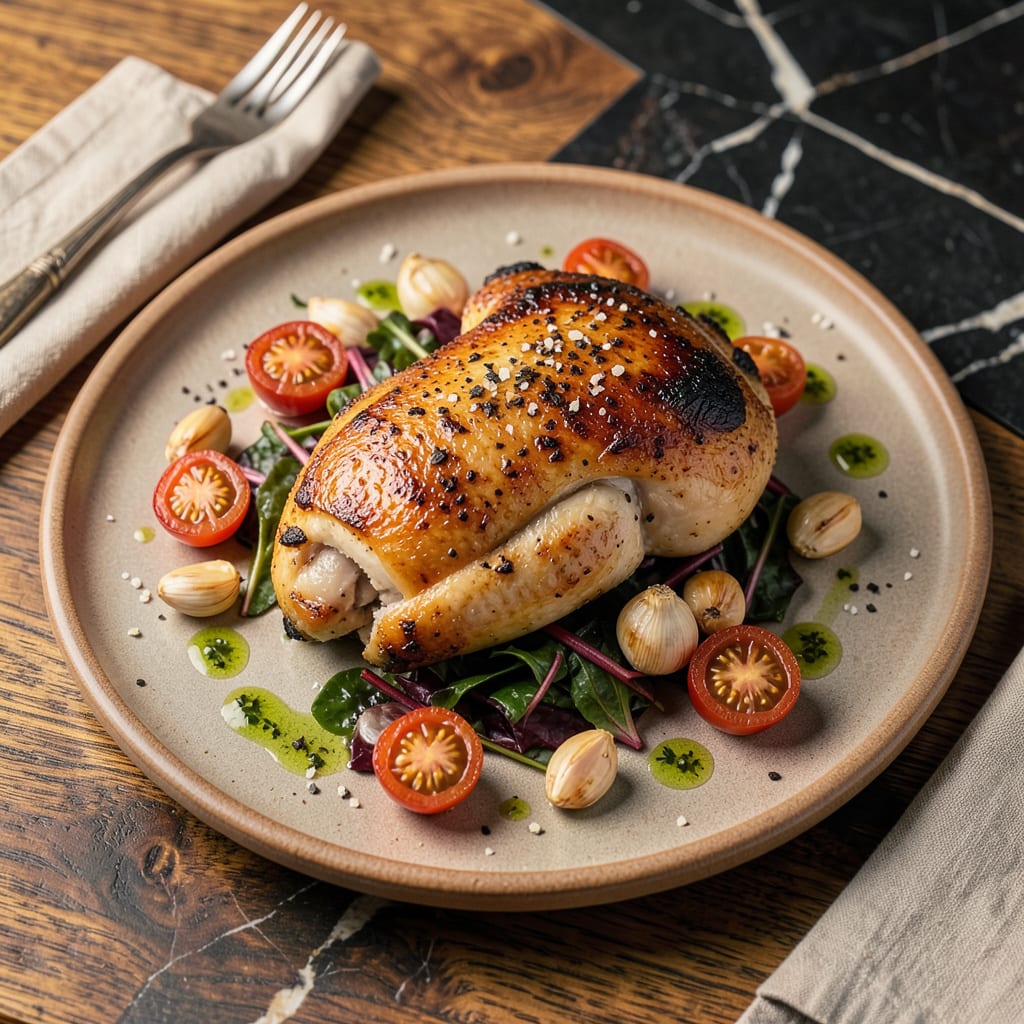
Chicken consumed one day past its use-by date may still be safe if stored properly at 40°F or below, but quality declines quickly. Always check for off odors, slimy texture, or discoloration before cooking. When in doubt, discard it to avoid foodborne illness.
I always emphasize that use-by dates are about quality, not an automatic safety cutoff. The USDA confirms that properly refrigerated chicken remains safe for 1-2 days beyond this date if handled correctly. What most people overlook is how temperature fluctuations—like leaving chicken in the car after grocery shopping—can dramatically shorten this window. 🔥
My rule of thumb: If the chicken passes the sniff test and feels dry rather than sticky, it’s likely still usable. But remember, pathogens like Salmonella don’t always change the smell or appearance, which is why I recommend cooking to 165°F internal temperature as your final safety check. This extra step gives me confidence when working with borderline dates.
💡 In This Article
- How Use-By Dates Work for Raw Chicken Safety
- Safe Handling Tips for Chicken Near Its Use-By Date
How Use-By Dates Work for Raw Chicken Safety
Use-by dates on chicken packaging aren’t federally regulated expiration deadlines—they’re manufacturer estimates for peak quality. The USDA explains these dates indicate when the producer guarantees optimal freshness, not when the product becomes unsafe.
What matters most is how the chicken was handled: properly refrigerated chicken at 40°F or below typically remains safe for 1-2 days beyond this date, while temperature abuse can make it dangerous before the date arrives. 🔥
The real risk comes from bacterial growth patterns. At refrigerator temperatures, bacteria like Salmonella multiply slowly, but their growth rate doubles every 20-30 minutes when left at room temperature. This is why the “danger zone” between 40°F and 140°F is so critical.
Spoilage bacteria (which cause off odors and slimy textures) are different from pathogenic bacteria (like Campylobacter) that can make you sick without obvious signs.
Here’s what most people miss: the date assumes perfect storage conditions. If your fridge runs warmer than 40°F, if the package was damaged, or if the chicken was thawed and refrozen, the safety window shrinks dramatically.
I’ve seen cases where chicken developed dangerous levels of bacteria within hours when left in a warm car or on a countertop during meal prep. ✨
The USDA’s FoodKeeper app recommends consuming raw chicken within 1-2 days of purchase, regardless of the printed date. This guideline accounts for typical home refrigerator conditions and handling practices. What’s fascinating is how freezing pauses this clock entirely—properly frozen chicken remains safe indefinitely, though quality may decline after 9-12 months due to freezer burn.
Pathogenic bacteria are the silent threat. While spoilage bacteria announce their presence with foul odors and slimy surfaces, dangerous bacteria like Salmonella and Campylobacter can be present without changing the chicken’s appearance or smell. This is why cooking to 165°F internal temperature is non-negotiable—it’s the only reliable way to destroy these invisible hazards. 💫
Consider this comparison: a sealed package of chicken stored at a consistent 38°F will maintain safety longer than chicken in a damaged package at 42°F, even if both have the same use-by date. The packaging integrity and precise temperature control make all the difference in how quickly bacteria can multiply and potentially produce toxins.
My professional tip: treat use-by dates as quality indicators rather than safety guarantees. The true safety depends on your refrigerator’s performance, how many times the door was opened, and whether the chicken was properly sealed.
When in doubt, remember that no meal is worth the risk of foodborne illness—your nose and thermometer are your best defense. ⚡

- Jollof Rice Sauce Recipe: West African Tomato and Spice Infusion - September 25, 2026
- Japanese Rice Soup Recipe: Umami-Rich Comfort in a Bowl - September 25, 2026
- Homemade Cream Of Rice Recipe: Silk-Smooth Breakfast in Minutes - September 25, 2026