
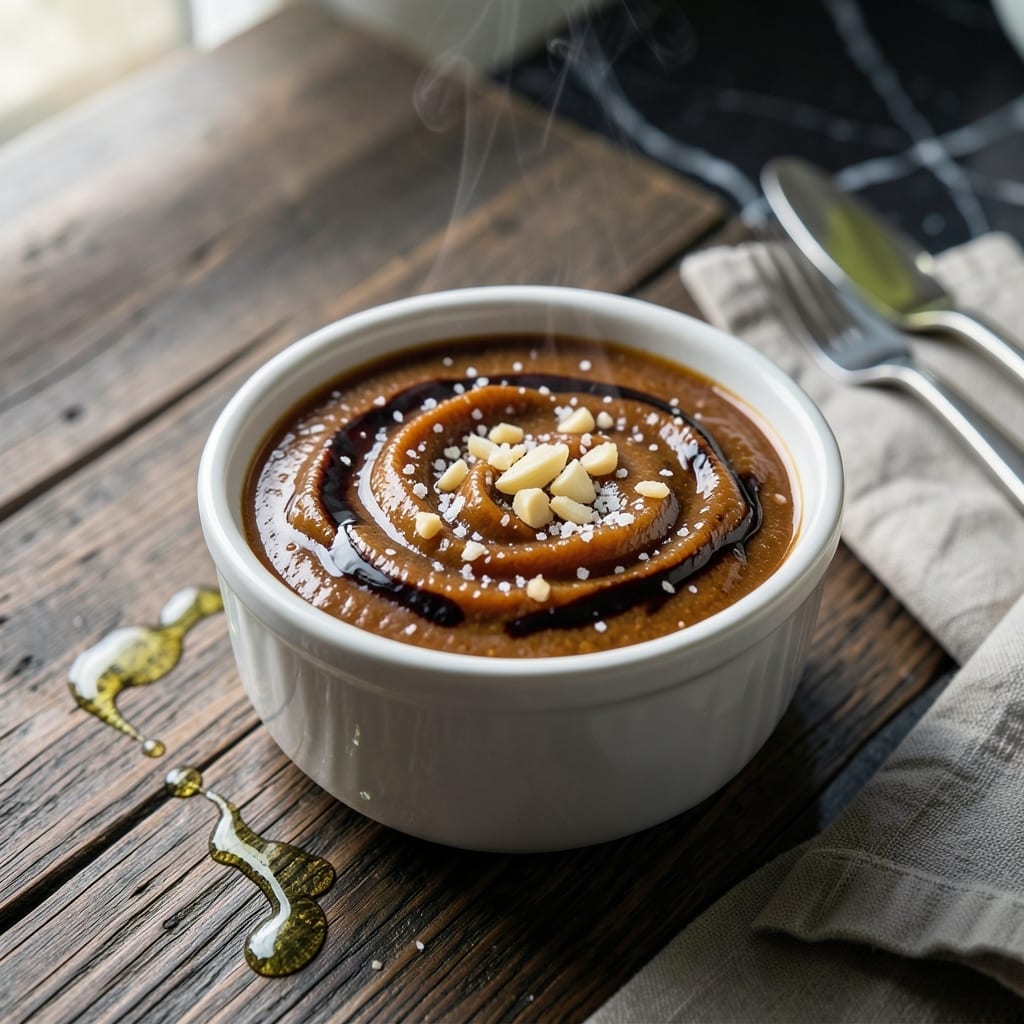
This sauce transforms plain rice into restaurant-quality fried rice with its perfect balance of savory, salty, and umami flavors. I developed this blend after years of experimenting to capture that authentic wok-hei taste.
The foundation combines soy sauce for saltiness, oyster sauce for depth, and a touch of sesame oil for aroma. A hint of sugar and white pepper rounds out the complexity without overpowering.
What you get is a versatile liquid seasoning that works with any protein or vegetable. The sauce clings beautifully to each grain of rice, ensuring every bite is packed with flavor.
Make a batch and keep it on hand for quick weeknight meals. This is the secret to consistently delicious fried rice at home.
Ingredients for Chinese Fried Rice Sauce
Nine ingredients capture authentic wok-hei flavor for restaurant-quality fried rice at home.
| Ingredient | Amount | Notes |
|---|---|---|
| Light Soy Sauce 🥢 | ½ cup | For saltiness base flavor |
| Oyster Sauce 🦪 | ¼ cup | Essential for umami depth |
| Dark Soy Sauce 🥢 | 2 tbsp | Adds color and complexity |
| Sesame Oil 🫒 | 1 tbsp | Toasted for aroma |
| Granulated Sugar 🍚 | 1 tbsp | Balances savory notes |
| White Pepper 🌶️ | ½ tsp | Freshly ground preferred |
| Shaoxing Wine 🍷 | 2 tbsp | Or dry sherry substitute |
| Garlic 🧄 | 3 cloves | Minced for pungency |
| Ginger 🌿 | 1 tbsp | Freshly grated root |
The soy sauces are non-negotiable here. Light soy sauce (like Pearl River Bridge or Kikkoman) for saltiness, dark soy sauce for color. Oyster sauce adds that signature depth—Lee Kum Kee is the gold standard. Find these at any Asian market or the international aisle at Kroger. Sesame oil should be toasted (check the label).
No oyster sauce? Vegetarian oyster sauce works, or mix hoisin with a splash of soy. Shaoxing wine can be dry sherry in a pinch. Skip the white pepper? Black pepper at half the amount is fine. Fresh ginger is best, but ground ginger at one-third the quantity gets you close. The garlic must be fresh—no powder here.
This keeps 2 weeks in the fridge in a sealed jar. The flavors meld and deepen over time. For longer storage, freeze in ice cube trays—pop out cubes as needed. Always give it a stir before using, as ingredients may separate.
Why You’ll Love This Recipe
- Five Minute Mix: I just dump these five ingredients in a bowl and stir—no cooking, no fuss.
- Umami Bomb: That first hit of oyster sauce and dark soy? Rich, salty, and a little sweet all at once.
- Endless Pairings: I toss it with leftover veggies, shrimp, or even scrambled eggs for a quick meal.
- Pantry Staples Only: Between us, I always have these bottles on hand, so dinner’s never far away.
Step-by-Step Instructions for Chinese Fried Rice Sauce
This method ensures a perfectly balanced sauce with deep umami and just the right sweetness.
Step 1: Bloom the Aromatics in Toasted Sesame Oil
Heat the 1 tbsp Sesame Oil in a small saucepan over medium-low heat until it shimmers and releases its fragrance. Add the 3 cloves Garlic and 1 tbsp Ginger, minced and grated respectively, stirring constantly for 30-45 seconds.
You want the mixture to turn golden and fragrant without browning—browned garlic becomes bitter. This brief cooking step mellows the sharpness of the raw aromatics while extracting their essential oils into the base.
Remove the pan from heat immediately once the aroma becomes pronounced. The residual heat will continue cooking the garlic and ginger slightly, so pulling it off early prevents overcooking.
Step 2: Deglaze with Shaoxing Wine
Pour the 2 tbsp Shaoxing Wine into the warm pan with the aromatics. Return it to medium heat and simmer for 1-2 minutes until the liquid reduces by about half. The alcohol will cook off, leaving behind its nutty complexity.
Stir occasionally to prevent the garlic from sticking to the bottom. You’ll notice the liquid transforming from watery to slightly syrupy as it reduces. This step builds the foundation for the sauce’s depth.
The wine also helps lift any browned bits from the pan, incorporating that flavor into your sauce. Don’t let it reduce completely—you want some liquid remaining to blend with the next ingredients.
Step 3: Combine the Soy Sauce Base
Add the 0.5 cup Light Soy Sauce, 0.25 cup Oyster Sauce, and 2 tbsp Dark Soy Sauce to the pan. Stir well to combine all the ingredients. The mixture will darken significantly as the dark soy sauce incorporates.
Bring the sauce to a gentle simmer over medium-low heat. You’ll see small bubbles forming at the edges first, then across the surface. This gentle cooking helps the flavors meld together without reducing the sauce too much.
Let it cook for 3-4 minutes until the sauce takes on a glossy appearance and the raw soy sauce smell dissipates. The oyster sauce will begin to thicken the mixture slightly, creating that characteristic velvety texture.
Step 4: Sweeten and Season to Finish
Stir in the 1 tbsp Granulated Sugar and 0.5 tsp White Pepper. The sugar will dissolve quickly in the warm liquid, but stir thoroughly to ensure even distribution throughout the sauce.
Taste the sauce at this point—it should have a perfect balance of salty, umami, and slightly sweet notes with a subtle peppery finish. The white pepper adds a gentle heat that complements the other flavors without overpowering them.
Simmer for an additional 1-2 minutes to allow the sugar to fully incorporate and the flavors to harmonize. The final sauce should coat the back of a spoon with a beautiful sheen, ready to transform your fried rice into something extraordinary.
Pro Tips For Making Chinese Fried Rice Sauce
- Heat the Sauces: I learned this the hard way—always warm your light and dark soy sauces slightly before mixing. Cold sauces blend unevenly with the sugar, leaving you with a grainy texture.
- Balance the Soy: Use a 2:1 ratio of light to dark soy sauce for color without overpowering saltiness. I was skeptical until I tried it, but it nails that classic fried rice flavor.
- Skip the Over-Sweetening: Granulated sugar dissolves faster than brown, but resist adding more than ½ teaspoon per tablespoon of soy—too much makes the sauce cloying instead of savory.
- Finish with Sesame: Stir in sesame oil last, off the heat. After burning three batches, I finally figured out that high heat turns its nutty aroma bitter.
Flavor Customization for This Recipe
Spicy Kick
Add 1 tsp chili garlic sauce or ½ tsp sriracha for heat. For a smoky depth, try 1 tbsp gochujang instead. I prefer Sriracha for consistent heat without overpowering the base flavors. 🌶️
Sweet & Tangy
Increase sugar to 2 tbsp for a sweeter profile, or add 1 tbsp rice vinegar for tang. A splash of pineapple juice adds fruity sweetness. The vinegar brightens the rich soy flavors beautifully.
Umami Boost
Add 1 tbsp fish sauce or 1 tsp MSG for extra depth. I recommend Red Boat fish sauce for its clean, pure flavor. This works especially well with seafood fried rice variations.
Herb Infusion
Stir in 1 tbsp chopped cilantro or 1 tsp five-spice powder at the end. Fresh herbs add brightness, while five-spice brings warm complexity. The cilantro should be added just before using the sauce.
Citrus Twist
Finish with 1 tsp orange zest or 1 tbsp lime juice for acidity. This cuts through the richness and adds a fresh dimension. I love the orange zest with chicken fried rice. 💡
Mild Version
Reduce oyster sauce to 2 tbsp and skip the dark soy for a lighter flavor. This works well for kids or those sensitive to strong umami. The sauce will be less complex but still delicious.
Nutrition Facts
Frequently Asked Questions
Can I substitute regular soy sauce for light soy sauce?
Use low-sodium soy sauce as a substitute, but reduce other salty ingredients. Regular soy sauce is saltier and may overpower the balance. Taste and adjust seasoning accordingly.
How long does this sauce last in the fridge?
It keeps well for 2 weeks in an airtight container. For longer storage, freeze in ice cube trays for up to 3 months. Always stir before using.
Why is Shaoxing wine important?
It adds nutty complexity and helps mellow harsh flavors. Substitute with dry sherry if needed, but avoid cooking wine—it lacks depth. The alcohol cooks off, leaving rich flavor behind.
Can I make this without oyster sauce?
Yes! Use vegetarian oyster sauce or mix hoisin with soy sauce. The flavor won’t be identical, but it’ll still be delicious. Adjust sweetness to taste.

- Rice Pudding Recipe With Eggs and Milk: Old-Fashioned Custard-Style Comfort - September 30, 2026
- Rice Noodle Sauce Recipe: Bold Umami Depth for Authentic Stir-Fry - September 30, 2026
- Rice Pilaf Recipe: Fragrant Basmati With Toasted Vermicelli - September 30, 2026