
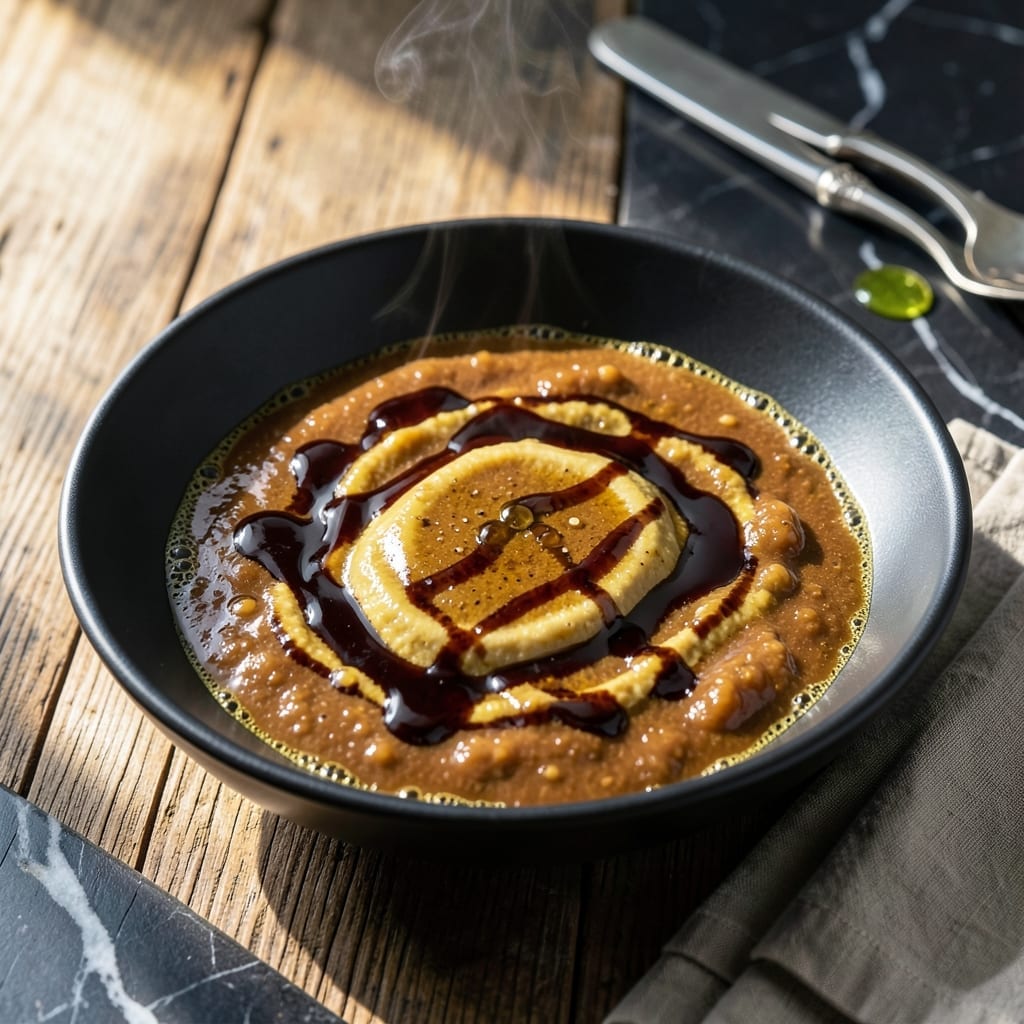
This sauce transforms ordinary rice into restaurant-quality stir fry. I developed it after years of testing takeout-style flavors at home, focusing on the perfect umami balance.
The foundation is a precise blend of soy sauce, sesame oil, and rice vinegar. These simple ingredients create complex layers of bold flavor that coat every grain of rice without overpowering.
What you get is a versatile sauce that works with any protein or vegetable. It’s the secret to achieving that authentic wok-seared taste in your own kitchen.
Make a batch and keep it on hand for quick, perfect stir fry any night of the week.
Ingredients for Stir Fried Rice Sauce
These ten ingredients create that bold, restaurant-quality umami sauce you crave every time.
| Ingredient | Amount | Notes |
|---|---|---|
| Low-Sodium Soy Sauce 🫒 | ½ cup | For balanced saltiness |
| Dark Soy Sauce 🫒 | 2 tbsp | Adds depth and color |
| Sesame Oil 🫒 | 1 tbsp | Toasted for nutty aroma |
| Rice Vinegar 🫒 | 3 tbsp | Mild and slightly sweet |
| Oyster Sauce 🫒 | 2 tbsp | Essential umami boost |
| Hoisin Sauce 🫒 | 1 tbsp | Sweet and savory balance |
| Granulated Sugar 🍚 | 1 tbsp | Balances acidity and salt |
| Minced Garlic 🧄 | 2 tsp | Freshly minced preferred |
| Grated Fresh Ginger 🌿 | 1 tsp | Zesty and aromatic |
| White Pepper 🌶️ | ½ tsp | Subtle heat without color |
The soy sauces are non-negotiable here. Low-sodium soy sauce keeps the salt in check while dark soy sauce adds that deep color and caramelized flavor—look for Pearl River Bridge or Lee Kum Kee at any Asian market. Oyster sauce is the umami backbone, so don’t skip it. Vegetarian oyster sauce works if that’s your preference. Sesame oil should be toasted, not raw—Kadoya is a reliable brand.
No oyster sauce? Fish sauce plus a pinch of sugar gets you close. Swap hoisin for extra brown sugar and a dash of five-spice if needed. Fresh ginger and garlic are ideal, but jarred minced versions work in a pinch—just use half the amount. The rice vinegar can be seasoned (it’s already slightly sweet), but plain is fine too. Skip the white pepper? Black pepper works, but the flavor profile shifts slightly.
This sauce keeps beautifully. Store in an airtight container in the fridge for up to 2 weeks. For longer storage, freeze in ice cube trays, then transfer to a bag—good for 3 months. Shake before using, as the ingredients may separate.
Why You’ll Love This Recipe
- Five-Minute Mix: I just dump all the sauces in a bowl—soy, oyster, sesame, vinegar—and it’s ready before the rice even hits the pan.
- Umami Bomb: That first hit of dark soy with oyster sauce? Honestly, it’s the reason I make extra rice just to soak it up.
- Fridge Cleaner: Toss in whatever veggies or proteins are lingering, and this sauce makes it taste intentional every time.
Step-by-Step Instructions for Stir Fried Rice Sauce
This method guarantees a rich, complex sauce with layers of umami that will transform your fried rice.
Step 1: Bloom Aromatics in Sesame Oil
Heat a small saucepan over medium-low heat and add the 1 tbsp Sesame Oil. The oil should shimmer but not smoke—this preserves its delicate nutty aroma.
Add the 2 tsp Minced Garlic and 1 tsp Grated Fresh Ginger. Stir constantly for 30-45 seconds until the garlic turns fragant and just begins to turn golden at the edges. Don’t let it brown or it will turn bitter.
This step releases the essential oils in the aromatics, creating a flavor base that will infuse the entire sauce with depth and complexity.
Step 2: Combine Soy Sauces and Vinegar
Pour in the 0.5 cup Low-Sodium Soy Sauce, 2 tbsp Dark Soy Sauce, and 3 tbsp Rice Vinegar. Stir well to combine, scraping up any browned bits from the bottom of the pan.
The Low-Sodium Soy Sauce provides balanced saltiness, while the Dark Soy Sauce adds a deep, molasses-like richness and that signature dark color. The Rice Vinegar brings a mild acidity that brightens all the flavors.
Simmer the mixture for 2-3 minutes to allow the flavors to meld together and the vinegar to mellow slightly.
Step 3: Incorporate Umami-Rich Sauces and Sweeten
Add the 2 tbsp Oyster Sauce, 1 tbsp Hoisin Sauce, and 1 tbsp Granulated Sugar. Stir continuously until the sugar fully dissolves and the mixture becomes glossy.
The Oyster Sauce contributes an intense umami depth, while the Hoisin Sauce adds sweetness and a hint of five-spice complexity. The Granulated Sugar balances the acidity from the vinegar and rounds out the salty elements.
Let the sauce simmer for another 2 minutes until it thickens slightly and develops a beautiful sheen.
Step 4: Finish with White Pepper and Cool Slightly
Remove the saucepan from heat and stir in the 0.5 tsp White Pepper. This adds a subtle, earthy heat without altering the sauce’s color, unlike black pepper.
Let the sauce cool for 5 minutes before using. This resting period allows the flavors to fully harmonize. You’ll notice the sauce becomes slightly thicker as it cools, perfect for coating every grain of rice.
Taste and adjust seasoning if needed, though the balance of salty, sweet, sour, and umami should be spot on for your wok dishes.
Pro Tips For Making Stir Fried Rice Sauce
- Heat the Oyster Sauce: Warm the oyster sauce slightly in a small pan before mixing—it blends smoother into the other ingredients and actually changes the outcome.
- Balance the Soy Sauces: Use a 2:1 ratio of low-sodium to dark soy sauce for depth without overpowering saltiness; I learned this the hard way after ruining a batch with too much dark.
- Add Sesame Oil Last: Stir in the sesame oil at the very end, off the heat, to preserve its nutty aroma—my grandmother swore by this, and she was right.
- Skip the Cold Vinegar: Bring rice vinegar to room temperature first, or it can cause the sauce to look cloudy when mixed with the oils.
Pro Cooking Tips for stir fried rice sauce
Perfectly Bloom Aromatics
Always heat your sesame oil over medium-low heat first. Add garlic and ginger only when the oil shimmers—this prevents burning. I learned this the hard way in my tiny Boston kitchen. 🔥
Layer Your Soy Sauces
Combine low-sodium soy sauce and dark soy sauce separately before adding to the pan. The dark soy is thicker and needs to fully incorporate with the lighter version for even flavor distribution.
Control the Simmer
Maintain a gentle simmer, not a rolling boil, when adding vinegar and sauces. A boil can make the oyster sauce separate. Use a small saucepan to better control the heat.
Sugar Dissolution Trick
Stir the sugar into the warm liquid off-heat first. This prevents graininess and ensures a smooth, glossy finish. Return to heat only after it’s fully dissolved.
Rest Before Using
Let the sauce cool for 5-10 minutes after adding white pepper. This resting time lets flavors meld completely. I taste-test after cooling—it’s always more balanced. 💡
Storage Pro Tip
If making ahead, store in a glass jar. The acids in vinegar can react with metal containers over time, affecting flavor. Always shake before using as ingredients may settle.
Nutrition Facts
Frequently Asked Questions
Can I make this ahead of time?
Store it in a glass jar in the fridge for up to 2 weeks. Shake before using as ingredients may settle.
What if I don’t have oyster sauce?
Use fish sauce plus a pinch of sugar as a substitute. This mimics the umami depth and saltiness of oyster sauce.
Why use both soy sauces?
Low-sodium soy controls saltiness while dark soy adds color and caramelized richness. Together they create balanced, complex flavor.
Is the sauce too strong for kids?
Reduce oyster sauce by half and add 1 tsp honey for a milder, sweeter version that kids love.

- Rice Pudding Recipe With Eggs and Milk: Old-Fashioned Custard-Style Comfort - September 30, 2026
- Rice Noodle Sauce Recipe: Bold Umami Depth for Authentic Stir-Fry - September 30, 2026
- Rice Pilaf Recipe: Fragrant Basmati With Toasted Vermicelli - September 30, 2026