
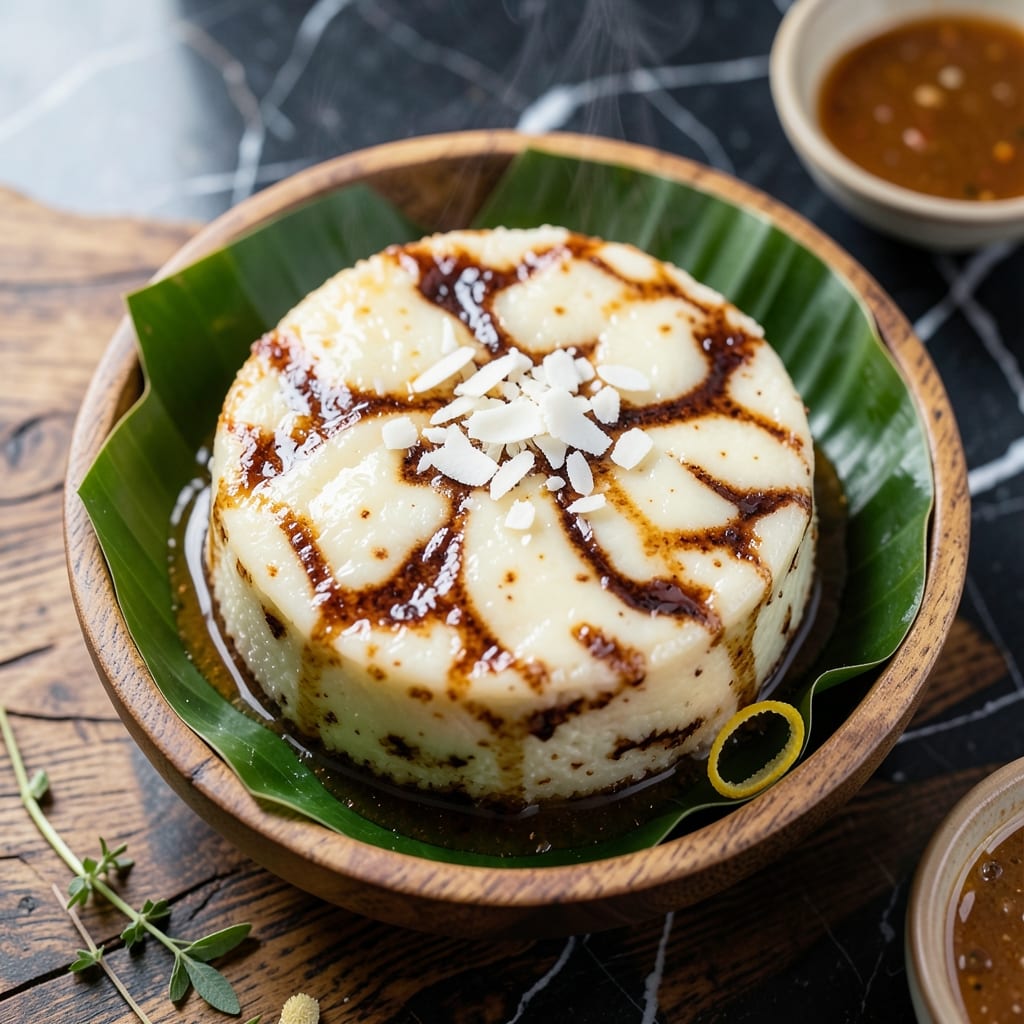
This traditional Filipino dessert showcases the unique combination of glutinous rice flour and rich coconut milk. The result is a sweet, chewy treat that captures the essence of Filipino culinary heritage.
Using simple ingredients and authentic techniques, this recipe delivers a texture that’s both tender and satisfying. The coconut milk adds a creamy depth that perfectly balances the subtle sweetness of the rice flour base.
Ingredients for Filipino Recipe with Rice Flour
Simple pantry ingredients transform into a traditional Filipino dessert with rich, authentic flavor.
| Ingredient | Amount | Notes |
|---|---|---|
| Glutinous Rice Flour 🌾 | 2 cups | Also called sweet rice flour |
| Coconut Milk 🥥 | 2 cups | Full-fat for richness |
| Granulated Sugar 🍚 | 1 cup | Adjust to taste preference |
| Brown Sugar 🟤 | ½ cup | Packed, for depth of flavor |
| Water 💧 | 1 ½ cups | For adjusting consistency |
| Vanilla Extract 🌿 | 1 tsp | Pure extract preferred |
| Salt 🧂 | ¼ tsp | Fine sea salt recommended |
| Pandan Extract 🌿 | 1 tsp | Optional for authentic flavor |
| Shredded Coconut 🥥 | ½ cup | Sweetened or unsweetened |
| Butter 🧈 | 2 tbsp | For greasing the pan |
| Cornstarch 🌽 | 1 tbsp | For thickening if needed |
Glutinous rice flour is non-negotiable here—look for it labeled as sweet rice flour in the Asian aisle of Whole Foods or H Mart. The coconut milk should be full-fat for that luxurious texture; Thai brands like Aroy-D or Chaokoh are reliable. Avoid light coconut milk, as the reduced fat content won’t deliver the same creamy depth that defines this dessert.
No glutinous rice flour? Regular rice flour works in a pinch, but the texture won’t be as chewy. Swap brown sugar for white if that’s what you have (the molasses notes add complexity). Pandan extract can be tricky to find—check Filipino markets or online retailers like Amazon. If unavailable, a drop of almond extract adds a subtle floral note that mimics pandan’s aroma.
Store glutinous rice flour in an airtight container in a cool, dry place for up to 6 months. Coconut milk cans last 1 year unopened, but once opened, transfer to the fridge and use within 5 days. The finished dessert keeps well, covered, at room temperature for 2 days.
Why You’ll Love This Recipe
- Five-Minute Mix: I dump the rice flour, coconut milk, and sugars in one bowl—no fancy steps, just stir and steam.
- Sticky Sweet Magic: That combo of brown sugar and coconut milk gives it a caramel-like richness that’s ridiculously good.
- Feeds a Party: I make a big batch for potlucks, and it disappears faster than I can explain what it’s called.
- Keeps Like a Dream: Leftovers stay soft for days, and honestly, it tastes even better the next morning with my coffee.
Step-by-Step Instructions for Filipino Rice Flour and Coconut Dessert
Master this traditional method for a perfectly textured coconut-rice flour sweet treat every time.
Step 1: Create the Rice Flour Base
In a large mixing bowl, whisk together the 2 cups Glutinous Rice Flour, 1 cup Granulated Sugar, and 0.5 cup Brown Sugar until fully combined. The brown sugar should be packed firmly into the measuring cup for accurate sweetness.
Gradually add the 2 cups Coconut Milk while whisking continuously to prevent lumps from forming. The mixture will thicken as the glutinous rice flour absorbs the liquid. This creates the signature chewy texture characteristic of Filipino rice flour desserts.
Stir in the 1.5 cups Water, 1 tsp Vanilla Extract, 0.25 tsp Salt, and 1 tsp Pandan Extract until the batter is smooth and uniform in color. The pandan extract adds an authentic floral aroma that defines this traditional preparation.
Step 2: Prepare the Cooking Surface
Grease a 9×13-inch baking dish or steaming tray generously with the 2 tbsp Butter, ensuring all surfaces are thoroughly coated. This prevents sticking and adds a rich, buttery flavor to the finished dessert.
Sprinkle half of the 0.5 cup Shredded Coconut evenly across the bottom of the prepared pan. The coconut will toast slightly during cooking, enhancing its natural sweetness and adding texture to each bite.
Step 3: Cook the Mixture to Perfection
Pour the rice flour batter over the shredded coconut in the prepared pan. The mixture should be about ½-inch thick—adjust the pan size if necessary to achieve this depth for even cooking.
Steam the mixture over boiling water for 45-50 minutes until the center is set and a toothpick inserted comes out clean. Alternatively, bake at 350°F for 40-45 minutes if steaming isn’t an option. The surface should appear slightly glossy with a firm, jelly-like consistency.
Step 4: Add the Finishing Touches
Once cooked through, remove from heat and let cool for 10 minutes. Sprinkle the remaining 0.5 cup Shredded Coconut evenly over the top while still warm so it adheres slightly to the surface.
For a thicker consistency, mix the 1 tbsp Cornstarch with 2 tbsp of the reserved coconut milk (from the original 2 cups) and stir this slurry into the warm dessert. Return to heat for 2-3 minutes until the desired thickness is achieved, stirring constantly to prevent lumps.
Step 5: Serve and Enjoy
Allow the dessert to cool completely to room temperature before slicing into squares. The texture should be firm yet slightly springy to the touch, with a glossy sheen that indicates proper cooking.
Serve at room temperature for the best flavor and texture. Each piece should have a balanced sweetness from the sugars, a subtle floral note from the pandan, and a rich coconut flavor throughout. The contrast between the chewy interior and slightly crisp coconut topping makes this dish truly special.
Pro Tips For Making Filipino Recipe With Rice Flour
- Pre-cook the flour: Toast the glutinous rice flour in a dry pan for 2-3 minutes before mixing. I learned this the hard way—raw flour can leave a starchy aftertaste that ruins the coconut flavor.
- Warm the coconut milk: Heat the coconut milk slightly before combining with the flour. After burning three batches, I finally figured out cold milk makes the mixture clump and never smooths out properly.
- Don’t over-sweeten early: Use half the granulated sugar at first, then adjust. My grandmother swore by this, and she was right: the brown sugar caramelizes and can make it too sweet if you’re not careful.
- Rest the batter: Let the mixture sit for 10-15 minutes after combining. Sounds weird, but it works—the rice flour absorbs the liquids better, and the texture comes out just right.
Health Benefits of This filipino recipe with rice flour
Gluten-Free Goodness
This dessert is naturally gluten-free thanks to the glutinous rice flour base, making it perfect for anyone with celiac disease or gluten sensitivity. The flour itself contains no wheat proteins, only the sticky starches that create its signature texture. I love sharing this with gluten-free friends who often miss out on traditional desserts. 💪
Energy Boost
The coconut milk provides healthy medium-chain triglycerides that your body quickly converts into energy. Combined with the complex carbohydrates from rice flour, this treat offers sustained energy release rather than a sugar crash. A single serving gives you that perfect afternoon pick-me-up.
Rich in Antioxidants
Coconut contains phenolic compounds and vitamin E that combat oxidative stress. The brown sugar also contributes small amounts of calcium, potassium, and iron. These antioxidants help protect your cells from damage while you enjoy this sweet indulgence.
Digestive Benefits
Rice flour is gentle on the stomach and easy to digest, making this dessert suitable for those with sensitive digestive systems. The fiber in coconut supports gut health. I’ve found this treat particularly comforting after meals when I want something sweet but light.
Heart Healthy Fats
The coconut milk provides lauric acid, a medium-chain fatty acid that may help raise HDL (good) cholesterol levels. While still a treat, these fats are processed differently by your body compared to other saturated fats. 💛
Low Glycemic Impact
Despite its sweetness, the combination of fats from coconut and complex carbs from rice flour helps moderate blood sugar spikes. The pandan extract may also have blood sugar regulating properties, adding another layer of benefit to this traditional dessert.
Nutrition Facts
Frequently Asked Questions
Can I use regular rice flour instead of glutinous?
You can, but the texture won’t be as chewy. Glutinous rice flour creates that signature stretchy consistency. Regular rice flour works in a pinch for a firmer result.
Why is my dessert too runny?
This usually means it needs more cooking time. Steam or bake until the center sets completely, about 45-50 minutes. For quick fixes, mix 1 tbsp cornstarch with 2 tbsp coconut milk and stir in.
How do I store leftovers?
Keep covered at room temperature for up to 2 days. For longer storage, refrigerate for 5 days or freeze for 1 month. Reheat gently before serving.
Can I make this without pandan extract?
Yes! Skip it or substitute with a drop of almond extract for a similar floral note. The dessert will still be delicious without it.

- Fresh Turmeric Rice Recipe: Golden Grains with Earthy Warmth - October 7, 2026
- French Onion Brown Rice Recipe: Umami-Rich Grains With Caramelized Depth - October 7, 2026
- Rice Noodle Soup Recipe: Aromatic Broth with Silky Strands - October 7, 2026