
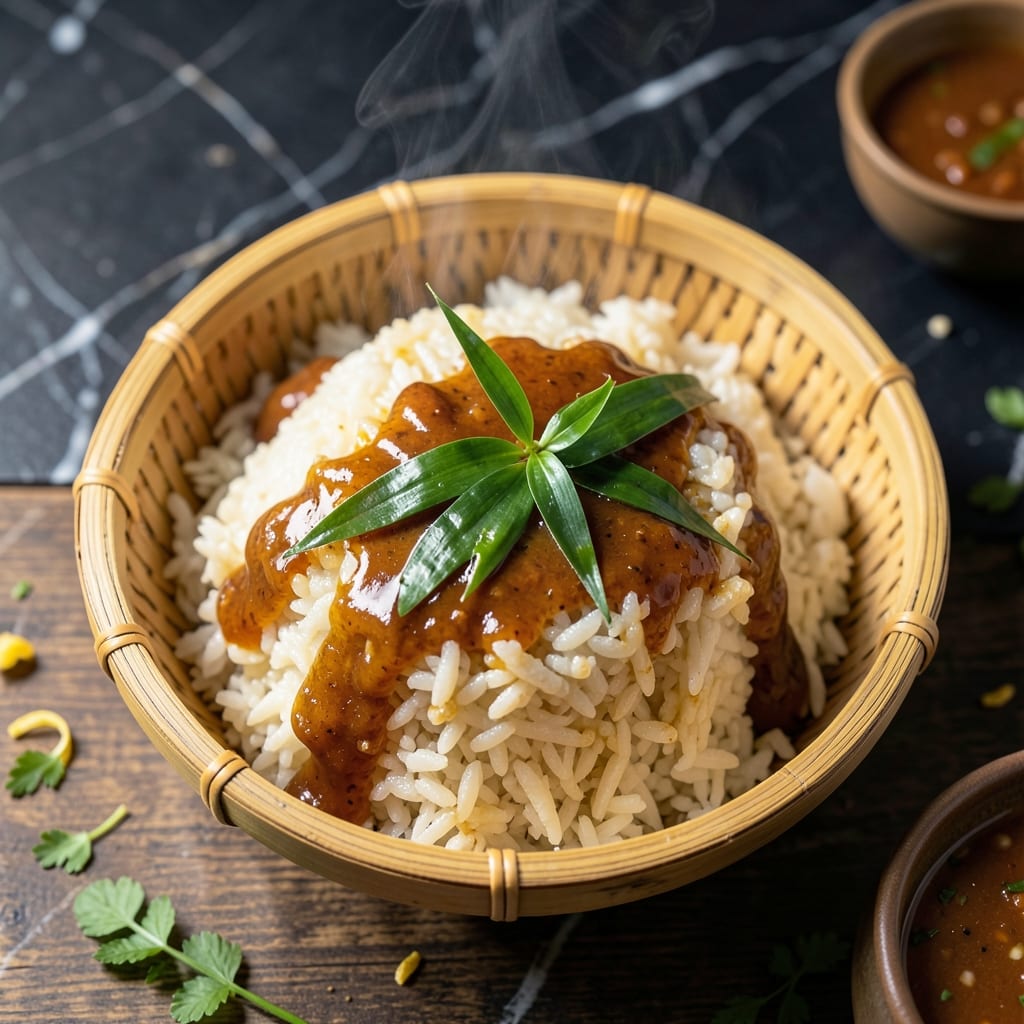
There’s something special about the way coconut milk transforms simple glutinous rice into a fragrant, slightly sweet treat. This traditional Filipino method delivers tender, sticky bites that hold their shape beautifully, with a subtle richness that’s hard to resist.
The secret lies in soaking the rice overnight and steaming it with just the right amount of coconut milk. The process ensures every grain absorbs the creamy, tropical flavor without becoming mushy, resulting in a texture that’s both soft and chewy.
What you’ll love most is how this dish balances sweetness and savory notes, making it perfect as a dessert or a snack. The aroma alone will transport you to a Filipino kitchen, where simple ingredients create unforgettable flavors.
Ready in under an hour after soaking, it’s a rewarding project with a delicious payoff.
Ingredients for Filipino Sticky Rice
Simple pantry staples turn into fragrant, sweet coconut bites with minimal effort.
| Ingredient | Amount | Notes |
|---|---|---|
| Glutinous Rice 🍚 | 2 cups | Sweet or sticky variety |
| Coconut Milk 🥥 | 1 ½ cups | Full-fat, canned preferred |
| Water 💧 | 1 cup | For soaking rice |
| Brown Sugar 🍚 | ½ cup | Packed, for sweetness |
| Salt 🧂 | ½ tsp | Balances sweetness |
| Pandan Leaves 🌿 | 2 pieces | Optional, for aroma |
| Coconut Flakes 🥥 | ¼ cup | Toasted, for garnish |
| Mango Slices 🥭 | 1 cup | Fresh, for serving |
| Sesame Seeds 🌰 | 1 tbsp | Toasted, for garnish |
| Vanilla Extract 🌿 | 1 tsp | Pure extract preferred |
The glutinous rice is key here. Asian markets carry it in bulk bins, but most Whole Foods or larger supermarkets stock it in the international aisle too. Look for Thai or Vietnamese brands—they’re usually the freshest. Don’t confuse it with regular rice; the texture won’t be the same. Coconut milk should be full-fat (the canned kind) for that creamy richness the dish needs.
No pandan leaves? Vanilla extract or a splash of coconut extract adds a similar aromatic depth. Brown sugar can be swapped for coconut sugar at a 1:1 ratio. If you’re avoiding sugar, maple syrup at three-quarters the amount works, though it’ll change the texture slightly. The mango is optional but adds a bright contrast—ripe pineapple is a great alternative.
This keeps 3-4 days at room temperature in an airtight container. For longer storage, refrigerate for up to 1 week or freeze for 1 month. Reheat by steaming briefly to restore the soft, chewy texture.
Why You’ll Love This Recipe
- One-Pot Wonder: I just dump the glutinous rice, coconut milk, and water in a pot and let it steam—no fuss, no fancy tools.
- Sweet Coconut Bliss: The brown sugar melts into the coconut milk, giving every bite that rich, caramel-like sweetness I crave.
- Breakfast or Dessert: I serve this sticky rice warm for breakfast with mango or chilled as a dessert—honestly, it works both ways.
- Budget Stretcher: A pound of glutinous rice and a can of coconut milk feeds my whole family for pennies per serving.
Step-by-Step Instructions for Sweet Coconut Sticky Rice
Here’s the method I use for perfectly tender, fragrant rice every time.
Step 1: Soak the Glutinous Rice
Rinse the 2 cups Glutinous Rice under cold water until the water runs clear. This removes excess starch and prevents a gummy texture. Drain well, then transfer to a bowl with the 1 cup Water.
Add the 2 pieces Pandan Leaves to the soaking water for subtle aroma. Let it soak for at least 30 minutes (up to 2 hours is even better). The rice should plump slightly but not absorb all the water. This step ensures even cooking and a tender bite.
Step 2: Steam the Rice Until Tender
Drain the soaked rice, discarding the pandan leaves and soaking water. Transfer the rice to a steamer basket lined with cheesecloth or a clean kitchen towel to prevent sticking.
Steam over boiling water for 20-25 minutes until the rice is tender and slightly translucent. Check by pressing a grain between your fingers—it should feel soft with no hard center. If it’s undercooked, steam for another 5 minutes and recheck.
Step 3: Prepare the Coconut Sugar Mixture
While the rice steams, combine the 1.5 cups Coconut Milk, 0.5 cup Brown Sugar, 0.5 tsp Salt, and 1 tsp Vanilla Extract in a saucepan. Heat over medium-low heat, stirring until the sugar dissolves completely and the mixture is warm but not boiling.
Taste and adjust sweetness if needed, but remember the rice will absorb more flavor as it sits. Remove from heat and set aside. This coconut mixture is what makes the dish rich and fragrant.
Step 4: Combine Rice and Coconut Mixture
Transfer the steamed rice to a large bowl. Pour the warm coconut mixture over the rice and gently fold with a spatula until every grain is coated. The rice will look glossy and slightly wet—this is normal.
Let it sit for 10 minutes to absorb the liquid. The rice should be sticky but not soupy. If it seems too wet, let it sit for another 5 minutes. The pandan aroma will be subtle but present in the background.
Step 5: Serve with Toppings
Divide the sticky rice into serving bowls. Top with 1 cup Mango Slices, 0.25 cup Coconut Flakes, and 1 tbsp Sesame Seeds. The contrast of cool, juicy mango with warm, creamy rice is what makes this dish special.
Serve immediately while the rice is still warm. The coconut flakes will soften slightly from the steam, and the sesame seeds add a delicate crunch. For best texture, enjoy within an hour of assembly.
Pro Tips For Making Filipino Sticky Rice
- Soak the Rice: Give the glutinous rice a good 4-6 hour soak in water—it cuts the cooking time in half and guarantees that sticky, tender texture you want.
- Use Full-Fat Coconut Milk: I learned this the hard way—light coconut milk just doesn’t deliver the same rich, creamy consistency that makes this dish special.
- Watch the Sugar: Brown sugar can burn easily, so stir it into the coconut milk before adding to the rice to prevent clumping or bitter spots.
- Steam, Don’t Boil: After simmering, let it steam covered for 10 minutes off the heat—this lets the rice absorb all the liquid without turning mushy.
Pro Cooking Tips for filipino sticky rice
Rice Soaking Secrets
I always soak glutinous rice for at least 2 hours—this is non-negotiable for even texture. Use 1 cup water per 2 cups rice and add pandan leaves for authentic aroma. The grains should plump but not split. 💡
Steamer Setup
Line your steamer basket with cheesecloth or a clean towel to prevent sticking. Bring water to a rolling boil before adding the basket. Keep the lid slightly ajar to avoid condensation dripping back onto the rice.
Coconut Mixture Timing
Start heating the 1.5 cups coconut milk mixture while rice steams. Dissolve ½ cup brown sugar over medium-low heat—never let it boil. The warmth helps the rice absorb flavors faster when combined.
Folding Technique
Use a silicone spatula to gently fold the coconut mixture into rice. Press down slightly to help absorption but don’t stir vigorously—this breaks the grains. Let it rest 10 minutes before serving.
Doneness Test
Check rice by pressing a grain between fingers—it should feel tender with no hard center. If undercooked, steam 5 more minutes. The coconut mixture should be fully absorbed but not soupy. ✨
Serving Temperature
Serve warm for best texture. The coconut flakes will soften slightly from the steam. If making ahead, reheat by steaming briefly to restore the soft, chewy texture.
Nutrition Facts
Frequently Asked Questions
Can I use regular rice instead?
No, regular rice won’t give the same sticky texture. Glutinous rice is essential for that chewy consistency. You’ll find it in Asian markets or the international aisle of most supermarkets.
Why soak the rice overnight?
Soaking ensures even cooking and a tender bite. 2 hours is the minimum, but overnight works best. Skipping this step can result in undercooked or unevenly textured rice.
Can I make this without a steamer?
Yes! Use a colander over a pot of boiling water, covered with a lid. Or cook in a rice cooker with a 1:1 rice-to-water ratio, but steaming gives the best texture.
How do I store leftovers?
Keep in an airtight container at room temperature for up to 3 days. For longer storage, refrigerate for 1 week or freeze for 1 month. Reheat by steaming briefly.

- Glutinous Rice Flour Bread Recipe: Soft Pillows with Nutty Depth - October 12, 2026
- Green Rice Casserole Recipe: Cheesy Baked Comfort with Vibrant Herbs - October 12, 2026
- Glutinous Rice Coconut Milk Recipe: Chewy Sweetness With Tropical Depth - October 12, 2026