
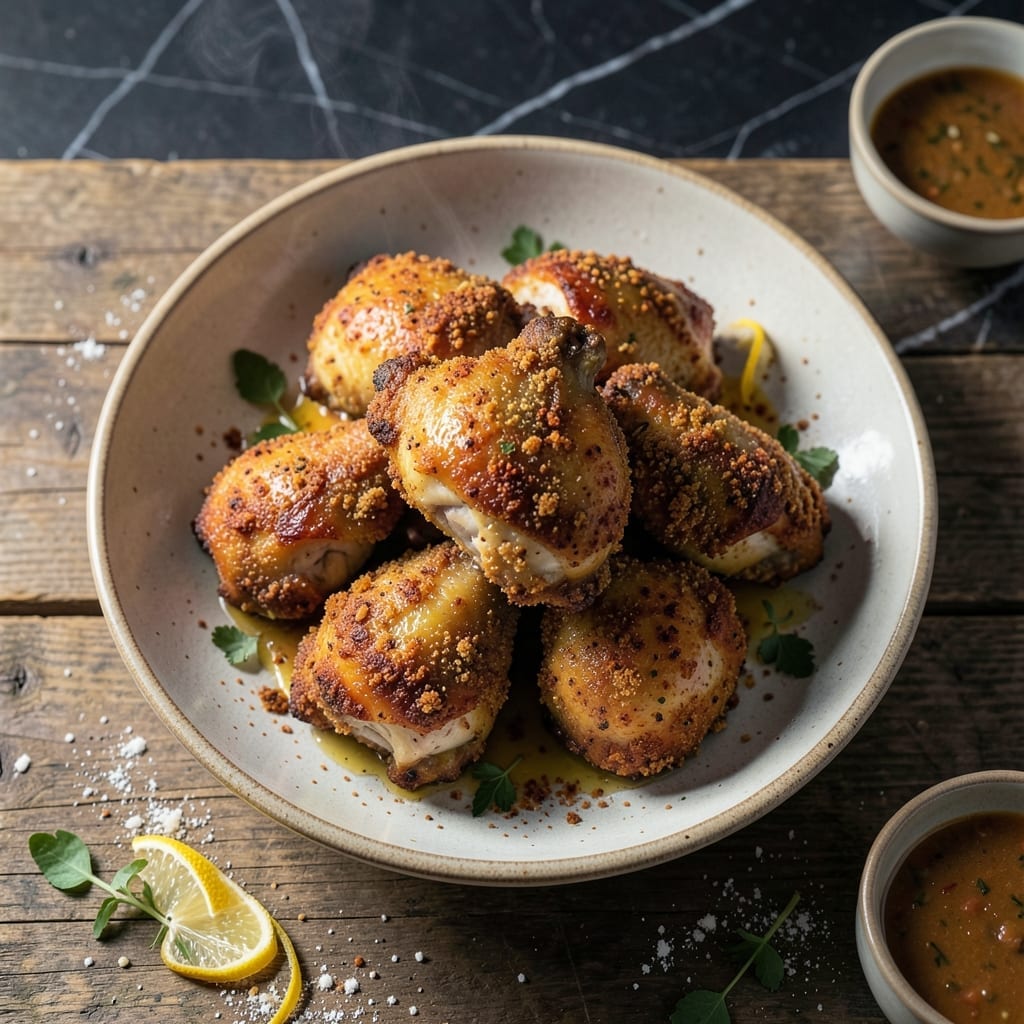
Achieving crispy fried chicken at home is simpler than you think with the right technique.
I’ve perfected a method that delivers golden, shatteringly crispy results every time—no deep fryer required. A hot skillet, the right oil temperature, and a well-seasoned coating make all the difference.
This approach ensures juicy meat inside and a perfectly crispy crust outside. The key is maintaining consistent heat and avoiding overcrowding the pan.
Serve with classic sides like mashed potatoes or coleslaw for a complete meal.
Ingredients for Frying Chicken Recipe Ideas
A handful of pantry staples and a hot skillet deliver that signature crunch.
| Ingredient | Amount | Notes |
|---|---|---|
| Chicken Thighs 🍗 | 2 lb | Boneless, skin-on for crispiness |
| Buttermilk 🥛 | 1 ½ cups | Full-fat for tenderizing |
| All-Purpose Flour 🌾 | 2 cups | Plus extra for dredging |
| Cornstarch 🌽 | ½ cup | For extra crunch |
| Paprika 🌶️ | 1 tbsp | Sweet or smoked variety |
| Garlic Powder 🧄 | 1 tbsp | Freshly ground preferred |
| Onion Powder 🧅 | 1 tbsp | Fine powder consistency |
| Salt 🧂 | 1 tbsp | Diamond Crystal preferred |
| Black Pepper 🌶️ | 1 tsp | Freshly cracked for best flavor |
| Cayenne Pepper 🔥 | ¼ tsp | Adjust to heat preference |
| Vegetable Oil 🫒 | 2 cups | High smoke point for frying |
| Large Eggs 🥚 | 2 whole | Beaten for egg wash |
The chicken itself is critical. Thighs with skin-on yield the crispest results—breasts dry out too easily. Source from Whole Foods or a trusted butcher for consistent quality. Buttermilk is non-negotiable for tenderizing; full-fat versions from Organic Valley or local dairies perform best. The flour should be all-purpose, but a portion of cornstarch in the dredge amplifies the crunch factor significantly.
No buttermilk? Whole milk plus a tablespoon of vinegar per cup works in a pinch. Swap paprika for smoked if you prefer depth. Diamond Crystal salt is ideal for even seasoning—its coarse texture adheres better to the coating. For oil, peanut oil is a professional favorite for its high smoke point, but vegetable or canola work too. Skip the eggs? A splash of buttermilk in the flour does the trick.
Marinate the chicken in buttermilk for 4-12 hours for maximum tenderness. Leftovers keep in the fridge for 3-4 days but lose crispiness—reheat in a toaster oven to revive. Freeze cooked pieces for up to 3 months.
Why You’ll Love This Recipe
- One Pan Magic: I toss everything in a bowl, fry in a single skillet, and cleanup takes seconds.
- Crispy Perfection: That buttermilk-soaked, paprika-spiced crust shatters with every bite.
- Weeknight Hero: Honestly, it’s my go-to for busy evenings when I need dinner fast.
- Budget Friendly: Chicken thighs stay cheap, and a little flour goes a long way.
Step-by-Step Instructions for Frying Chicken
Master the technique for achieving that perfect golden crust and juicy interior with precision.
Step 1: Marinate the Chicken in Buttermilk
Begin by placing the 2 lb Chicken Thighs in a large bowl. Pour 1.5 cups Buttermilk over them, ensuring each piece is fully submerged. This full-fat buttermilk works as a tenderizer, breaking down proteins in the meat while infusing it with subtle tanginess.
Cover the bowl and refrigerate for at least 4 hours, or ideally overnight. The longer you marinate, the more tender and flavorful the chicken will be. You’ll notice the buttermilk turns slightly thicker as it interacts with the chicken—this is normal and indicates the marinade is working.
Step 2: Prepare the Flour Dredge
In a large, shallow dish, whisk together 2 cups All-Purpose Flour, 0.5 cup Cornstarch, 1 tbsp Paprika, 1 tbsp Garlic Powder, 1 tbsp Onion Powder, 1 tbsp Salt, 1 tsp Black Pepper, and 0.25 tsp Cayenne Pepper. The cornstarch is key—it creates that extra-crispy texture that sets this dish apart.
This spice blend delivers both flavor and color. The paprika adds a warm, slightly sweet note, while the cayenne provides a subtle kick. For even coverage, I like to sift the mixture first to break up any lumps in the flour or cornstarch.
Step 3: Coat and Rest the Chicken
Beat the 2 whole Large Eggs in a separate shallow dish. Remove the chicken from the buttermilk, letting any excess drip off, then dip each piece in the beaten eggs. This creates a sticky surface for the flour mixture to adhere to.
Dredge each piece thoroughly in the flour mixture, pressing firmly to ensure a thick, even coating. Place the coated chicken on a wire rack set over a baking sheet. Let it rest for 15-20 minutes—this allows the coating to set and prevents it from falling off during frying.
Step 4: Fry to Golden Perfection
Heat 2 cups Vegetable Oil in a deep, heavy-bottomed skillet or Dutch oven over medium-high heat to 350°F. Use a deep-fry or candy thermometer to monitor the temperature accurately. The oil is ready when a pinch of flour dropped in sizzles immediately and floats to the surface.
Carefully place the chicken in the hot oil, working in batches to avoid crowding the pan. Fry for 8-10 minutes per side until the coating is a deep golden brown and the internal temperature reaches 165°F. The coating should be crisp and the juices should run clear when pierced with a knife.
Transfer the fried chicken to a wire rack or paper towel-lined plate to drain excess oil. Serve immediately while hot and crispy.
Pro Tips For Making Frying Chicken Recipe Ideas
- Preheat the Oil: Get your oil to 350°F before adding the chicken—I learned this the hard way after too many soggy batches. Use a thermometer if you have one, or test with a pinch of flour (it should sizzle immediately).
- Marinate Overnight: Soak the chicken thighs in buttermilk for at least 4 hours, but 12 hours actually changes the outcome. Sounds weird, but it works: the acid tenderizes the meat and keeps it juicy.
- Skip the Overcrowding: Fry in small batches, even if it takes longer. After burning three batches, I finally figured out that too much chicken lowers the oil temp and makes everything greasy.
- Double Dredge: Dip the thighs in flour once, shake off the excess, then dip again for an extra-crispy crust. My grandmother swore by this, and she was right: the second coat makes a real difference.
Regional Styles of This Dish
Southern Buttermilk Style
This classic approach uses a 12-hour buttermilk soak for maximum tenderness. I love adding 1 tsp hot sauce to the marinade for a subtle kick. The coating combines 2 cups flour with 1 tbsp each paprika and black pepper for that signature Southern flavor. 🗺️
Nashville Hot Chicken
After frying, brush pieces with ½ cup cayenne-infused oil for that fiery finish. I use 3 tbsp cayenne mixed into 1 cup hot oil. The heat builds gradually, so have cold milk ready. Serve on white bread with pickles to balance the spice.
Korean Double-Fried
Fry once at 325°F for 8 minutes, rest 10 minutes, then fry again at 375°F for ultimate crispiness. The secret is the cornstarch-heavy dredge (I use 1 cup cornstarch to 1 cup flour). Toss in a sweet-spicy gochujang glaze afterward.
Japanese Karaage
Marinate thighs in ¼ cup soy sauce, 2 tbsp sake, and 1 tbsp grated ginger for 30 minutes. Use potato starch instead of flour for an ultra-light, shatteringly crisp coating. Fry at 340°F until golden, about 6-7 minutes. 💡
Texas Crunch Coat
Add 1 cup crushed cornflakes to your flour mixture for extra texture. The cereal’s sugar caramelizes slightly during frying, creating a uniquely crispy exterior. I also add 1 tsp mustard powder to the dredge for depth.
Spiced Caribbean
Infuse the buttermilk with 1 tbsp allspice, 1 tsp thyme, and 2 scallions. The coating includes 1 tsp cinnamon and ½ tsp nutmeg for warm island flavors. Fry until deep amber and serve with lime wedges.
Nutrition Facts
Frequently Asked Questions
What oil works best for frying?
Use oils with a high smoke point like peanut or vegetable oil. 350°F is the ideal frying temperature. Avoid olive oil as it can burn at these temps.
How do I keep the coating from falling off?
Let the dredged chicken rest for 15-20 minutes before frying. This helps the coating adhere. Also, maintain oil temperature and avoid overcrowding the pan.
Can I bake instead of frying?
Yes! Bake at 400°F for 25-30 minutes on a wire rack. Spray with oil first for crispiness. The texture won’t be identical but still delicious.
Why did my chicken turn out greasy?
Greasy results usually mean the oil wasn’t hot enough. Use a thermometer to maintain 350°F. Also, drain on a wire rack, not paper towels.

- Jollof Rice Sauce Recipe: West African Tomato and Spice Infusion - September 25, 2026
- Japanese Rice Soup Recipe: Umami-Rich Comfort in a Bowl - September 25, 2026
- Homemade Cream Of Rice Recipe: Silk-Smooth Breakfast in Minutes - September 25, 2026