
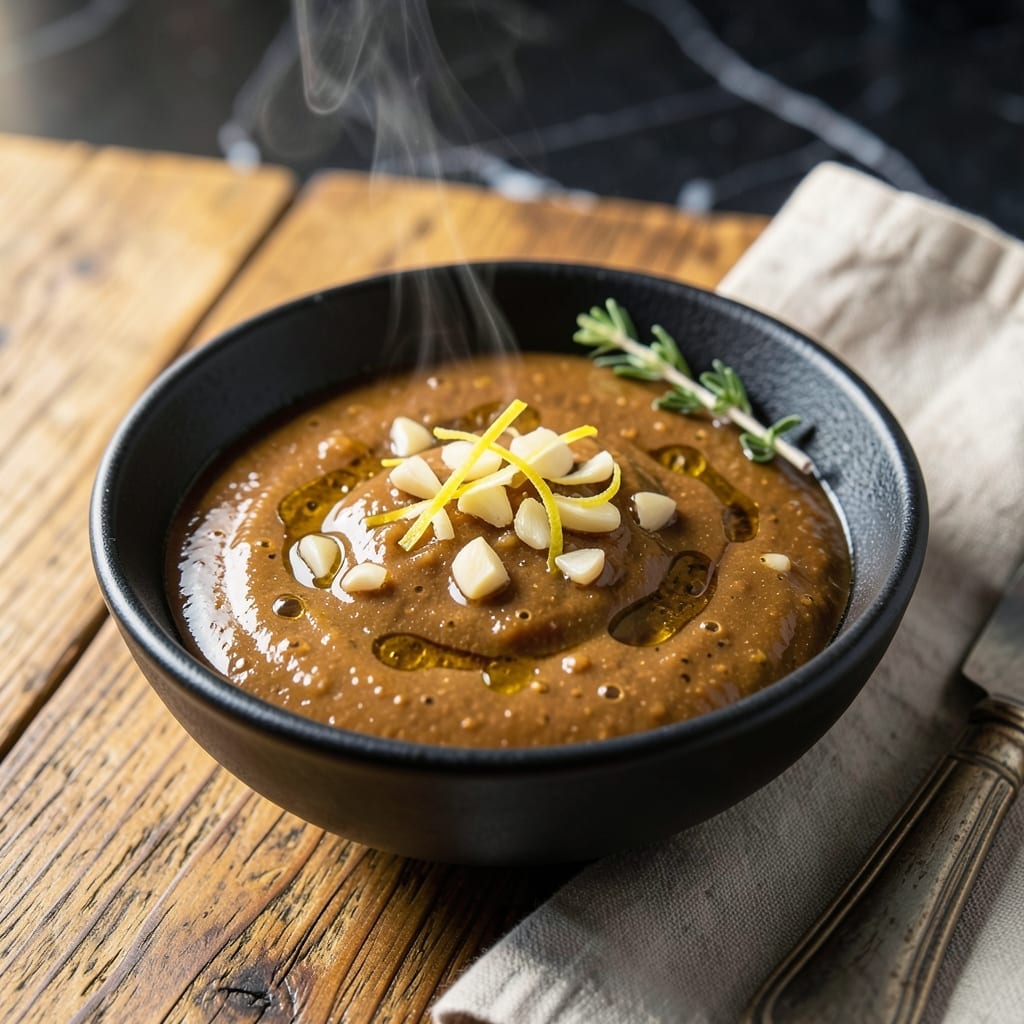
This honey garlic sauce delivers a perfect balance of sweet and savory without relying on rice vinegar. The combination of natural sweetness and garlicky depth creates a versatile glaze that elevates any dish.
I developed this version after realizing many recipes call for rice vinegar unnecessarily. A splash of apple cider vinegar or lemon juice provides the needed tang while keeping the flavor profile clean and bright.
The sauce comes together in 5 minutes with simple pantry staples. It thickens beautifully to coat proteins or drizzle over vegetables, adding a glossy, restaurant-quality finish.
Use it for stir-fries, as a marinade, or as a dipping sauce. Stores in the fridge for up to two weeks.
Ingredients for Honey Garlic Sauce Recipe No Rice Vinegar
Nine pantry staples create this glossy, restaurant-quality glaze in minutes.
| Ingredient | Amount | Notes |
|---|---|---|
| Honey 🍯 | ½ cup | Raw or pure preferred |
| Garlic Cloves 🧄 | 6 cloves | Minced or pressed |
| Soy Sauce 🫒 | ¼ cup | Low-sodium if preferred |
| Apple Cider Vinegar 🍏 | 1 tbsp | Bright tangy flavor |
| Lemon Juice 🍋 | 1 tbsp | Freshly squeezed best |
| Extra-Virgin Olive Oil 🫒 | 2 tbsp | Or neutral oil like avocado |
| Fresh Ginger 🌿 | 1 tsp | Grated or minced |
| Dijon Mustard 🟡 | 1 tsp | Adds depth and creaminess |
| Black Pepper 🌶️ | ½ tsp | Freshly ground preferred |
The honey is doing most of the heavy lifting here. Local raw honey has the best flavor, but any pure honey works—just avoid those weirdly cheap bears at the dollar store. The garlic? Fresh is non-negotiable. Pre-minced jarred stuff tastes like sadness. I grab my garlic from Trader Joe’s or the farmers market. Soy sauce matters too—Kikkoman or tamari for gluten-free needs.
No apple cider vinegar? Lemon juice works in a pinch (you already have it in the list). Skip the rice vinegar entirely—this combo gives you the tang without it. The ginger adds warmth, but ground ginger at half the amount is fine if fresh isn’t handy. Dijon mustard seems odd, but it thickens the sauce and adds complexity. Don’t have it? Regular yellow mustard works, just use a little less.
This keeps beautifully in the fridge for up to 2 weeks. The flavors actually get better after a day. Store in a glass jar (I repurpose pasta sauce jars) and give it a shake before using. Freezing? Not recommended—it separates weirdly.
Why You’ll Love This Recipe
- Five Minute Whip: I dump everything in one bowl and stir—no chopping finesse required, just minced garlic and a whisk.
- Sweet-Savory Punch: The honey and soy sauce battle it out in the best way, with lemon juice cutting through like a surprise guest at dinner.
- Glazes Anything: I’ve slathered this on wings, ribs, even roasted carrots. Honestly, it’s my weeknight shortcut to flavor without the fuss.
- Keeps for Days: One batch lasts me a week in the fridge, and it actually tastes richer the next day—like the sauce has time to think about its life choices.
Step-by-Step Instructions for Honey Garlic Sauce
Here’s how I make this rich, glossy sauce with perfect balance every single time.
Step 1: Sauté Aromatics in Oil
Heat the 2 tablespoons extra-virgin olive oil in a saucepan over medium heat until it shimmers slightly. Add the 6 cloves garlic cloves and 1 teaspoon fresh ginger, stirring constantly for 1-2 minutes until fragrant but not browned.
You’ll smell the garlic’s pungent aroma mellow into something sweeter as it cooks. Watch closely—burnt garlic turns bitter and ruins the sauce. The ginger should release its bright, peppery notes without darkening. This aromatic base builds the foundation of flavor.
Step 2: Build the Sauce Base
Pour in the 0.5 cup honey, 0.25 cup soy sauce, 1 tablespoon apple cider vinegar, and 1 tablespoon lemon juice. Stir to combine and bring to a gentle simmer. The honey will thin slightly as it warms, blending seamlessly with the other liquids.
Let this mixture bubble gently for 3-4 minutes until it thickens slightly. You’ll notice the sauce starting to coat the back of a spoon. The soy sauce’s umami depth should balance perfectly with the honey’s sweetness, while the vinegars add just enough tang to keep it from being cloying.
Step 3: Thicken and Finish
Whisk in the 1 teaspoon Dijon mustard and 0.5 teaspoon black pepper. The mustard adds body and a subtle sharpness, while the pepper provides gentle heat. Simmer for another 2 minutes, stirring frequently.
The sauce should now have a glossy sheen and coat a spoon thickly enough that you can draw a line through it with your finger. Taste and adjust seasoning if needed, though the balance should already be spot-on. Remove from heat and let it sit for 5 minutes to thicken further as it cools.
Step 4: Serve or Store
Use this sauce immediately while warm for maximum flavor impact. It pairs beautifully with grilled meats, roasted vegetables, or as a stir-fry finishing sauce. The sauce will keep in an airtight container in the refrigerator for up to 1 week.
When reheating, warm gently over low heat and thin with a splash of water if needed. The flavors will deepen and meld even more after a day in the fridge, making leftovers taste even better than the first serving.
Pro Tips For Making Honey Garlic Sauce Recipe No Rice Vinegar
- Mince Garlic Fine: I learned this the hard way—chopped garlic leaves bitter chunks, but minced garlic blends smoothly into the honey and soy sauce.
- Simmer Low and Slow: Keep the heat at medium-low to avoid burning the honey, which turns bitter fast. About 3-4 minutes of gentle bubbling thickens it perfectly.
- Balance the Acid: Since you’re skipping rice vinegar, use 1 tablespoon apple cider vinegar and 1 tablespoon lemon juice to hit the right tang without overpowering the honey.
- Thin With Water: If the sauce gets too thick while cooking, add warm water 1 teaspoon at a time—it saves the texture without diluting the flavor.
Regional Styles of These Flavors
Chinese-Inspired Version
For a classic Chinese take, I swap apple cider vinegar for Chinkiang black vinegar. It adds a deep, malty complexity that pairs wonderfully with light soy sauce instead of regular. A dash of sesame oil at the end gives it that authentic wok-fired aroma. 🌟
Korean Twist
Add 1 tbsp gochujang and 1 tsp toasted sesame seeds to the base recipe. The gochujang brings fermented heat while the sesame seeds add nutty crunch. I use Sempio brand gochujang for its balanced sweet-spicy profile.
Thai Variation
Replace the vinegars with 2 tsp lime juice and add 1 stalk lemongrass (bruised) while simmering. Finish with 1 tsp fish sauce and ½ tsp red pepper flakes for that signature Thai balance of sweet, sour, and spicy.
American BBQ Style
Boost the smokiness with 1 tsp smoked paprika and ½ tsp liquid smoke. I like Wright’s liquid smoke for its clean hickory flavor. This version works amazingly as a glaze for grilled chicken wings. 🔥
Mediterranean Approach
Infuse the olive oil with 1 sprig fresh rosemary while heating. Add 1 tbsp balsamic vinegar for depth and ¼ tsp sumac for a tangy, citrusy finish. This pairs beautifully with lamb or roasted eggplant.
Japanese Adaptation
Use mirin in place of honey and add 1 tsp grated daikon radish for freshness. The mirin gives a cleaner sweetness that complements the garlic beautifully. I often drizzle this over grilled salmon.
Nutrition Facts
Frequently Asked Questions
Can I use lime juice instead of vinegar?
Lime juice works perfectly as a substitute. Use the same 1 tablespoon measurement for a bright, citrusy tang that complements the honey and garlic beautifully.
How do I fix a sauce that’s too thin?
Simmer it for an extra 2-3 minutes on medium-low heat. If that doesn’t work, mix ½ teaspoon cornstarch with water and stir it in while heating. The sauce will thicken as it cools.
What’s the best way to store leftover sauce?
Keep it in an airtight container in the fridge for up to 2 weeks. For longer storage, freeze in ice cube trays, then transfer to a bag. Thaw only what you need.
Can I make this sauce spicy?
Yes! Add ½ teaspoon red pepper flakes or 1 teaspoon sriracha while simmering. Adjust to taste—start small and add more if you prefer extra heat.

- Rice Pudding Recipe With Eggs and Milk: Old-Fashioned Custard-Style Comfort - September 30, 2026
- Rice Noodle Sauce Recipe: Bold Umami Depth for Authentic Stir-Fry - September 30, 2026
- Rice Pilaf Recipe: Fragrant Basmati With Toasted Vermicelli - September 30, 2026