
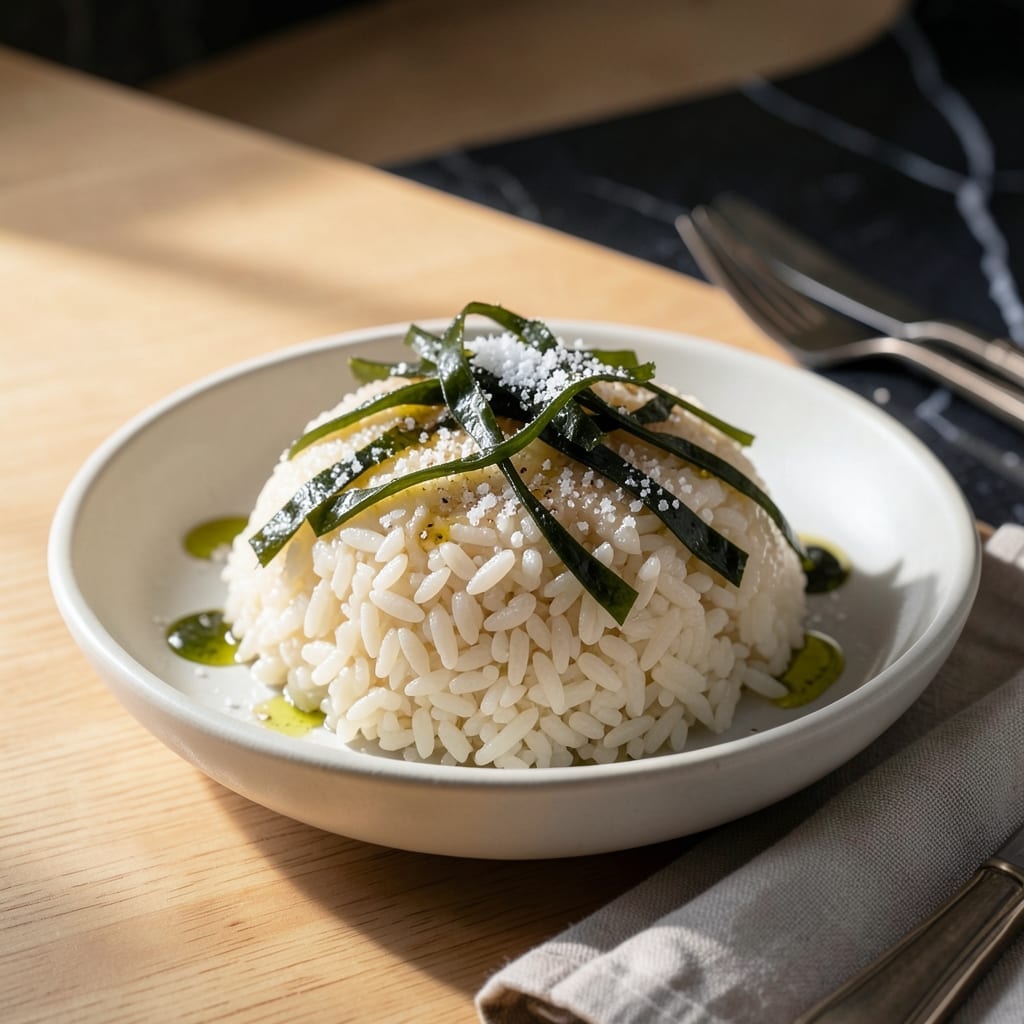
Japanese-style honto rice achieves that perfect balance of sticky texture and subtle sweetness that defines authentic sushi rice. This method delivers consistent results every time.
The technique involves precise rinsing, soaking, and cooking ratios that transform short-grain rice into the ideal accompaniment. No special equipment is needed—just attention to detail.
What emerges is glossy, tender rice that holds its shape while remaining soft enough to melt in your mouth. The slightly sweet, vinegared flavor makes it versatile for sushi, bowls, or side dishes.
Follow these steps for restaurant-quality rice at home. The process is straightforward but requires exact measurements and timing.
Ingredients for Honto Rice
These precise ingredients create that signature sticky texture and subtle sweetness of authentic Japanese rice.
| Ingredient | Amount | Notes |
|---|---|---|
| Japanese Short-Grain Rice 🍚 | 2 cups | Sushi rice variety preferred |
| Water 💧 | 2 ½ cups | Filtered for best results |
| Rice Vinegar 🍯 | ⅓ cup | Seasoned or unseasoned |
| Granulated Sugar 🧂 | 2 tbsp | Dissolved in vinegar mixture |
| Sea Salt 🧂 | 1 tsp | Fine grain preferred |
| Kombu 🌿 | 1 piece | 4-inch square, optional for umami |
| Sake 🍶 | 2 tbsp | Optional for depth of flavor |
| Mirrorin 🍯 | 1 tbsp | Sweet cooking rice wine, optional |
| White Sesame Seeds 🌰 | 1 tsp | Toasted, for garnish |
| Nori Sheets 🌿 | 2 sheets | Cut into strips for serving |
The rice itself is non-negotiable for authenticity. Koshihikari or Nishiki short-grain varieties are ideal—avoid jasmine or basmati as they lack the necessary stickiness. Asian markets carry these reliably, but many mainstream grocers now stock them in the international aisle. Kombu adds umami depth (find it dried in Whole Foods or online); even a small piece makes a noticeable difference.
For the vinegar mixture, seasoned rice vinegar combines sugar and salt already, so adjust sweetness to taste. No rice vinegar? Apple cider vinegar at half the amount works in a pinch, though the flavor profile shifts slightly. Sake and mirin are traditional but optional—dry white wine can substitute for sake, while 1 tsp sugar plus 1 tbsp water mimics mirin’s sweetness.
Uncooked rice keeps indefinitely in a cool, dark pantry. Once prepared, this rice is best used within 24 hours—it dries out quickly. For sushi applications, keep it covered with a damp towel until assembly. Leftover rice freezes well for up to 1 month in airtight containers.
Why You’ll Love This Recipe
- One Pot Wonder: I just toss everything in the rice cooker and walk away—no stirring, no fuss.
- Sweet-Tangy Bite: The rice vinegar and sugar give it that bright, slightly sweet flavor that’s so addictive.
- Pairs With Anything: Honestly, it’s my base for bento boxes, sushi rolls, or even a quick snack with furikake.
- Budget Stretch: A pound of short-grain rice feeds us for days and costs pennies.
Step-by-Step Instructions for Japanese-Style Sticky Rice
Master the technique for consistently perfect texture and flavor with this method.
Step 1: Rinse and Prepare the Japanese Short-Grain Rice
Place the 2 cups Japanese Short-Grain Rice in a fine-mesh strainer and rinse under cold water until the water runs clear. This removes excess starch, which is crucial for achieving the ideal sticky yet separate grain texture. I typically rinse 4-5 times to ensure complete removal of surface starch.
After rinsing, let the rice drain in the strainer for 10 minutes. Meanwhile, add the 1 piece Kombu to the 2.5 cups Water in your rice cooker or pot and let it soak to infuse subtle umami. Remove the kombu just before cooking to prevent bitterness.
Step 2: Cook the Rice to Ideal Consistency
Add the drained rice to the water in your rice cooker. If using a pot, cover and bring to a boil, then reduce to low heat for 15 minutes. For rice cookers, simply start the standard cycle. The rice is done when all liquid is absorbed and the grains are tender with a slight bite.
Once cooked, let the rice steam undisturbed for 10 minutes. This resting period allows the grains to absorb any remaining moisture and set properly. The finished rice should be glossy, slightly sticky, and hold its shape when pressed gently with a rice paddle.
Step 3: Prepare the Seasoned Vinegar Mixture
In a small saucepan, combine the 0.33 cup Rice Vinegar, 2 tbsp Granulated Sugar, and 1 tsp Sea Salt. Heat over medium-low heat just until the sugar and salt dissolve completely—this should take 2-3 minutes. Avoid boiling to preserve the delicate vinegar flavor.
For enhanced depth, stir in the 2 tbsp Sake and 1 tbsp Mirrorin at this stage. Let the mixture cool to room temperature before using. The seasoning should taste balanced—sweet, tangy, and slightly salty without any one flavor dominating.
Step 4: Season and Finish the Rice
Transfer the cooked rice to a large, shallow wooden or glass bowl. Using a rice paddle or silicone spatula, gently fold in the cooled vinegar mixture with a slicing motion to avoid crushing the grains. The rice should glisten and clump slightly, indicating proper seasoning distribution.
Taste and adjust seasoning if needed—this is your final chance to perfect the flavor. The rice should have a subtle sweetness with a bright vinegar note, complemented by the umami from the kombu and sake. Cover with a damp cloth to keep warm until serving.
Step 5: Garnish and Serve
Just before serving, sprinkle the 1 tsp White Sesame Seeds over the rice and gently fold in. Cut the 2 sheets Nori Sheets into thin strips for garnish. The sesame seeds add a delicate nutty aroma, while the nori provides a briny contrast.
Serve the rice warm, shaped into small mounds or as a bed for other dishes. The texture should be tender yet firm, with grains that cling together slightly but separate cleanly when eaten. This method ensures authentic Japanese-style sticky rice every time.
Pro Tips For Making Honto Rice
- Rinse the rice: Wash the Japanese short-grain rice in 3-4 changes of cold water until it runs clear—this removes excess starch and guarantees fluffy, separate grains.
- Warm the vinegar mix: Gently heat the rice vinegar, sugar, and sea salt in a small saucepan until the sugar dissolves completely, then cool before mixing with rice. I learned this the hard way after finding undissolved sugar grains in my finished dish.
- Use exact water ratio: Stick to a 1:1.1 ratio of rice to water (e.g., 1 cup rice to 1.1 cups water)—any more and you’ll end up with mushy honto rice instead of that perfect sticky texture.
- Rest before serving: Let the cooked rice sit covered for 10 minutes off the heat. Sounds weird, but it works: the steam redistributes moisture so every bite is evenly tender.
Creative Variations of These Flavors
Miso-Glazed Variation
Mix 2 tbsp white miso paste with 1 tbsp mirin and 1 tsp sugar, then fold into the cooked rice before seasoning. This adds a savory depth that pairs beautifully with grilled fish or vegetables. 🌟
Coconut Rice Twist
Replace ½ cup water with coconut milk during cooking for a subtly sweet, tropical flavor. The rice takes on a creamy texture that works wonderfully in bowls with Thai or Hawaiian-inspired dishes.
Furikake Seasoning
After seasoning with the vinegar mixture, sprinkle 2 tbsp furikake (a Japanese rice seasoning with seaweed, sesame, and bonito) over the rice. This adds texture and umami without altering the base recipe.
Mushroom Umami Boost
Sauté ½ cup finely chopped shiitake mushrooms in 1 tbsp sake until tender, then mix into the rice after cooking. The mushrooms infuse the dish with an earthy richness that’s perfect for colder months.
Citrus Zest Brightness
Fold in 1 tsp yuzu or lemon zest with the vinegar mixture for a bright, citrusy note. This variation cuts through rich dishes like tempura or tonkatsu beautifully.
Spicy Kick
Add 1 tsp sriracha or chili crisp to the vinegar mixture for a subtle heat. The spice complements the sweetness and adds a modern fusion twist to this dish. 🔥
Nutrition Facts
Frequently Asked Questions
Why is rinsing the rice so important?
Rinsing removes excess starch from the surface of the grains. This prevents the rice from becoming gummy and ensures that perfect sticky yet separate texture. Skipping this step often results in a mushy final product.
Can I use a regular pot instead of a rice cooker?
Use a heavy pot with a tight lid, bring to a boil, then reduce to low heat for 15 minutes. The key is maintaining consistent heat and letting it steam undisturbed afterward.
How do I store leftover rice?
Store in an airtight container in the fridge for up to 24 hours. For longer storage, freeze for up to 1 month. Reheat in the microwave with a damp paper towel over it to restore moisture.
What if my rice turns out too dry?
Add 1-2 tablespoons of hot water to the rice, cover, and let it steam for 5 minutes. This should restore moisture without making it soggy. Avoid stirring, as it can break the grains.

- Ground Beef Rice and Beans Recipe: Slow-Simmered Savory Harmony - October 17, 2026
- Guyanese Fried Rice Recipe: Caribbean Spice With Wok-Charred Aromatics - October 17, 2026
- Hakka Thunder Tea Rice Recipe: Wok-Charred Herbal Infusion - October 17, 2026