
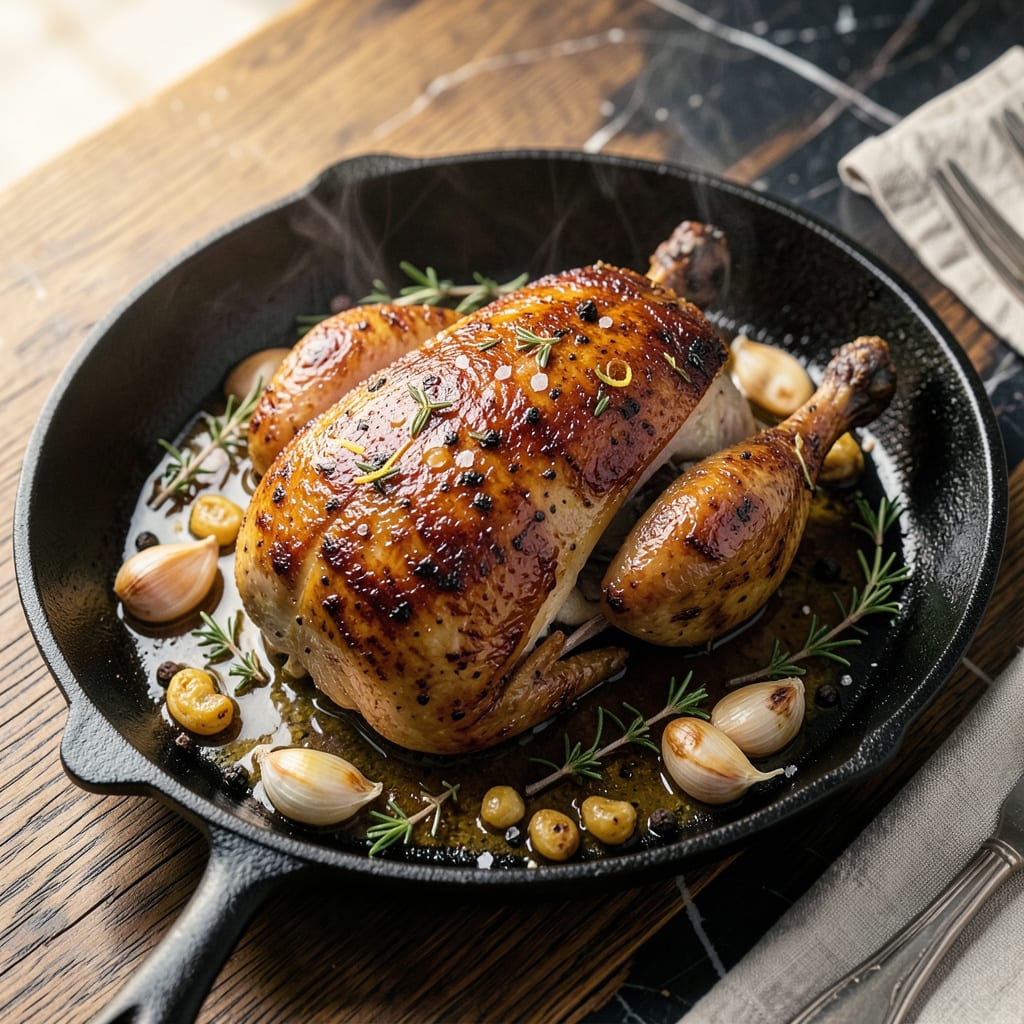
A half chicken typically bakes for 45-60 minutes at 375°F (190°C) until the internal temperature reaches 165°F (74°C). Larger halves may need 10-15 extra minutes. Always use a meat thermometer for accuracy.
Getting that golden-brown finish while keeping the meat juicy is all about precision. 🔥 The size of your chicken half plays a huge role—smaller birds cook faster, while larger ones demand extra time to ensure the thickest parts near the bone reach safe temperatures. I’ve found that starting with a dry surface (pat it thoroughly with paper towels) helps achieve that coveted crispy skin, while letting the chicken rest for 10 minutes after baking keeps the juices locked in.
What many home cooks overlook is how oven type affects timing. Convection ovens can shave off 10-15 minutes total, while conventional ovens may need the full hour. The dark meat near the thigh and drumstick always takes longer than the breast, so I recommend positioning the chicken with the leg end facing the back of the oven where heat is typically more intense. ✨
💡 In This Article
- Factors That Affect Half Chicken Baking Time
- Step-by-Step Guide for Juicy Baked Half Chicken
Factors That Affect Half Chicken Baking Time
The baking time for a half chicken isn’t one-size-fits-all because several key variables come into play. First, your oven type makes a dramatic difference—convection ovens circulate hot air at 350-375°F, cutting cooking time by about 20% compared to conventional ovens.
The fan creates a vortex that transfers heat more efficiently, which is why recipes often suggest reducing temperature by 25°F when using convection. 🔥
Size and weight are the most obvious factors, but many overlook how bone structure impacts timing. A 2-pound half chicken with bones intact will take longer than a 1.5-pound boneless version because bones act as heat conductors, drawing energy away from the surrounding meat.
Dark meat (thighs, drumsticks) contains more connective tissue and fat, requiring 10-15°F higher internal temperature to break down properly than white meat, which dries out faster at those temps. ✨
Starting temperature is another game-changer. A chicken straight from the fridge (40°F) may need 10-15 extra minutes compared to one that’s been resting at room temperature for 30-60 minutes. This isn’t just about cooking time—it’s about even cooking.
Cold meat causes the outer layers to overcook before the center reaches safe temps, while room-temp chicken cooks more uniformly. I always pat the skin dry before seasoning to maximize crispiness during baking. 💫
The position in your oven matters more than you think. The back third of most ovens runs 25-50°F hotter than the front, which is why I recommend placing the chicken leg-end toward the back. This ensures the dark meat (which needs more heat) gets proper exposure while preventing the breast from drying out.
For extra insurance, I rotate the pan halfway through baking—this simple step eliminates hot spots that could lead to uneven doneness. ⚡
Even the type of baking dish affects timing. Dark metal pans absorb and radiate heat more aggressively than glass or ceramic, potentially reducing cooking time by 5-10 minutes. Glass dishes, while great for even heating, may require slightly longer baking since they heat up more slowly.
For crispy skin, I always use a wire rack over a baking sheet—this allows hot air to circulate completely around the chicken, preventing steaming. 🌟
Altitude plays a surprising role too. At elevations above 3,000 feet, water boils at lower temperatures, meaning your chicken may cook 10-15% faster than at sea level. The dry air at high altitudes also accelerates moisture loss, so I recommend brushing the skin with oil or butter every 20 minutes to prevent drying.
For those in mountainous regions, reducing oven temperature by 15-25°F often yields better results. 💛
Finally, don’t underestimate how seasoning affects cooking. Salt draws out moisture, which can create steam and slightly extend cooking time. Heavy sugar-based rubs may caramelize too quickly at high temps, potentially burning before the chicken is fully cooked.
My pro tip: Apply dry rubs at least 1 hour before baking to allow flavors to penetrate, then pat dry again before putting it in the oven for maximum crispiness. 💫

- Jollof Rice Sauce Recipe: West African Tomato and Spice Infusion - September 25, 2026
- Japanese Rice Soup Recipe: Umami-Rich Comfort in a Bowl - September 25, 2026
- Homemade Cream Of Rice Recipe: Silk-Smooth Breakfast in Minutes - September 25, 2026