
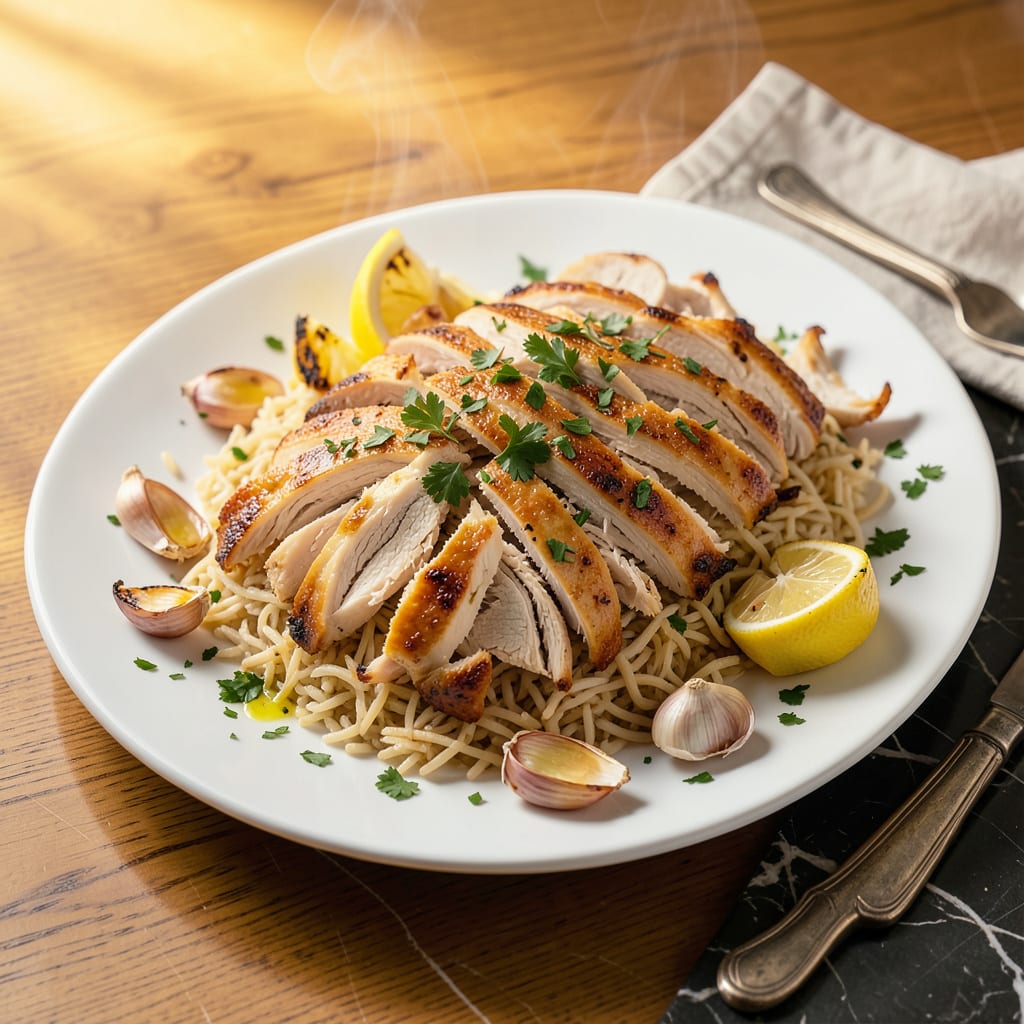
Bake boneless, skinless chicken breasts at 350°F (175°C) for 25-30 minutes or until internal temperature reaches 165°F (74°C). For thighs, bake 35-40 minutes. Overcooking slightly (5-10°F above target) makes shredding easier without drying out the meat.
I’ve found that the secret to perfectly shreddable chicken lies in how the muscle fibers break down during baking. When you hit that 170-175°F sweet spot, the collagen melts into gelatin while the proteins contract just enough to create those ideal pull-apart strands. 🔥 This is why thighs often shred more easily than breasts—their higher fat content and slightly longer cooking window give you more forgiveness in timing.
What most people don’t realize is that resting time matters just as much as baking time. Letting the chicken sit for 10-15 minutes after removing it from the oven allows the juices to redistribute, making the shredding process nearly effortless. I always use two forks in opposite directions for the cleanest separation—no fancy tools required!
💡 In This Article
- Why Baking Time Affects Chicken Shredding Texture
- Pro Tips for Baking and Shredding Chicken Like a Chef
Why Baking Time Affects Chicken Shredding Texture
The magic of shreddable chicken happens at the molecular level. When chicken reaches 165°F, the muscle proteins (actin and myosin) begin denaturing—unfolding and rebonding into a tighter structure. But here’s the key: collagen, the connective tissue, doesn’t start breaking down until 170-180°F.
That extra 5-10°F transforms tough collagen into silky gelatin, which lubricates the muscle fibers for easy separation. 🔥
Breasts and thighs behave differently because of their muscle composition. Chicken breasts have about 1% fat and longer, parallel fibers that can turn stringy if overcooked. Thighs, with 9-11% fat and shorter, irregular fibers, stay juicy even when pushed to 185°F.
This is why thighs can handle 35-40 minutes at 350°F while breasts dry out faster. The fat acts as both an insulator and flavor carrier during the longer cook time.
Moisture retention plays a huge role in shredding success. At 165°F, chicken retains about 75% of its moisture, but that drops to 60% by 180°F. The trick is finding the balance where collagen has melted but moisture hasn’t completely escaped.
I’ve found that pulling breasts at 170°F and thighs at 180°F gives the perfect shredding texture—tender but not mushy. ✨
Time and temperature work together in this process. At 350°F, the outer layers reach the collagen breakdown zone first, creating a gradient effect. This is why larger pieces (like whole breasts) need that full 25-30 minute range—the center catches up to the edges.
Smaller pieces or strips might only need 18-22 minutes to achieve the same internal transformation. 💫
The resting period after baking is non-negotiable for perfect shredding. During those critical 10-15 minutes, the muscle fibers relax and reabsorb about 20% of the lost juices. This makes the difference between chicken that shreds into clean strands versus dry, crumbly bits.
I always tent my chicken with foil during resting to trap that precious steam. ⚡
Here’s what most people miss: the shredding method affects perceived texture. Chicken baked to 175°F will shred into long, clean fibers with forks, while 185°F chicken might fall apart with just a gentle touch.
The higher temp creates more gelatin but less structural integrity—great for tacos, but maybe not for salads where you want defined strands. 🌟
Pro tip: If you’re shredding for meal prep, aim for the higher end of the temp range (180°F for breasts, 185°F for thighs). The slightly drier texture actually reheats better and absorbs sauces more readily when you’re ready to use it.
This is why restaurant chains often cook their shredded chicken to these higher temps—it holds up better in storage and application. 💛

- Jollof Rice Sauce Recipe: West African Tomato and Spice Infusion - September 25, 2026
- Japanese Rice Soup Recipe: Umami-Rich Comfort in a Bowl - September 25, 2026
- Homemade Cream Of Rice Recipe: Silk-Smooth Breakfast in Minutes - September 25, 2026