
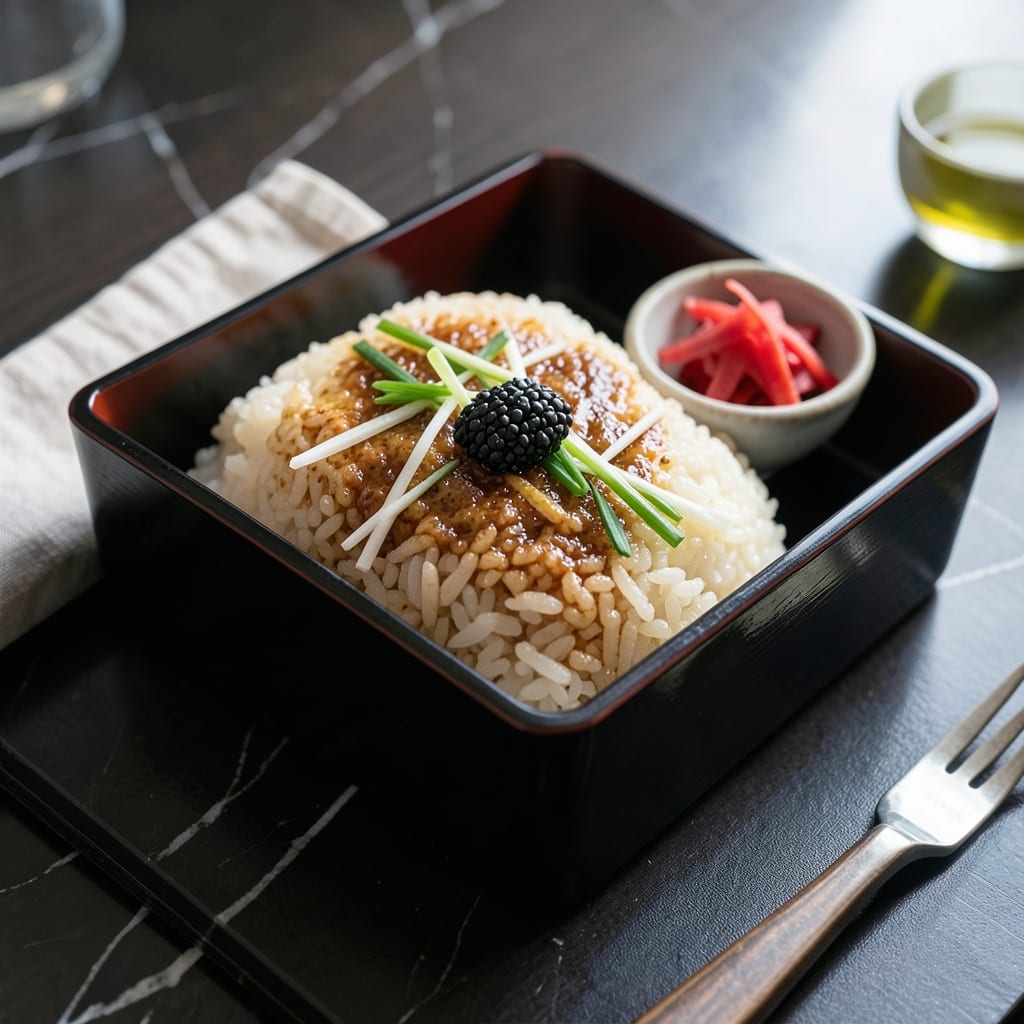
This Japanese flavored rice delivers umami-rich satisfaction in every bite. I developed this method to bring authentic taste to home kitchens with minimal effort.
The secret lies in toasting the rice before cooking, which enhances its natural nuttiness. A simple combination of soy sauce, mirin, and dashi creates depth without overwhelming the grains.
You’ll achieve perfectly cooked rice with a glossy sheen and subtle sweetness. The toasted sesame seeds add a final crunch that elevates each mouthful.
This dish pairs beautifully with grilled proteins or stands alone as a comforting meal. Here’s how to make it.
Ingredients for Japanese Flavored Rice
Short list of pantry staples brings authentic Japanese flavor to your table.
| Ingredient | Amount | Notes |
|---|---|---|
| Japanese Short-Grain Rice 🍚 | 2 cups | Rinsed until water runs clear |
| Dashi Stock 🥣 | 2 cups | Homemade or instant granules |
| Soy Sauce 🫒 | 2 tbsp | Low-sodium preferred for balance |
| Mirin 🍶 | 2 tbsp | Sweet rice wine, not cooking mirin |
| Sake 🍶 | 1 tbsp | Dry variety for cooking |
| Granulated Sugar 🍚 | 1 tsp | Dissolves easily in liquid |
| Sesame Seeds 🌰 | 2 tbsp | Toasted until golden brown |
| Neutral Oil 🫒 | 1 tbsp | For toasting rice and seeds |
| Rice Vinegar 🍋 | 1 tsp | Adds subtle tang to balance flavors |
| Green Onions 🧅 | 2 whole | Thinly sliced for garnish |
| Nori Sheet 🍱 | 1 sheet | Cut into thin strips for garnish |
The rice is non-negotiable here—Japanese short-grain (like Koshihikari or Nishiki) gives that sticky, slightly sweet texture. Trader Joe’s or Asian markets usually stock it. Dashi is the soul of the umami, so don’t skip it. Instant granules (like Hondashi) work in a pinch, but homemade from kombu and bonito flakes is next-level. Mirin and sake should be cooking-grade, not the expensive drinking stuff (save that for sipping).
No dashi? Vegetable broth plus a splash of soy sauce gets you 80% there. Missing mirin? 1 tbsp sugar + 1 tbsp water + 1 tsp rice vinegar per tablespoon of mirin works. Sake can be swapped with dry white wine. If you’re out of sesame seeds, crushed peanuts add a different but still great crunch. The rice vinegar is subtle but important—don’t leave it out.
Leftover rice keeps 3-4 days in the fridge (it’ll dry out slightly). Reheat with a splash of water to bring back moisture. The toasted sesame seeds stay fresh in a jar for 1 month. Pro tip: make a double batch of the seasoning liquid and freeze it—saves time next round.
Why You’ll Love This Recipe
- One Pot Wonder: I just dump the rice, dashi, soy sauce, mirin, and sake in my rice cooker and walk away—no stirring, no fuss.
- Umami Bomb: That first bite with the dashi-soaked grains and the sweet-savory kick from mirin? Ridiculously good.
- Weeknight Hero: I pair it with grilled fish one night, then toss leftovers into onigiri for lunch the next day.
- Budget Stretcher: A single bag of short-grain rice and a few pantry staples make multiple meals for my family without breaking the bank.
Step-by-Step Instructions for Japanese Flavored Rice
Here’s the method I use for maximum umami depth and perfect texture every time.
Step 1: Rinse and Cook the Rice
Place the 2 cups Japanese Short-Grain Rice in a fine-mesh strainer and rinse under cold water until the water runs completely clear. This removes excess starch that would otherwise make your rice gummy. I find this takes about 4-5 rinses with vigorous swirling.
Combine the rinsed rice and 2 cups Dashi Stock in a rice cooker or heavy pot. Cook according to standard rice cooker instructions or on the stovetop: bring to a boil, then reduce to low heat, cover, and simmer for 15 minutes. Remove from heat and let it steam, covered, for another 10 minutes.
Step 2: Toast the Aromatics
While the rice cooks, heat the 1 tbsp Neutral Oil in a small skillet over medium heat. Add the 2 tbsp Sesame Seeds and toast, stirring constantly, for 2-3 minutes until they turn golden brown and become fragrant. Watch them closely—they burn quickly.
Immediately transfer the toasted sesame seeds to a small bowl to prevent over-browning. Set aside to cool. The nutty aroma should be intense at this point, a sure sign they’re ready to enhance your dish with their rich flavor.
Step 3: Prepare the Seasoning Sauce
In a small saucepan, combine the 2 tbsp Soy Sauce, 2 tbsp Mirin, 1 tbsp Sake, and 1 tsp Granulated Sugar. Warm over low heat for 2-3 minutes, stirring just until the sugar dissolves completely and the mixture becomes slightly syrupy.
Remove from heat and stir in the 1 tsp Rice Vinegar. This adds a subtle tang that balances the sweet and savory notes beautifully. The sauce should be glossy and smooth, ready to be folded into your cooked rice.
Step 4: Combine and Finish
Transfer the cooked rice to a large mixing bowl. Pour the warm seasoning sauce evenly over the rice. Using a rice paddle or silicone spatula, gently fold the sauce into the rice with a cutting motion—this prevents the grains from breaking while ensuring even distribution.
Add the toasted sesame seeds and fold again to incorporate. The rice should be glossy, with each grain distinctly separate yet coated with the umami-rich sauce. Let it rest for 5 minutes to allow the flavors to meld completely.
Step 5: Garnish and Serve
Thinly slice the 2 whole Green Onions on a diagonal for elegant presentation. Cut the 1 sheet Nori Sheet into thin strips using kitchen shears. Sprinkle both garnishes over the rice just before serving—the green onions add freshness while the nori contributes a subtle oceanic note.
Serve immediately while the rice is still warm. The texture should be slightly sticky with individual grains that burst with layered flavors: nutty from the sesame, savory from the dashi, and sweet-salty from the seasoning sauce.
Pro Tips For Making Japanese Flavored Rice
- Rinse the Rice: Wash the short-grain rice in 3-4 changes of cold water until the water runs nearly clear—this removes excess starch so your rice ends up sticky but not gummy.
- Heat the Dashi: Warm your dashi stock before mixing it with the other seasonings; cold liquid can shock the rice and lead to uneven cooking.
- Skip the Overcrowding: Use a pot that’s at least twice as tall as the rice and liquid—this gives the grains room to expand without boiling over.
- Rest Before Serving: After cooking, let the rice sit covered for 10 minutes to absorb the last of the seasoned liquid—this makes the flavors more consistent throughout.
Wine and Beer Pairings for These Flavors
Japanese Beer Pairings
Light, crisp Japanese lagers like Sapporo or Asahi Super Dry complement the umami beautifully. Their clean finish cuts through the richness without overpowering the dish. I always keep a few cold ones for this exact pairing. 🍺
Sake Selections
A dry junmai sake works wonders with this rice. Try Dassai 39 for a premium experience or Ozeki for a budget-friendly option. Serve chilled in small cups to enhance the dining ritual.
White Wine Options
For wine lovers, a chilled Pinot Grigio from Japan’s Yamanashi region offers citrus notes that balance the savory flavors. Koshu wine, made from native Japanese grapes, is another excellent choice with its delicate profile.
Green Tea Pairing
Don’t overlook traditional sencha green tea. Its grassy, slightly bitter notes cleanse your palate between bites. I brew mine at 175°F for 2 minutes to avoid bitterness. 🌿
Non-Alcoholic Choice
A sparkling yuzu soda provides refreshing acidity that mirrors the rice vinegar in the dish. Ramune with its distinctive marble-topped bottle adds a fun, nostalgic touch to your meal.
Nutrition Facts
Frequently Asked Questions
Can I use jasmine rice instead of short-grain?
Jasmine rice works but won’t be as sticky. For best results, use Japanese short-grain to achieve the authentic texture. Jasmine grains stay separate and may absorb flavors differently.
What if I don’t have dashi stock?
Substitute with vegetable broth plus 1 tsp soy sauce. This mimics dashi’s umami depth. For extra richness, add a pinch of MSG or bonito flakes.
How do I prevent the rice from becoming mushy?
Rinse the rice thoroughly until water runs clear. Use the exact 1:1 rice-to-liquid ratio and avoid stirring while cooking. Let it steam covered for 10 minutes after cooking.
Can I make this ahead of time?
Yes! Cook and season the rice up to 1 day ahead. Store in an airtight container in the fridge. Reheat with a splash of water to restore moisture before serving.

- Mujadara Rice and Lentils Recipe: Earthy Spiced Lentils With Caramelized Onions - November 1, 2026
- Naija Fried Rice Recipe: Street-Style Spice With Veggie Crunch - November 1, 2026
- Mushy Rice Recipe: Fluffy Grains Transformed in Minutes - November 1, 2026