
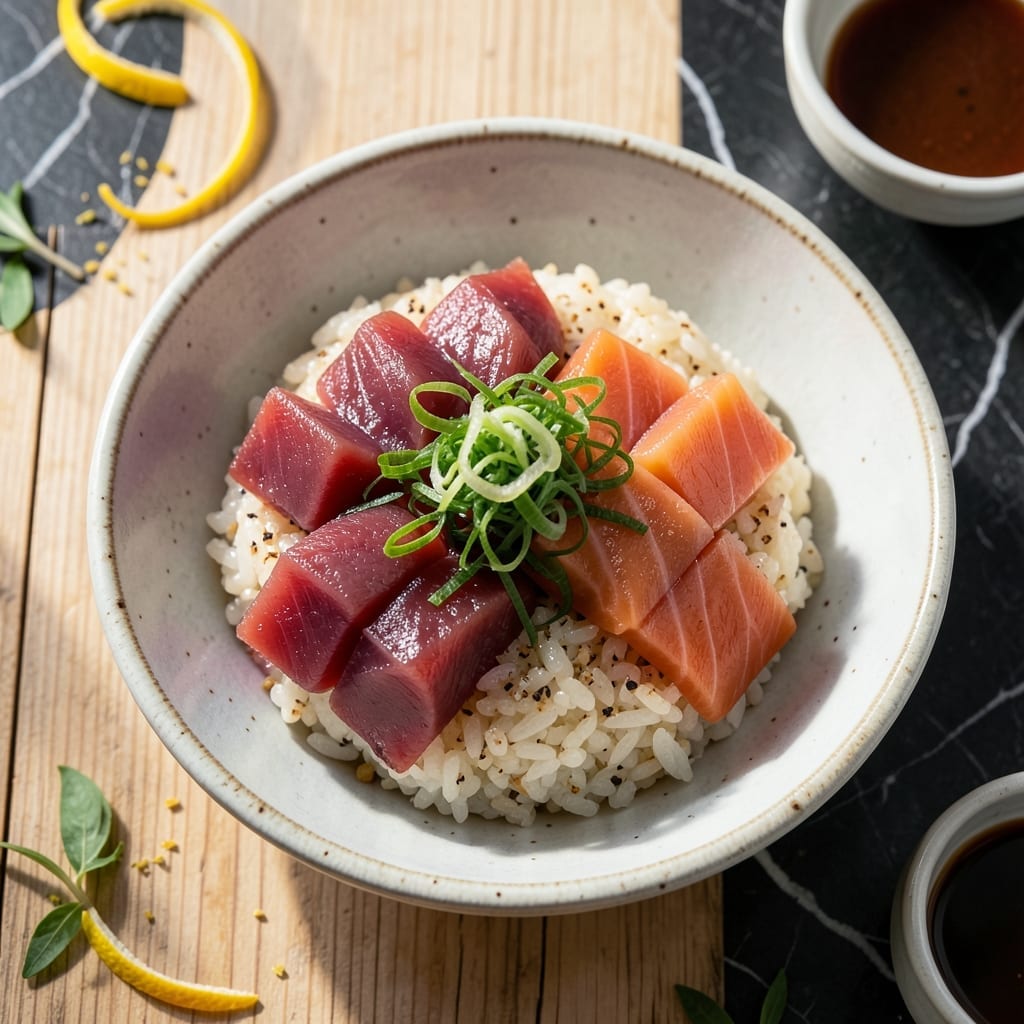
There’s an art to crafting the perfect Japanese rice ball, and it all starts with the filling. This traditional dish transforms simple ingredients into portable, flavorful bites that are as versatile as they are delicious.
The key lies in balancing texture and taste, whether you choose classic options like salted salmon or modern twists such as spicy tuna. Each filling brings its own character to the soft, slightly sticky rice.
With the right technique, you’ll achieve rice that holds its shape while staying tender. The fillings should complement the rice without overpowering it, creating a harmonious bite every time.
From savory to tangy, these combinations ensure every rice ball is a delightful surprise. Let’s explore the possibilities.
Ingredients for Japanese Rice Ball Recipe Fillings
Transform simple rice and bold fillings into these portable, flavorful Japanese classics with ease.
| Ingredient | Amount | Notes |
|---|---|---|
| Sushi Rice 🍚 | 3 cups | Short-grain, rinsed thoroughly |
| Rice Vinegar 🍶 | ¼ cup | For seasoning cooked rice |
| Granulated Sugar 🍚 | 1 tbsp | Dissolved in vinegar |
| Sea Salt 🧂 | 1 tsp | For rice seasoning |
| Salted Salmon Fillet 🐟 | ½ lb | Skin removed, flaked |
| Fresh Tuna 🐟 | ½ lb | Sushi-grade, finely chopped |
| Sriracha Sauce 🌶️ | 1 tbsp | For spicy tuna filling |
| Mayonnaise 🥛 | 2 tbsp | Japanese preferred for creaminess |
| Nori Seaweed Sheets 🌿 | 2 sheets | Cut into strips for wrapping |
| Pickled Plum 🍑 | ¼ cup | Umeboshi, pitted and chopped |
| Cucumber 🥒 | ½ whole | Japanese or Persian, julienned |
| Sesame Seeds 🌰 | 1 tbsp | Toasted for garnish |
| Soy Sauce 🍶 | 1 tbsp | Low-sodium preferred |
| Green Onions 🧅 | 2 whole | Thinly sliced for garnish |
Sushi rice quality is non-negotiable here. Koshihikari or Nishiki brands deliver the perfect sticky texture. Rinse the rice until the water runs clear—this removes excess starch. The rice vinegar should be seasoned rice vinegar if available, but regular works with added sugar and salt. For the salmon, wild-caught offers superior flavor and texture compared to farmed.
No sushi-grade tuna? Canned tuna in oil (well-drained) makes a serviceable substitute for the spicy filling. The nori sheets can be swapped for furikake seasoning if you’re skipping the wrap. Umeboshi not at your Asian market? A mix of plum jam and rice vinegar mimics the tangy-salty profile. The mayonnaise can be Kewpie for authentic richness, or any good-quality brand.
Prepared fillings keep 2 days refrigerated. Assemble rice balls just before serving to prevent sogginess. The cooked rice itself holds 24 hours in the fridge. For longer storage, freeze uncooked rice portions for up to 1 month.
Why You’ll Love This Recipe
- One Bowl Wonder: I mix the sushi rice with vinegar, sugar, and salt right in the bowl—no extra dishes to wash.
- Addictive Flavor: That salty-sweet bite from the seasoned rice with the rich salmon? I keep sneaking extras from the fridge.
- Lunchbox Hero: Honestly, these rice balls are my kids’ favorite school lunch, and they stay fresh for days.
- Budget Stretcher: A single salmon fillet fills a whole batch, and rice is cheap—this feeds my family for pennies per serving.
Step-by-Step Instructions for Japanese Rice Ball Fillings
Master these techniques to create perfectly balanced fillings that elevate every rice ball to restaurant quality.
Step 1: Prepare the Sushi Rice Foundation
Begin by cooking the 3 cups sushi rice according to package instructions, then transfer it to a large wooden bowl. In a small saucepan, gently warm the 0.25 cup rice vinegar with the 1 tbsp granulated sugar and 1 tsp sea salt until fully dissolved.
Pour the vinegar mixture over the hot rice and fold gently with a rice paddle using cutting motions—never stir. The rice should glisten and feel slightly sticky. Fan the rice with a handheld fan while folding to cool it to room temperature. This creates the ideal texture: firm enough to hold shape yet tender when bitten.
Step 2: Create the Spicy Tuna Filling
Finely chop the 0.5 lb fresh tuna into small, even pieces. In a bowl, combine the tuna with 2 tbsp mayonnaise and 1 tbsp sriracha sauce. Mix gently to avoid breaking down the fish—you want distinct pieces suspended in the creamy, spicy mixture.
The filling should hold together when pressed but still have visible tuna pieces for texture contrast. Taste and adjust spice level carefully—the heat should complement, not overpower. Keep this mixture chilled until ready to use to maintain freshness and food safety.
Step 3: Prepare the Salted Salmon and Pickled Plum Fillings
Remove the skin from the 0.5 lb salted salmon fillet and flake it into small, bite-sized pieces. The salmon should be moist but not watery—pat it dry with paper towels if needed. The natural saltiness will provide a perfect contrast to the sweet rice.
Pit and finely chop the 0.25 cup pickled plum—this traditional filling delivers an intense sweet-sour punch. Both fillings work beautifully alone, but I find combining a small amount of each creates a complex flavor profile that’s surprisingly harmonious.
Step 4: Prepare Fresh Garnishes and Wraps
Julienne the 0.5 whole cucumber into thin, even strips. These provide a refreshing crunch that balances richer fillings. Thinly slice the 2 whole green onions on a sharp diagonal for visual appeal and a mild onion bite.
Toast the 1 tbsp sesame seeds in a dry pan over medium heat for 1-2 minutes until golden and fragrant. Cut the 2 sheets nori seaweed sheets into thin strips for wrapping. These elements add texture, color, and traditional authenticity to your finished rice balls.
Pro Tips For Making Japanese Rice Ball Recipe Fillings
- Drain the Salmon: Pat the salted salmon fillet dry before flaking—excess moisture makes the filling soggy and hard to shape. I learned this the hard way after my first few rice balls fell apart.
- Season While Warm: Mix rice vinegar, sugar, and salt into the sushi rice while it’s still hot so the flavors absorb evenly. Sounds weird, but it works: the rice soaks up the seasoning better at that temperature.
- Skip Over-Salting: Taste the salted salmon before adding extra sea salt to the filling—the fillet often carries enough saltiness on its own. After burning my tongue on a few over-seasoned batches, I finally figured this out.
- Chill Before Shaping: Let the seasoned rice cool for 10-15 minutes before forming balls—warm rice sticks to your hands and crumbles. My grandmother swore by this, and she was right: it makes handling way easier.
Flavor Customization for This japanese rice ball recipe fillings
Sweet and Savory
I love mixing 1 tbsp pickled plum with 1 tsp honey for a sweet-tart filling that pairs beautifully with the rice. The plum’s saltiness balances the honey’s sweetness, creating a complex flavor that surprises with every bite. 💛
Crunchy Freshness
Combine julienned cucumber with a pinch of sea salt and 1 tsp rice vinegar. This refreshing filling adds a crisp texture that contrasts the soft rice. Drain excess liquid to prevent sogginess.
Umami Richness
For depth, mix flaked salmon with 1 tsp soy sauce and ½ tsp sesame oil. The umami from the salmon and soy sauce elevates the rice, while sesame oil adds a nutty aroma. Keep it simple—this filling shines with minimal ingredients.
Creamy Spice
The spicy tuna filling can be customized further with 1 tsp grated ginger or 1 tsp lime zest for brightness. I often add 1 tbsp chopped green onions for color and a mild onion flavor. These small tweaks make the filling uniquely yours.
Herb Infusion
Add 1 tbsp chopped cilantro or shiso leaves to any filling for an herbaceous note. Cilantro works well with spicy tuna, while shiso pairs perfectly with salmon. Fresh herbs bring a vibrant pop of flavor and color.
Cheesy Twist
For a modern twist, mix in 2 tbsp cream cheese with the tuna or salmon. The creaminess blends well with the rice, and the subtle tang complements the fillings. It’s an unexpected but delicious variation. ✨
Nutrition Facts
Frequently Asked Questions
What’s the best way to keep fillings from making the rice soggy?
Pat fillings like tuna or salmon dry with paper towels first. For cucumber, julienne and salt it for 10 minutes, then squeeze out excess moisture before adding.
Can I use regular rice instead of sushi rice?
No—regular rice lacks the sticky texture needed to hold shape. Short-grain sushi rice is essential for that perfect, slightly chewy consistency that keeps the balls intact.
How do I add extra flavor without overpowering the rice?
Use small amounts of bold ingredients like 1 tsp soy sauce or ½ tsp sesame oil. These add depth without overwhelming the delicate rice flavor.
How far in advance can I prepare the fillings?
Most fillings stay fresh for 2 days refrigerated. However, assemble the rice balls just before serving to maintain texture and prevent drying out.

- Mujadara Rice and Lentils Recipe: Earthy Spiced Lentils With Caramelized Onions - November 1, 2026
- Naija Fried Rice Recipe: Street-Style Spice With Veggie Crunch - November 1, 2026
- Mushy Rice Recipe: Fluffy Grains Transformed in Minutes - November 1, 2026