
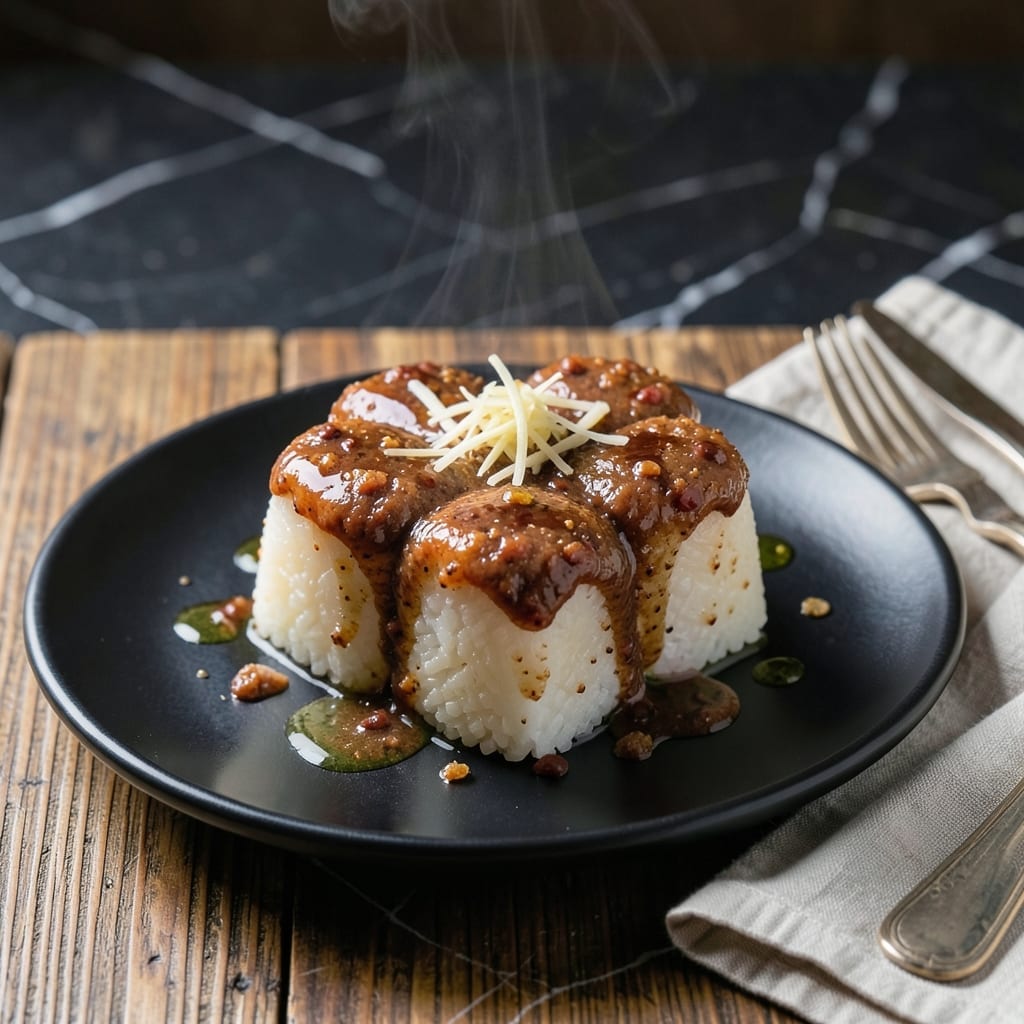
This Korean dish transforms simple rice cakes into a deeply flavorful experience with its signature spicy bean paste sauce. The chewy rice cakes absorb the bold, slightly sweet sauce perfectly.
I developed this recipe to capture the authentic street food taste at home. The key is using the right bean paste and balancing the heat with a touch of sweetness.
The result is tender rice cakes coated in a rich, spicy sauce that delivers complex flavors in every bite. It’s comforting yet exciting.
Serve hot with fish cakes or hard-boiled eggs for a complete meal. Here’s how to make this classic dish.
Ingredients for Korean Bean Paste Rice Cake
Transform simple rice cakes with bold, spicy sauce using these authentic ingredients. Nothing complicated.
| Ingredient | Amount | Notes |
|---|---|---|
| Korean Rice Cakes 🍙 | 1 lb | Cylindrical shape preferred, soaked if hard |
| Korean Red Bean Paste 🫘 | ½ cup | Spicy gochujang variety essential |
| Soy Sauce 🫒 | 3 tbsp | Low-sodium for better control |
| Brown Sugar 🍚 | 2 tbsp | For balancing spice with sweetness |
| Garlic Cloves 🧄 | 4 cloves | Minced for maximum flavor |
| Fresh Ginger 🌿 | 1 tbsp | Grated or finely minced |
| Sesame Oil 🫒 | 1 tbsp | Toasted for best aroma |
| Vegetable Stock 🥫 | 1 cup | Low-sodium preferred for seasoning control |
| Green Onions 🧅 | 4 whole | Thinly sliced for garnish |
| Sesame Seeds 🌰 | 1 tbsp | Toasted for garnish |
| Corn Syrup 🥤 | 1 tbsp | Optional for extra shine |
| Vegetable Oil 🫒 | 2 tbsp | For stir-frying rice cakes |
The rice cakes are everything here—look for cylindrical Korean tteok at H Mart or Korean markets (the frozen section often has the best selection). The gochujang must be Korean red pepper paste with fermented soybeans—Sempio or Chongga brands are reliable. Avoid Chinese or Japanese substitutes. Fresh ginger and garlic are non-negotiable for that authentic depth.
No gochujang? Miso paste plus extra chili flakes gets you in the ballpark, though the flavor won’t be identical. Brown sugar can be swapped for honey (but skip if keeping strictly vegetarian for some interpretations) or maple syrup. The vegetable stock keeps this vegetarian—chicken stock would compromise the dietary restriction. Sesame oil is key; don’t use regular oil as a substitute.
Rice cakes freeze well for 6 months—thaw before using. The sauce keeps 1 week refrigerated. Make extra gochujang mixture; it’s perfect for marinades and dipping sauces. Always toast sesame seeds just before serving for maximum crunch.
Why You’ll Love This Recipe
- Minimal Effort: I just toss the rice cakes in the pan with the bean paste and let the sauce work its magic.
- Sweet-Savory Bliss: The brown sugar and garlic in the bean paste create this rich, sticky glaze that coats every chewy bite.
- Feeds a Crowd: I make a big batch and it disappears fast—great for potlucks or lazy Sunday suppers.
- Budget Stretcher: Honestly, rice cakes and bean paste are cheap, and this fills up my family for pennies per serving.
Step-by-Step Instructions for Korean Bean Paste Rice Cake
Master the technique for chewy rice cakes coated in a rich, spicy-sweet sauce with perfect texture every time.
Step 1: Prepare the Rice Cakes and Aromatics
If your 1 lb Korean Rice Cakes are hard, soak them in warm water for 10-15 minutes until they soften and plump up. Drain well and set aside. Meanwhile, mince the 4 cloves Garlic Cloves and finely grate the 1 tbsp Fresh Ginger—these will form the flavor base for your sauce.
Thinly slice the 4 whole Green Onions, separating the white and green parts. The white portions will cook into the sauce, while the green tops will garnish the finished dish. This separation ensures even cooking and a pop of fresh color at the end.
Step 2: Build the Flavor Base
Heat the 2 tbsp Vegetable Oil in a large skillet or wok over medium-high heat. Add the minced garlic and grated ginger, stir-frying for 30 seconds until fragrant but not browned. The aroma will be intense—this is the moment your kitchen starts to smell incredible.
Immediately add the 0.5 cup Korean Red Bean Paste, 3 tbsp Soy Sauce, and 2 tbsp Brown Sugar. Stir constantly for 1-2 minutes until the mixture darkens slightly and the sugar dissolves. This step deepens the sauce’s complexity and balances the heat with sweetness.
Step 3: Simmer and Thicken the Sauce
Pour in the 1 cup Vegetable Stock and stir to combine. Add the 1 tbsp Corn Syrup if using—it lends a subtle gloss to the sauce. Reduce the heat to medium and let the mixture simmer for 5-7 minutes until it thickens enough to coat the back of a spoon.
Taste and adjust the seasoning if needed, though the sauce should already have a bold, balanced flavor. The consistency should be thick but still pourable—this ensures it clings perfectly to the rice cakes without pooling at the bottom of the dish.
Step 4: Cook the Rice Cakes and Finish
Add the drained 1 lb Korean Rice Cakes to the skillet, stirring gently to coat them evenly in the sauce. Cook for 5-6 minutes, stirring occasionally, until the rice cakes absorb some of the sauce and become tender. Avoid over-stirring, as this can break the rice cakes apart.
Drizzle the 1 tbsp Sesame Oil over the top and stir once more to distribute. The rice cakes should be glossy and slightly sticky, with the sauce thickened to a glaze-like consistency. This is when you know it’s ready.
Step 5: Garnish and Serve
Transfer the rice cakes to a serving dish and sprinkle with the reserved green onion tops and 1 tbsp Sesame Seeds. The sesame seeds add a nutty crunch that contrasts beautifully with the chewy rice cakes and rich sauce.
Serve immediately while hot. The dish should have a vibrant red hue from the bean paste, with each bite delivering a perfect balance of chewy texture, spicy heat, and sweet depth. The sauce will thicken slightly as it cools, so don’t delay.
Pro Tips For Making Korean Bean Paste Rice Cake
- Soak Rice Cakes: I learned this the hard way—if using dried rice cakes, soak them in warm water for 15-20 minutes until soft, or they’ll stay chewy and never absorb the sauce properly.
- Toast the Bean Paste: Cook the red bean paste in the pan for 2-3 minutes before adding liquids—this deepens the flavor and removes any raw bean taste.
- Skip the Overcrowding: Sounds obvious, but resist the urge to dump all the rice cakes in at once; cook in batches if needed so they sear, not steam.
- Balance the Sweetness: Brown sugar can overpower the dish, so start with half the amount you think you need, taste, then adjust—my grandmother swore by this and she was right.
Essential Equipment for Great korean bean paste rice cake
Essential Cookware
I always use a large, heavy-bottomed skillet or wok for this dish—the wide surface area lets the rice cakes cook evenly without crowding. A 12-inch cast iron skillet from Lodge is my go-to for even heat distribution. Nonstick works too but won’t develop the same depth of flavor. 🔥
Wooden Tools
A wooden spoon or spatula is essential for stirring the sauce and rice cakes without scratching your cookware. I prefer a flat-edged wooden spatula to gently fold the rice cakes through the sauce. Avoid metal utensils with nonstick pans.
Precision Measuring
For the sauce ingredients, I rely on OXO Good Grips measuring spoons and cups—they’re durable and easy to read. The ½ cup gochujang and 2 tbsp brown sugar measurements need to be accurate for the right balance of heat and sweetness.
Prep Bowls
Have 3 small bowls ready for your minced garlic, grated ginger, and sliced green onions. This keeps your workflow smooth when the cooking starts. I use Pyrex glass bowls because they’re microwave-safe if you need to soften the rice cakes quickly.
Serving Dish
A wide, shallow bowl or platter works best for serving—it lets the glossy sauce pool slightly around the rice cakes. I love using a Korean stoneware dish for authenticity. The presentation should be as vibrant as the flavors.
Optional Extras
For garnishing, keep a small sesame seed grinder on hand if you want to toast seeds fresh. A microplane makes quick work of the ginger. These aren’t essential but elevate the experience. ✨
Nutrition Facts
Frequently Asked Questions
What if my rice cakes are too hard?
Soak them in warm water for 10-15 minutes until soft and plump. Drain well before cooking to prevent watery sauce. This works for both fresh and frozen varieties.
Can I adjust the spice level?
Reduce the bean paste by 1-2 tbsp and add extra brown sugar for sweetness. For more heat, add 1 tsp gochugaru (Korean red pepper flakes).
How do I store leftovers?
Keep in an airtight container in the fridge for up to 3 days. Reheat gently with a splash of water to restore the sauce’s consistency.
Why did my sauce turn out thin?
Simmer it longer before adding rice cakes. The sauce should coat a spoon thickly. If needed, mix 1 tsp cornstarch with water and stir in.

- Jollof Rice Sauce Recipe: West African Tomato and Spice Infusion - September 25, 2026
- Japanese Rice Soup Recipe: Umami-Rich Comfort in a Bowl - September 25, 2026
- Homemade Cream Of Rice Recipe: Silk-Smooth Breakfast in Minutes - September 25, 2026