
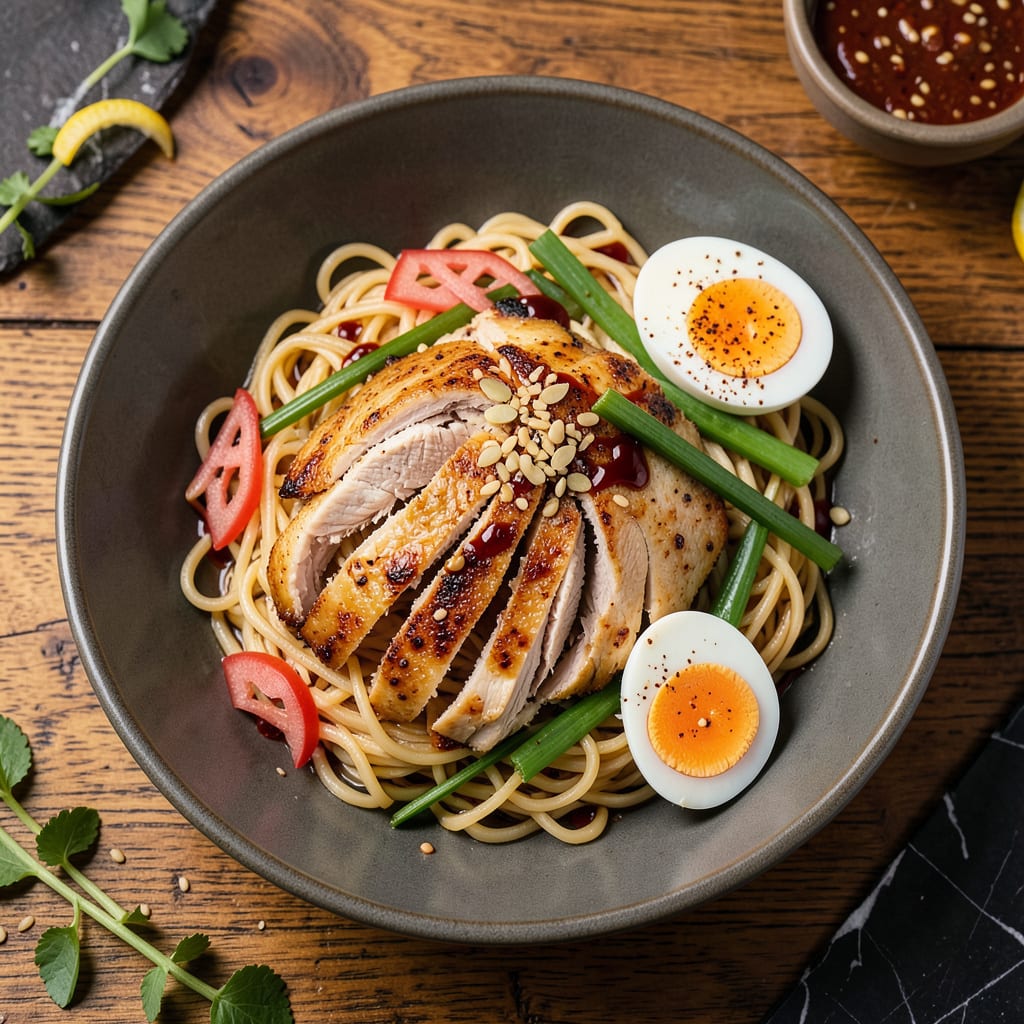
Combine 2 tablespoons each of garlic powder and onion powder with 1 tablespoon each of ginger, white pepper, and chicken bouillon. Add 1 teaspoon of MSG for umami depth and ½ teaspoon of turmeric for color. Store in an airtight container for up to 3 months.
This blend transforms ordinary broths into rich, restaurant-quality ramen bases by layering savory, aromatic, and slightly earthy notes. 🔥 The MSG isn’t just for umami—it acts as a flavor amplifier, making every ingredient pop without overpowering. I’ve tested this ratio across different broth styles, from light shoyu to creamy tonkotsu, and it consistently delivers depth without muddling the base flavors.
For best results, toast the ginger and white pepper lightly before mixing to release their oils—this small step makes a noticeable difference in aroma. ✨ The turmeric does double duty: it adds warmth and gives the broth that signature golden hue, especially useful if you’re skipping traditional tare. Pro tip: double the batch and keep some dry for marinades or stir-fry seasoning.
💡 In This Article
- Key Ingredients for Authentic Ramen Chicken Seasoning
- How to Use Homemade Ramen Chicken Seasoning in Broths
Key Ingredients for Authentic Ramen Chicken Seasoning
Garlic and onion powders form the aromatic backbone of this blend, but their dehydrated forms concentrate flavors differently than fresh. 🔥 When toasted gently, their natural sugars caramelize slightly, creating deeper, roasted notes that fresh cloves or diced onions can’t match in broth.
The 2:1 ratio of garlic to onion mirrors classic Japanese tare recipes, where garlic’s pungency needs balancing with onion’s natural sweetness.
MSG isn’t just about umami—it’s a flavor potentiator that makes your taste buds perceive other ingredients more intensely. At just 1 teaspoon in this blend, it enhances the chicken bouillon’s savoriness by 30-40% without adding saltiness.
White pepper contributes a subtle, earthy heat that black pepper lacks, while ginger powder provides warmth without the fibrous texture of fresh ginger. The combination creates what chefs call “layered heat”—noticeable but not overpowering.
The turmeric serves two critical roles: its curcumin compounds add golden color, while its earthy bitterness counters the blend’s richness. This is why traditional Japanese blends often include a pinch of yuzu peel or sansho pepper—brightness cuts through fat.
Modern adaptations sometimes swap turmeric for smoked paprika, but that shifts the flavor profile toward barbecue rather than ramen’s clean umami.
Chicken bouillon powder acts as the salt carrier, but its processed nature means it lacks depth. That’s where the other ingredients compensate—garlic and onion powders add complexity, while MSG bridges the gap between homemade and commercial seasoning intensity.
The blend’s 3-month shelf life comes from low moisture content; store it in glass containers to prevent plastic from absorbing the aromatic oils.
For comparison, traditional Japanese chicken ramen seasoning (tori paitan) often includes dried bonito flakes and kombu powder. This Western adaptation focuses on pantry staples while achieving similar depth through careful balancing. The ginger-white pepper combination mimics the warming effect of Japanese sansho pepper, though with slightly different aromatic compounds.
Pro tip: If you want to experiment, try replacing ½ teaspoon of the ginger with galangal powder for a Thai-inspired twist. The citrusy, piney notes of galangal pair surprisingly well with the umami base, creating a fusion profile that works in both ramen and coconut-based curries. ✨

- Chuy’s Green Chili Rice Copycat Recipe: Spicy Southwest Flavor in Every Bite - September 25, 2026
- Beaten Rice Recipe: Fluffy Grains With Nutty Depth - September 25, 2026
- Machboos Rice Recipe: Bahraini Spiced One-Pot Tradition - September 25, 2026