
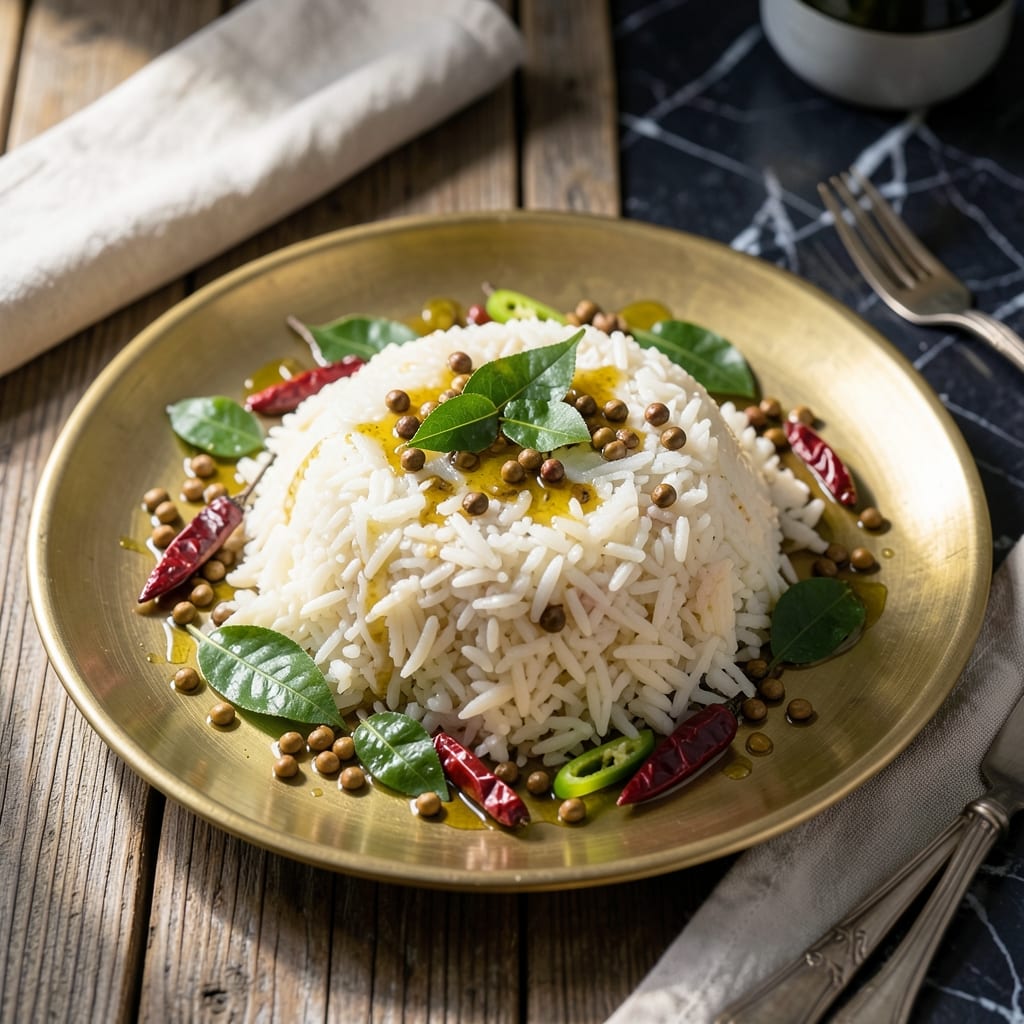
This traditional Kannada dish brings the unique tang of fermented rice to your table with a perfect balance of flavors.
I’ve refined this method to highlight the natural sourness of fermented rice, enhanced by a simple yet aromatic tempering of mustard seeds, curry leaves, and green chilies. The process is straightforward but requires patience for the rice to ferment properly.
What results is a comforting, slightly tangy porridge with layers of spiced warmth. The tempering adds a fragrant crunch that elevates every spoonful, making it a beloved staple in South Indian homes.
Serve it warm or at room temperature, paired with yogurt or a side of spicy chutney for a satisfying meal.
Ingredients for Rice Ambali
Simple fermented rice meets bold tempering for a tangy, comforting South Indian classic.
| Ingredient | Amount | Notes |
|---|---|---|
| Raw Rice 🍚 | 1 cup | Short-grain or broken rice preferred |
| Water 💧 | 4 cups | For soaking and fermenting |
| Mustard Seeds 🌿 | 1 tsp | Black or yellow variety |
| Curry Leaves 🍃 | 10 pieces | Fresh for best aroma |
| Green Chilies 🌶️ | 2 whole | Slit lengthwise, adjust to taste |
| Dried Red Chilies 🌶️ | 2 whole | Broken into pieces |
| Asafoetida (Hing) 🧂 | ¼ tsp | Optional for umami depth |
| Turmeric Powder 🌿 | ¼ tsp | For color and earthiness |
| Salt 🧂 | 1 tsp | Adjust to taste |
| Coconut Oil 🥥 | 2 tbsp | For tempering |
| Fresh Cilantro 🌿 | ¼ cup | Chopped, for garnish |
| Ginger 🌿 | 1 piece | 1-inch, grated or minced |
The rice quality is key here. Short-grain or broken rice ferments faster and yields creamier results—Patna rice is traditional if you can find it at an Indian grocery store. Mustard seeds and curry leaves are non-negotiable for authentic tempering. Look for fresh curry leaves (they freeze well) or dried in a pinch. Asafoetida adds depth but can be omitted if unavailable.
No curry leaves? Dried methi (fenugreek) leaves at half the amount offer a similar earthy note. Green chilies can be swapped for serrano peppers—adjust heat to preference. Coconut oil is ideal for tempering, but neutral oils like sunflower work too. For extra tang, add a splash of tamarind pulp (soak 1 tsp in warm water) to the fermented rice.
Fermented rice keeps 2-3 days in the fridge—stir before serving as it thickens. Tempering mixes can be prepped ahead and stored at room temperature for 1 week. Always use clean, dry jars for fermentation to prevent mold. Serve with fresh cilantro for brightness.
Why You’ll Love This Recipe
- One Pot Wonder: I just dump rice, water, and a tempering of mustard seeds, curry leaves, and green chilies—no fancy steps.
- Flavor Bomb: The sizzle of mustard seeds with fresh curry leaves and green chilies makes it ridiculously good.
- Breakfast or Dinner: Honestly, it’s my go-to for a light dinner or a filling breakfast the next morning.
- Penny Pincher: Raw rice, a few spices, and water—this costs less than takeout and feeds my family for days.
Step-by-Step Instructions for Rice Ambali
Master the fermentation and tempering process for authentic tangy flavor and perfect texture.
Step 1: Soak and Ferment the Rice
Rinse the 1 cup raw rice thoroughly under cold water until the water runs clear. This removes excess starch and prevents bitterness in the final dish. Drain completely using a fine-mesh strainer.
Transfer the rice to a large bowl and add the 4 cups water. Cover with a clean kitchen towel and let soak at room temperature for 4-6 hours or overnight. You’ll notice the rice grains plump significantly and the water turns slightly cloudy—this indicates proper hydration for fermentation.
The longer soak time develops the characteristic tangy flavor of ambali. I check after 4 hours for a milder taste or extend to 8-12 hours for more pronounced fermentation.
Step 2: Grind and Prepare the Batter
Drain the soaked rice completely, reserving the soaking water. Transfer the rice to a blender along with the 1 piece ginger (peeled and roughly chopped). Add ½ cup of the reserved soaking water to help with blending.
Blend until you achieve a smooth, pancake batter-like consistency. Add more reserved water 1-2 tablespoons at a time if needed. The batter should coat the back of a spoon but still be pourable. Avoid over-grinding, which can make the ambali gummy.
Transfer the batter to a clean bowl and whisk in the 1 tsp salt and 0.25 tsp turmeric powder until fully incorporated. The turmeric will give the ambali its characteristic golden hue.
Step 3: Steam the Ambali
Pour the batter into a greased steaming dish or shallow bowl that fits in your steamer. I use a 8-inch round cake pan for even cooking. The batter should be about ½-inch thick in the dish.
Bring water to a boil in your steamer, then reduce to medium heat. Place the dish in the steamer, cover with a tight-fitting lid, and steam for 20-25 minutes. Check that the water doesn’t touch the bottom of the dish.
You’ll know it’s done when the top looks set and a toothpick inserted in the center comes out clean. The ambali should be firm but slightly jiggly, like a well-set custard. Remove from the steamer and let cool slightly.
Step 4: Prepare the Tempering
Heat the 2 tbsp coconut oil in a small pan over medium heat. Add the 1 tsp mustard seeds and let them sizzle for 30-45 seconds until they pop and turn grayish-white.
Immediately add the 2 whole green chilies (slit lengthwise), 2 whole dried red chilies (broken into pieces), 10 pieces curry leaves, and 0.25 tsp asafoetida (hing). Stir constantly for 20-30 seconds until the chilies darken slightly and the curry leaves become crisp.
Be careful—the mustard seeds will pop, and the chilies may release capsicum fumes. I always keep the pan at arm’s length when adding the mustard seeds to avoid burns. Remove from heat as soon as the tempering is fragrant to prevent burning.
Step 5: Temper and Garnish
Once the ambali has cooled slightly but is still warm, use a sharp knife to cut it into diamond or square shapes while still in the dish. This traditional presentation makes it easier to serve and eat.
Pour the hot tempering evenly over the cut ambali. The sizzling oil will infuse the dish with incredible aroma. Let it sit for 5 minutes to allow the flavors to meld together.
Garnish with the 0.25 cup fresh cilantro (chopped) just before serving. The cilantro adds a fresh, herbal note that balances the tangy, spiced flavors. Serve warm or at room temperature for the best texture and flavor.
Pro Tips For Making Rice Ambali
- Soak the Rice: Give raw rice a 15-minute soak in water before cooking—it softens just enough to cut the cooking time in half and prevents that stubborn hard core. I learned this the hard way after too many batches with uncooked centers.
- Temper the Spices: Heat mustard seeds in oil until they pop, then add curry leaves and green chilies for 30 seconds—any longer and the chilies turn bitter. Sounds simple, but I burned my first three attempts by walking away.
- Use Hot Water: Pour boiling water over the rice instead of cold—it jumpstarts the cooking and guarantees an even, porridge-like consistency. My grandmother swore by this, and she was right.
- Crush the Mustard: Lightly crush half the mustard seeds with your palm before tempering to release more flavor. This isn’t the prettiest method, but it actually changes the outcome—more aroma, less wasted spice.
Health Benefits of This rice ambali
Digestive Health Boost
Fermented foods like this dish are rich in probiotics that support gut health. The natural fermentation process creates beneficial bacteria like Lactobacillus, which aids digestion and improves gut flora balance. I notice better digestion when I include fermented rice regularly in my meals. 💪
Rich in B Vitamins
Rice provides essential B vitamins, particularly B1, B3, and B6, which are crucial for energy metabolism and nervous system function. The fermentation process actually increases the bioavailability of these nutrients, making them easier for your body to absorb.
Easy on the Stomach
The soft, porridge-like texture makes this dish gentle on digestion, ideal for those recovering from illness or with sensitive stomachs. The steaming process breaks down the rice starches, creating a soothing food that’s easily digestible.
Antioxidant Properties
Turmeric in the recipe contains curcumin, a powerful antioxidant that helps combat inflammation. Combined with the ginger, which has its own anti-inflammatory properties, this dish offers natural health benefits beyond basic nutrition.
Low in Fat
With only 2 tbsp coconut oil used for the entire recipe, this is a naturally low-fat dish that fits well into heart-healthy diets. The tempering adds flavor without significant calories, making it both delicious and nutritious.
The coconut oil provides healthy medium-chain fatty acids that are metabolized differently than other fats. 🥗
Nutrition Facts
Frequently Asked Questions
How long should I ferment the rice?
Ferment for 4-6 hours for mild tang or extend to 8-12 hours for stronger flavor. The warmer your kitchen, the faster it will ferment.
Can I use regular rice instead of short-grain?
Short-grain ferments better, but you can use regular rice. Soak it 1-2 hours longer and blend extra well for smooth texture.
Why is my ambali bitter?
Bitterness comes from over-fermentation or unrinsed rice. Always rinse rice thoroughly and check fermentation at 4 hours to avoid overdoing it.
Can I make this without a steamer?
Use a pressure cooker with 1 cup water for 15 minutes on medium heat. Or bake at 350°F in a water bath for 30 minutes.

- Rice Pudding Recipe With Eggs and Milk: Old-Fashioned Custard-Style Comfort - September 30, 2026
- Rice Noodle Sauce Recipe: Bold Umami Depth for Authentic Stir-Fry - September 30, 2026
- Rice Pilaf Recipe: Fragrant Basmati With Toasted Vermicelli - September 30, 2026