
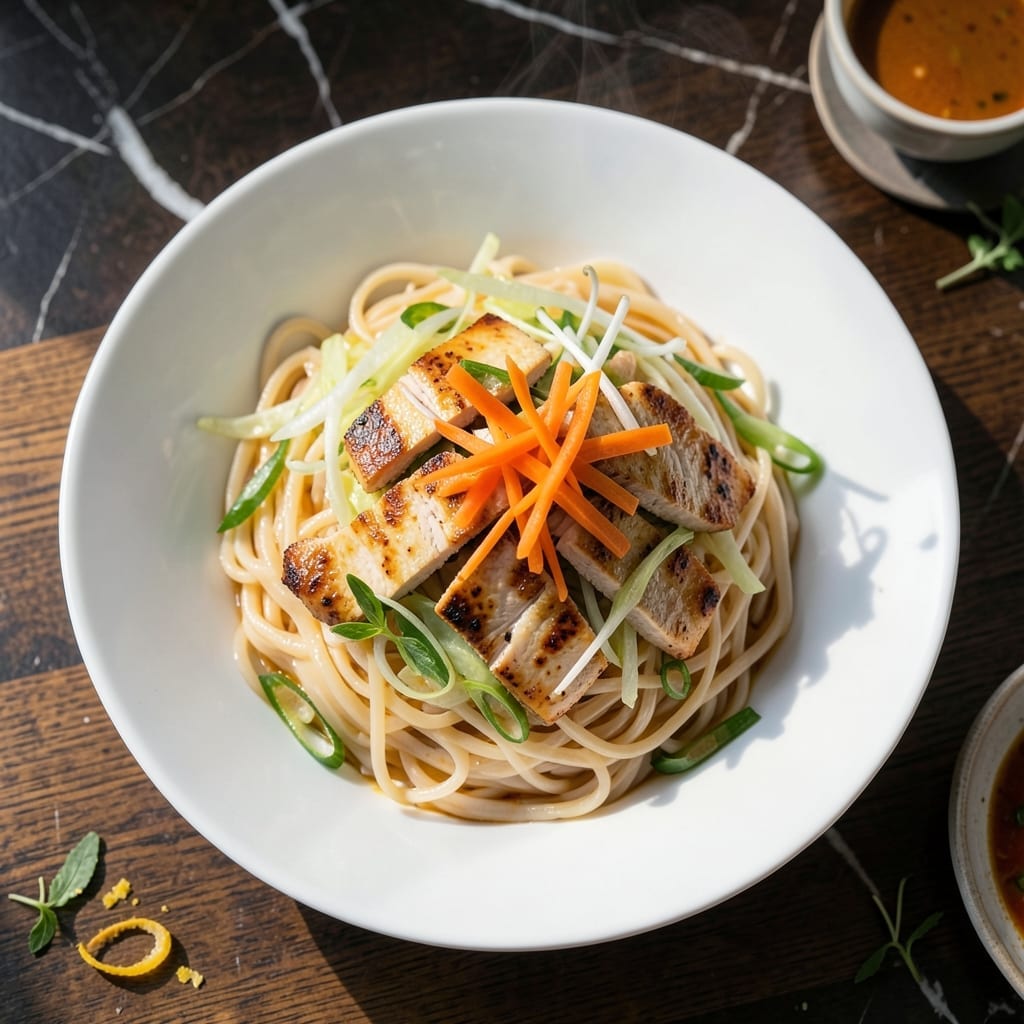
This savory wok-tossed delight brings classic takeout flavors to your home kitchen. The secret lies in the perfect balance of vegetables, protein, and that signature sauce that coats every bite.
I’ve tested this recipe repeatedly to nail the authentic taste and texture. The result is a dish that’s just as satisfying as your favorite restaurant version, with the added benefit of knowing exactly what’s in it.
Ingredients for Rice Oriental Copycat
Simple ingredients for that takeout magic at home. Nothing exotic, just right.
| Ingredient | Amount | Notes |
|---|---|---|
| Rice Noodles 🍜 | 8 oz | Dried, thin variety preferred |
| Chicken Breast 🍗 | 1 lb | Boneless, skinless, thinly sliced |
| Carrots 🥕 | 2 whole | Julienned or thinly sliced |
| Cabbage 🥬 | 2 cups | Shredded, green or purple |
| Green Onions 🧅 | 4 whole | Thinly sliced, green parts only |
| Bean Sprouts 🌱 | 1 cup | Rinsed and drained |
| Garlic Cloves 🧄 | 3 cloves | Minced finely |
| Soy Sauce 🫕 | ⅓ cup | Low-sodium preferred |
| Oyster Sauce 🫕 | 2 tbsp | Vegetarian oyster sauce optional |
| Sesame Oil 🫒 | 1 tbsp | Toasted for best flavor |
| Vegetable Oil 🫒 | 2 tbsp | For stir-frying |
| Salt 🧂 | ½ tsp | To taste |
| Black Pepper 🌶️ | ¼ tsp | Freshly ground |
| Ginger Root 🌿 | 1 tbsp | Freshly grated |
The noodles make this dish—look for rice stick noodles in the Asian aisle or any well-stocked grocery store. I grab mine from H Mart or Walmart when I’m restocking. For the chicken, thin-sliced breast cooks fast and stays tender. If you’ve got leftovers, shredded rotisserie chicken works in a pinch (don’t tell anyone). Fresh ginger and garlic? Non-negotiable for that authentic kick.
No oyster sauce? Hoisin or teriyaki can step in, though the flavor shifts a bit. Vegetarian? Mushroom stir-fry sauce nails the umami. Short on veggies? Swap in bell peppers or snap peas—whatever’s crisp in your crisper. The cabbage is flexible too (Napa or Savoy if you’re feeling fancy). Pro tip: slice everything before you start cooking. Wok moves fast.
Leftovers keep 3-4 days in the fridge, though the noodles soften a bit. Reheat in a skillet with a splash of water to revive. Freezes for 2 months if you double the batch (just undercook the noodles first).
Why You’ll Love This Recipe
- One Pot Wonder: I toss everything—the noodles, chicken, and veggies—into a single pan and let it do its thing.
- Crave-Worthy Sauce: The blend of soy, garlic, and ginger coats the rice noodles and chicken in this spot-on copycat flavor.
- Feeds a Crowd: Between us, this stretches to four generous servings with just one chicken breast and a handful of fresh cabbage and carrots.
- Leftovers for Days: Honestly, it reheats beautifully so I pack it for lunch the next day without losing that fresh, crisp bite from the green onions.
Step-by-Step Instructions for Wok-Tossed Savory Noodle Delight
This copycat method delivers that signature takeout flavor with crisp, colorful veggies in every bite.
Step 1: Soak the Rice Noodles Until Pliable
Place the 8 oz Rice Noodles in a large bowl and cover with hot tap water. I use water just warm enough to touch but not boiling—this prevents the noodles from becoming mushy. Soak for 8-10 minutes until they’re flexible but still slightly firm to the bite.
Drain immediately and rinse under cold water to stop the cooking process. This step is crucial—over-soaked noodles will turn to paste when stir-fried. Toss with 1 tsp of the Vegetable Oil to prevent sticking while you prep the other ingredients.
Step 2: Stir-Fry the Chicken and Aromatics
Heat the remaining 1 tbsp Vegetable Oil in a large wok or skillet over high heat until it shimmers. Add the 1 lb Chicken Breast and cook for 3-4 minutes until it loses its pink color and starts to brown. I stir constantly to ensure even cooking and prevent sticking.
Push the chicken to one side and add the 3 cloves Garlic Cloves and 1 tbsp Ginger Root. Stir-fry for 30 seconds until fragrant—don’t let the garlic burn. This builds the flavor foundation that makes this dish taste authentic.
Step 3: Add Vegetables and Cook Until Crisp-Tender
Toss in the 2 whole Carrots, 2 cups Cabbage, and 1 cup Bean Sprouts. Stir-fry for 4-5 minutes until the vegetables soften slightly but retain their bright color and crisp texture. The carrots should be tender enough to pierce easily with a fork but still have bite.
Add the 4 whole Green Onions and cook for 1 additional minute. The green onions add a fresh, oniony brightness that balances the rich sauces. Keep everything moving in the wok to prevent burning.
Step 4: Combine with Sauce and Noodles
In a small bowl, mix the 0.33 cup Soy Sauce, 2 tbsp Oyster Sauce, 1 tbsp Sesame Oil, 0.5 tsp Salt, and 0.25 tsp Black Pepper. Pour this over the chicken and vegetables in the wok.
Add the drained rice noodles and toss everything together for 2-3 minutes until the noodles are heated through and coated evenly with the sauce. The noodles should be tender but still chewy, and the sauce should cling to every strand without pooling at the bottom of the wok.
Pro Tips For Making Rice Oriental Copycat
- Soak the Noodles: Cover rice noodles in hot water for exactly 8-10 minutes—any longer and they turn to mush. I learned this the hard way after serving a bowl of paste to my in-laws.
- Slice Chicken Thin: Cut the chicken breast into ¼-inch strips against the grain. It cooks in half the time and stays tender, even if you accidentally overheat the pan.
- Skip the Cold Cabbage: Let your shredded cabbage sit at room temperature for 10 minutes before cooking. Sounds weird, but it works: the edges caramelize instead of steaming into sogginess.
- Save the Onion Tops: Don’t toss the dark green parts of your green onions—slice them thin and add them at the end for a fresh, sharp bite. I was skeptical until I tried it, but now it’s non-negotiable.
Dietary Considerations for This rice oriental copycat
Gluten-Free Adaptation
Swap regular soy sauce for tamari or certified gluten-free soy sauce to make this dish safe for gluten-sensitive diners. I use San-J tamari—it has the same depth of flavor without wheat. Also verify your oyster sauce is gluten-free, as many brands contain wheat as a thickener.
Vegetarian Version
Replace the chicken breast with extra-firm tofu (pressed and cubed) or tempeh. For umami without oyster sauce, use vegetarian stir-fry sauce or mushroom sauce. The rice noodles and veggies provide plenty of texture and satisfaction. 🌱
Lower Sodium Option
Use low-sodium soy sauce and reduce the amount to ¼ cup. Boost flavor with extra garlic and ginger instead. I often add a splash of rice vinegar at the end to brighten the dish without adding salt.
Nut Allergy Note
While this recipe doesn’t contain nuts, many Asian sauces are processed in facilities that handle peanuts or tree nuts. Always check labels on your soy sauce and oyster sauce if allergies are a concern. Kikkoman clearly labels their products for allergens.
Dairy-Free Confirmation
This dish is naturally dairy-free as written. Just double-check that your oyster sauce doesn’t contain any hidden dairy derivatives. Most traditional brands are safe, but specialty versions sometimes add milk powder.
Meal Prep Friendly
This creation reheats beautifully for lunches. Store components separately—keep noodles and sauce apart until reheating to prevent sogginess. It stays fresh for 4 days in the fridge. 💡
Nutrition Facts
Frequently Asked Questions
Can I use regular spaghetti instead of rice noodles?
For best texture, stick with rice noodles. Spaghetti won’t absorb the sauce as well and has a different chew. If you must substitute, use thin spaghetti and undercook it by 1 minute before stir-frying.
Why do my noodles turn mushy?
Over-soaking is the main culprit. Soak rice noodles for only 8-10 minutes in warm water, not boiling, then rinse immediately with cold water to halt cooking. Stir-fry briefly to finish.
How do I make this dish spicier?
Add ½ tsp of red pepper flakes with the garlic and ginger, or drizzle with sriracha at the end. For heat lovers, a dash of chili oil works wonders.
Can I prepare this ahead of time?
Prep all ingredients in advance but keep noodles separate until cooking. Store chopped veggies and sauce in the fridge for up to 1 day to maintain freshness and texture.

- Rice Pudding Recipe With Eggs and Milk: Old-Fashioned Custard-Style Comfort - September 30, 2026
- Rice Noodle Sauce Recipe: Bold Umami Depth for Authentic Stir-Fry - September 30, 2026
- Rice Pilaf Recipe: Fragrant Basmati With Toasted Vermicelli - September 30, 2026