
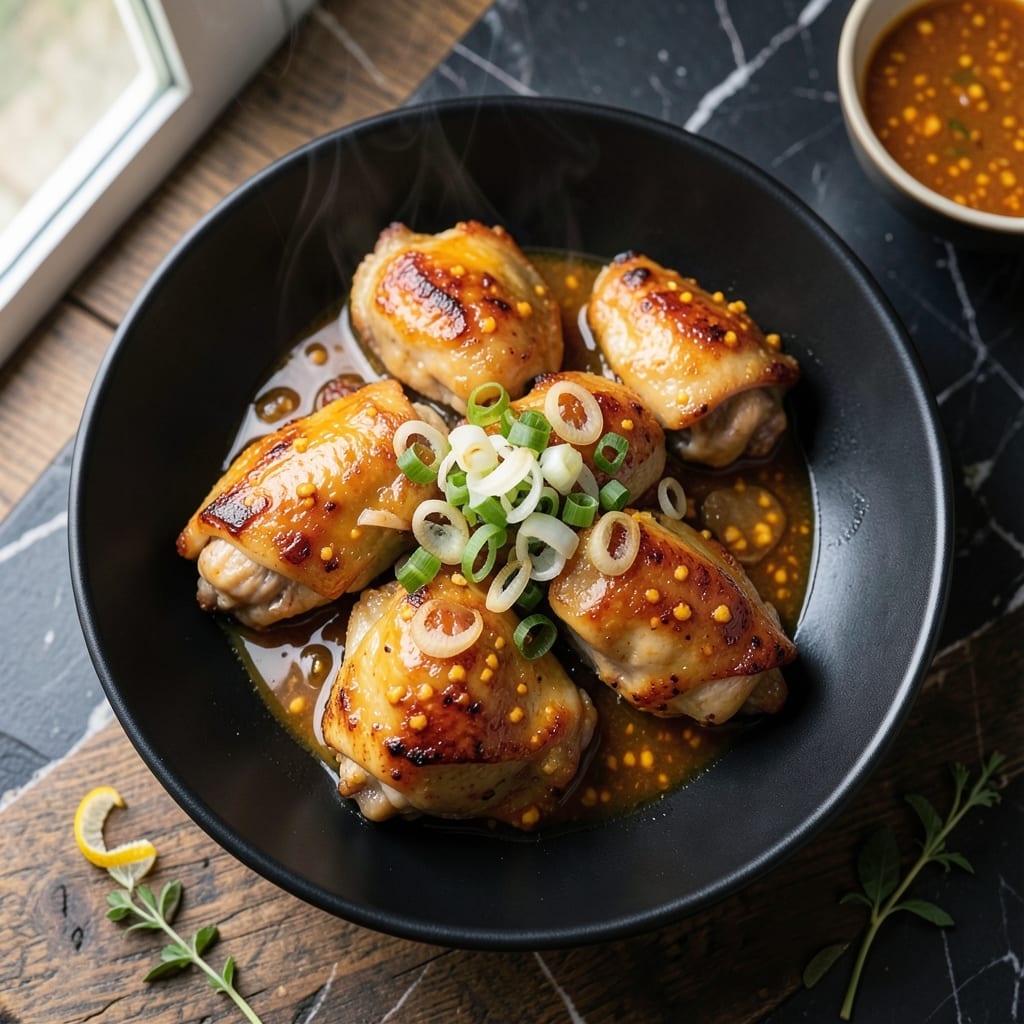
This dish transforms ordinary chicken into something extraordinary with its signature golden crust and tender meat. The secret lies in using salted duck egg yolks, which create a rich, savory coating that’s irresistibly flavorful.
The process involves coating chicken pieces in a simple marinade, then frying them to a perfect crisp before tossing in the salted egg mixture. This ensures every bite delivers that coveted juicy texture inside with a satisfying crunch outside.
What sets this apart is the luxurious sauce that forms from the egg yolks, butter, and aromatics. It clings to the chicken, creating layers of umami and richness that make the dish truly special.
Serve it hot with steamed rice to soak up every drop of the decadent sauce. The contrast between the crispy coating and tender meat is what makes this recipe unforgettable.
Ingredients for Salted Egg Chicken
A few quality ingredients deliver that golden crust and juicy meat you crave.
| Ingredient | Amount | Notes |
|---|---|---|
| Chicken Thighs 🍗 | 1 ½ lb | Boneless, skin-on preferred |
| Salted Duck Egg Yolks 🥚 | 4 whole | Rinsed to remove excess salt |
| Unsalted Butter 🧈 | 4 tbsp | Divided for cooking and sauce |
| Garlic Cloves 🧄 | 4 cloves | Minced for aromatics |
| Fresh Ginger 🌿 | 1 tbsp | Grated for depth |
| Green Onions 🧅 | 3 whole | Thinly sliced for garnish |
| All-Purpose Flour 🌾 | ½ cup | For light coating |
| Cornstarch 🌾 | 2 tbsp | For extra crispiness |
| Soy Sauce 🫒 | 1 tbsp | For marinade umami |
| Shaoxing Wine 🍶 | 1 tbsp | Or dry sherry substitute |
| Granulated Sugar 🧂 | 1 tsp | Balances saltiness |
| White Pepper 🌶️ | ½ tsp | Freshly ground preferred |
| Vegetable Oil 🫒 | 2 cups | For deep frying chicken |
The salted duck egg yolks are non-negotiable here. Asian grocery stores carry them vacuum-sealed—look for bright orange yolks with firm texture. I prefer Lee Kum Kee brand for consistency. The chicken thighs should have skin-on for maximum crisp (bone-in works too, just adjust cooking time). For the butter, European-style adds richness, but any unsalted variety does the trick.
No salted duck eggs? Regular chicken eggs won’t work—the salt content is key. Short on Shaoxing wine? Dry sherry at equal amount is an acceptable swap. The cornstarch can be replaced with potato starch if needed. For gluten-free, use rice flour instead of all-purpose. The green onions are flexible—chives or scallions both taste great.
The fried chicken keeps well in the fridge for 2-3 days, but the sauce thickens as it cools. Reheat gently on the stove with a splash of water. Salted egg yolks can be stored in their brine for 1 month unopened, 2 weeks after opening. Alwaysrinse before using to control salt levels.
Why You’ll Love This Recipe
- One Pan Wonder: I toss everything in—chicken, butter, garlic, ginger—and let the oven do the work.
- Rich & Salty Bliss: The salted egg yolks coat the chicken in this deep, umami-rich sauce that’s honestly irresistible.
- Weeknight Hero: Between us, it’s my go-to for busy evenings when I need something fast but still impressive.
- Leftovers? Yes Please: The flavors actually get better overnight, so I always make extra for lunch the next day.
Step-by-Step Instructions for Salted Egg Chicken
Here’s the method. Straightforward, tested, works every time.
Step 1: Marinate and Coat the Chicken
Cut the 1.5 lb chicken thighs into bite-sized pieces and place them in a bowl. Add the 1 tbsp soy sauce, 1 tbsp Shaoxing wine, 1 tsp granulated sugar, and 0.5 tsp white pepper. Mix well to ensure each piece is evenly coated.
Let the chicken marinate for 15 minutes while you prepare the coating. In a shallow dish, combine the 0.5 cup all-purpose flour and 2 tbsp cornstarch. This blend creates a light, crispy layer that adheres perfectly to the meat.
Step 2: Fry the Chicken to Golden Perfection
Heat the 2 cups vegetable oil in a deep skillet or wok over medium-high heat until it reaches 350°F. A wooden chopstick inserted into the oil should bubble vigorously when it’s ready.
Dredge each piece of marinated chicken in the flour mixture, pressing gently to adhere. Fry in batches to avoid overcrowding, turning occasionally, for 5-6 minutes until golden brown and cooked through. The internal temperature should reach 165°F.
Drain on a wire rack or paper towels to remove excess oil. This step ensures the chicken stays crispy and doesn’t become soggy.
Step 3: Prepare the Salted Egg Yolk Sauce
Rinse the 4 whole salted duck egg yolks under cold water to remove excess salt, then finely chop them. In a clean pan, melt 2 tbsp unsalted butter over medium heat.
Add the 4 cloves minced garlic cloves and 1 tbsp grated fresh ginger, sautéing for 30 seconds until fragrant. Stir in the chopped salted egg yolks and cook for 1-2 minutes until the mixture is heated through and slightly thickened.
Step 4: Combine and Finish
Add the fried chicken to the pan with the salted egg yolk mixture. Toss gently to coat each piece evenly with the rich, golden sauce. Cook for an additional 1-2 minutes to allow the flavors to meld together.
Stir in the remaining 2 tbsp unsalted butter for extra richness, and toss again until the sauce glistens and clings to the chicken. The texture should be velvety, with no dry spots on the meat.
Step 5: Garnish and Serve
Transfer the dish to a serving plate and garnish with the 3 whole thinly sliced green onions. The green onions add a fresh contrast to the rich, savory flavors.
Serve immediately while hot. The chicken should be juicy inside with a crispy exterior, and the salted egg yolk sauce should be golden, creamy, and fragrant. Each bite delivers a perfect balance of savory, salty, and umami notes.
Pro Tips For Making Salted Egg Chicken
- Score the Yolks: Cut the salted duck egg yolks into small chunks before adding to the chicken—this helps them melt evenly into the butter, creating a richer sauce instead of clumpy bits. I learned this the hard way after serving a dish that looked like scrambled eggs.
- Pat Dry the Thighs: Blot the chicken thighs with a paper towel before cooking. Sounds tedious, but it’s the only way to get that crispy, golden skin that soaks up the salted yolk butter properly.
- Low and Slow for Ginger: Sauté the ginger and garlic on medium-low heat for 2-3 minutes until fragrant—any hotter and they’ll burn, turning the sauce bitter. My first few batches tasted like regret until I got this right.
- Use Cold Butter: Add the unsalted butter straight from the fridge and let it melt gradually with the yolks. It emulsifies better, giving you a velvety sauce instead of a greasy pool.
Essential Equipment for Great salted egg chicken
Deep Fryer or Dutch Oven
For the crispiest results, I recommend a 5-6 quart Dutch oven—its heavy base distributes heat evenly. A deep fry thermometer is essential to maintain that 350°F oil temperature. I use my Lodge enameled cast iron for this. 🔥
Wok Alternative
A carbon steel wok works beautifully if you’re cooking in batches. Its sloped sides make it easier to turn the chicken pieces. Just ensure you have enough oil to submerge the chicken halfway for even cooking.
Digital Thermometer
Don’t guess your oil temperature—a digital instant-read thermometer gives precise readings. I trust my ThermoWorks ThermoPop for accuracy. The difference between 340°F and 360°F can mean soggy vs. perfectly crispy chicken.
Wire Rack for Draining
After frying, a wire cooling rack elevated over a baking sheet lets air circulate around the chicken, preventing steam from making it soggy. This is better than paper towels, which can trap moisture against the crust.
Nonstick Skillet for Sauce
Use a nonstick skillet for the salted egg sauce to prevent the yolks from sticking. A 10-inch pan gives enough room to toss the chicken without crowding. The sauce should cling to the chicken, not the pan.
Wooden Spoon or Tongs
Gently toss the chicken in the sauce with a wooden spoon or tongs to avoid breaking the crispy coating. I prefer silicone-tipped tongs—they grip the chicken securely without piercing the crust. 💡
Nutrition Facts
Frequently Asked Questions
Can I use chicken breast instead of thighs?
Chicken breast can work but may dry out. Thighs stay juicier due to higher fat content. If using breast, reduce frying time to 4-5 minutes to prevent toughness.
How do I reduce the saltiness of the egg yolks?
Rinse the yolks under cold water for 1-2 minutes and pat dry. For extra caution, soak them in warm water for 10 minutes before using. This removes excess salt without losing flavor.
Why is my sauce too thick or clumpy?
This happens if yolks are overcooked. Lower the heat to medium and stir constantly. For clumps, add 1-2 tbsp warm water and whisk until smooth.

- Jollof Rice Sauce Recipe: West African Tomato and Spice Infusion - September 25, 2026
- Japanese Rice Soup Recipe: Umami-Rich Comfort in a Bowl - September 25, 2026
- Homemade Cream Of Rice Recipe: Silk-Smooth Breakfast in Minutes - September 25, 2026