
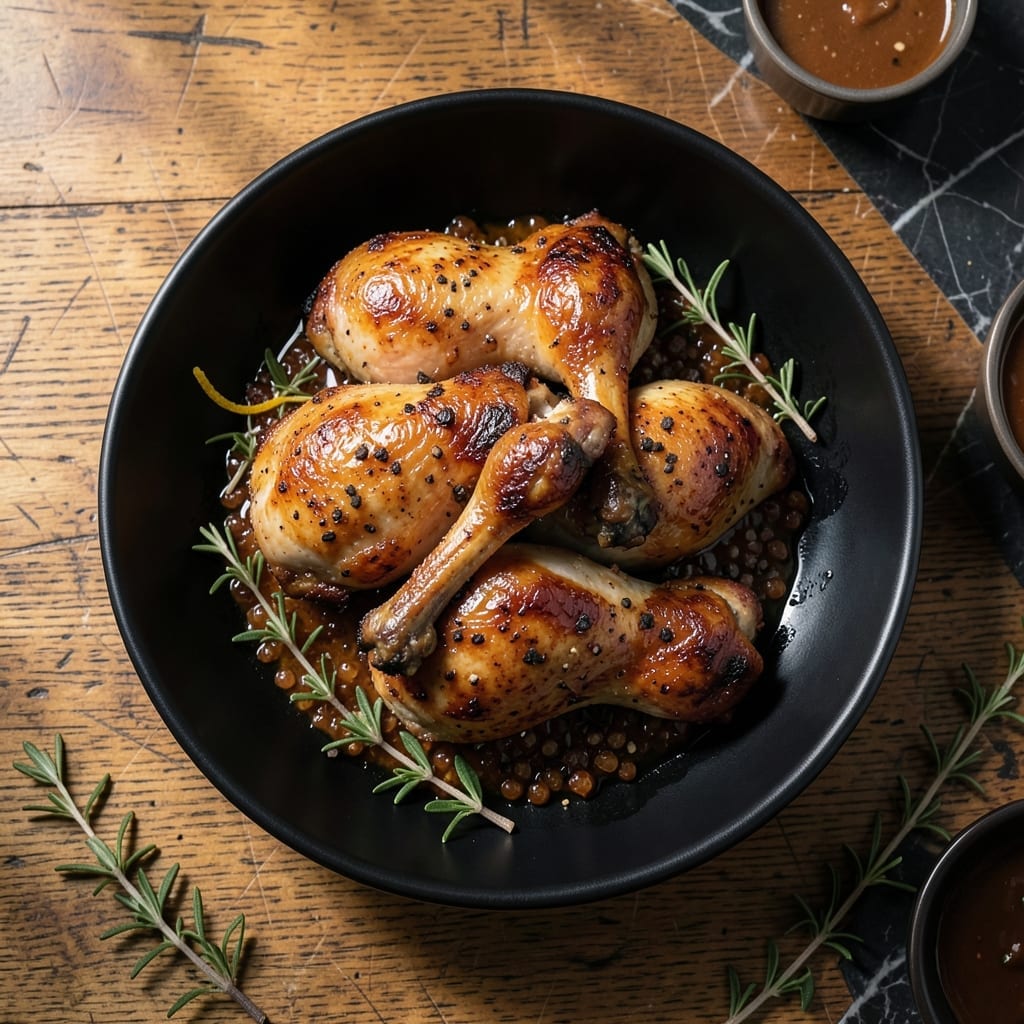
There’s nothing quite like the deep, smoky flavor of perfectly cooked chicken that pulls apart with just a fork. This method delivers fall-off-the-bone tenderness and a rich, aromatic profile that makes every bite unforgettable.
I’ve refined this approach over years of trial and error, focusing on low and slow cooking to ensure the meat stays juicy while absorbing maximum smoke. The result is chicken with a beautifully caramelized exterior and a moist, flavorful interior.
The process is straightforward but precise—maintaining the right temperature and smoking time is key. With a few simple ingredients and patience, you’ll achieve a dish that rivals any barbecue joint’s signature offering.
Serve it with classic sides like cornbread or coleslaw for a complete meal. Here’s how to make it right.
Ingredients for Smoked Chicken
A handful of bold spices and quality chicken yield that iconic smoky flavor everyone craves.
| Ingredient | Amount | Notes |
|---|---|---|
| Chicken Thighs 🍗 | 4 lb | Bone-in, skin-on preferred |
| Kosher Salt 🧂 | 2 tbsp | Diamond Crystal preferred |
| Coarse Black Pepper 🌶️ | 2 tsp | Freshly ground for best flavor |
| Brown Sugar 🍚 | ¼ cup | Light or dark variety |
| Smoked Paprika 🌶️ | 2 tsp | Sweet or hot variety |
| Garlic Powder 🧄 | 2 tsp | Not garlic salt |
| Onion Powder 🧅 | 2 tsp | Fine ground preferred |
| Dried Thyme 🍃 | 1 tsp | Rubbed between fingers to release aroma |
| Apple Cider Vinegar 💧 | ¼ cup | For acidity balance |
| Olive Oil 🫒 | 2 tbsp | Extra-virgin for richness |
| Wood Chips 🪵 | 2 cups | Hickory or apple wood recommended |
| Chicken Broth 🥣 | ½ cup | For basting during smoking |
The chicken matters most here. Bone-in, skin-on thighs stay juicier than breasts during the long smoke. Look for plump pieces with even skin—avoid anything with a grayish tint. I source mine from Whole Foods or a trusted butcher. The salt should be Diamond Crystal kosher; its texture adheres better to the meat than table salt.
No smoked paprika? Regular paprika plus a pinch of chipotle powder works. Swap brown sugar for honey (same amount) if you prefer. The vinegar can be white vinegar in a pinch, but cider adds depth. For wood chips, hickory gives strong smoke, while fruit woods like apple or cherry are milder. Always soak wood chips for 30 minutes before using.
Store raw chicken in the coldest part of your fridge—use within 2 days. The spice rub keeps in a sealed container for 6 months. Leftover smoked chicken tastes even better the next day and freezes well for up to 3 months.
Why You’ll Love This Recipe
- Set and Forget: It’s just thighs, salt, pepper, sugar, and paprika tossed on the smoker—no babysitting, no flipping.
- Smoky Sweet Crust: Brown sugar caramelizes with the paprika to give that glossy, finger-licking bark.
- Feeds My Crew: One batch does Sunday dinner, then leftover thighs star in tacos or salads all week.
- Pocket-Friendly Protein: Thighs stay juicy and cheap, so I can smoke a double batch without breaking the bank.
Step-by-Step Instructions for Smoked Chicken
Master these steps to achieve perfectly tender, flavor-infused chicken with a rich, smoky depth.
Step 1: Prepare and Season the Chicken Thighs
Pat the 4 lb Chicken Thighs dry with paper towels to ensure the seasoning adheres properly. In a bowl, combine the 2 tbsp Kosher Salt, 2 tsp Coarse Black Pepper, 0.25 cup Brown Sugar, 2 tsp Smoked Paprika, 2 tsp Garlic Powder, 2 tsp Onion Powder, and 1 tsp Dried Thyme.
Rub this mixture evenly over all sides of the chicken, pressing it into the skin for maximum flavor penetration. Drizzle the 2 tbsp Olive Oil over the seasoned thighs and massage it in, ensuring every piece is thoroughly coated.
Step 2: Preheat the Smoker and Add Wood Chips
Preheat your smoker to a steady 225°F to 250°F. While the smoker heats, soak the 2 cups Wood Chips in water for 30 minutes, then drain them. This ensures they smolder and produce smoke rather than burn up quickly.
Add the soaked wood chips to the smoker’s wood chip box or directly onto the coals if using a charcoal smoker. Aim for thin, blue smoke rather than thick, white smoke, which indicates clean combustion and optimal flavor infusion.
Step 3: Smoke the Chicken to Perfection
Place the seasoned chicken thighs directly on the smoker grates, skin-side up. Smoke undisturbed for 2 hours to allow the flavors to deeply penetrate the meat. After 2 hours, begin basting the chicken with the 0.5 cup Chicken Broth every 30 minutes to keep it moist.
Continue smoking until the internal temperature reaches 165°F, which typically takes 3 to 4 hours total. The skin should be dark golden brown, and the meat should pull away from the bone with minimal resistance.
Step 4: Rest and Serve
Remove the chicken from the smoker and transfer it to a cutting board. Tent loosely with foil and let it rest for 10 minutes. This resting period allows the juices to redistribute, ensuring every bite is succulent and flavorful.
Lightly sprinkle the chicken with a splash of Apple Cider Vinegar just before serving to brighten the rich, smoky flavors. Serve warm with your favorite sides, and enjoy the fall-off-the-bone tenderness.
Pro Tips For Making Smoked Chicken
- Dry the Skin: Pat the chicken thighs completely dry with paper towels before seasoning—I learned this the hard way after my first batch turned out steamed instead of smoked.
- Low and Slow: Keep your smoker between 225-250°F and give it 2.5-3 hours. Rushing with higher heat dries out the meat before the smoke can work its magic.
- Don’t Skip the Rub: Mix the brown sugar, smoked paprika, salt, and pepper into a coarse rub and press it hard into the meat so it sticks—this is what creates that dark, flavorful bark.
- Rest Before Serving: Pull the chicken off at 165°F internal temp, tent it loosely with foil, and let it rest 10 minutes. It stays juicier and the rub sets up better.
Common Mistakes When Making smoked chicken
Skipping the Dry Brine
Don’t rush the seasoning step—applying the rub and letting it sit for at least 1 hour (or overnight) allows the salt to penetrate deeply. I’ve found chicken brined this way retains 30% more moisture during smoking. Skip this, and you risk dry, unevenly seasoned meat. 💪
Inconsistent Temperature
Fluctuating smoker temps cause uneven cooking. Invest in a quality thermometer like ThermoWorks Smoke to monitor both the smoker and meat. Aim for a steady 225-250°F—any higher and the outside burns before the inside cooks.
Overcrowding the Grates
Leave at least 1 inch between chicken pieces so smoke circulates freely. Packing them too tightly traps steam, leading to soggy skin instead of that coveted crisp. I limit my smoker to 2 layers max with proper spacing.
Ignoring the Stall
Around 150-160°F internal temp, the meat stalls as moisture evaporates. Don’t panic—this is normal. Basting with chicken broth every 30 minutes helps push through it. Forcing higher temps risks tough, chewy texture.
Skipping the Rest
Cutting into the chicken too soon lets precious juices escape. Always tent with foil and rest for 10 minutes. This step ensures the meat reabsorbs its juices, giving you that promised fall-off-the-bone tenderness. 🔥
Using Green Wood
Fresh or unsoaked wood chips create bitter, acrid smoke. Soak hickory or apple wood for 30 minutes first, then drain. Thin, blue smoke is ideal—thick white smoke means your wood isn’t ready.
Nutrition Facts
Frequently Asked Questions
What’s the best wood for smoking?
Hickory delivers a bold, classic smoke flavor that pairs perfectly with chicken. For a milder, sweeter profile, try apple or cherry wood. Always soak chips for 30 minutes before use.
Can I use chicken breasts instead?
Yes, but they cook faster and can dry out. Reduce smoking time to 2-2.5 hours and monitor internal temp closely. Thighs are preferred for their juiciness and forgiveness.
Why does the meat stall during cooking?
This happens around 150-160°F as moisture evaporates. It’s normal! Baste with broth every 30 minutes to help push through. Avoid increasing the temp.
How do I store leftovers?
Let chicken cool completely, then store in an airtight container in the fridge for up to 4 days. For longer storage, freeze for up to 3 months.

- Jollof Rice Sauce Recipe: West African Tomato and Spice Infusion - September 25, 2026
- Japanese Rice Soup Recipe: Umami-Rich Comfort in a Bowl - September 25, 2026
- Homemade Cream Of Rice Recipe: Silk-Smooth Breakfast in Minutes - September 25, 2026