
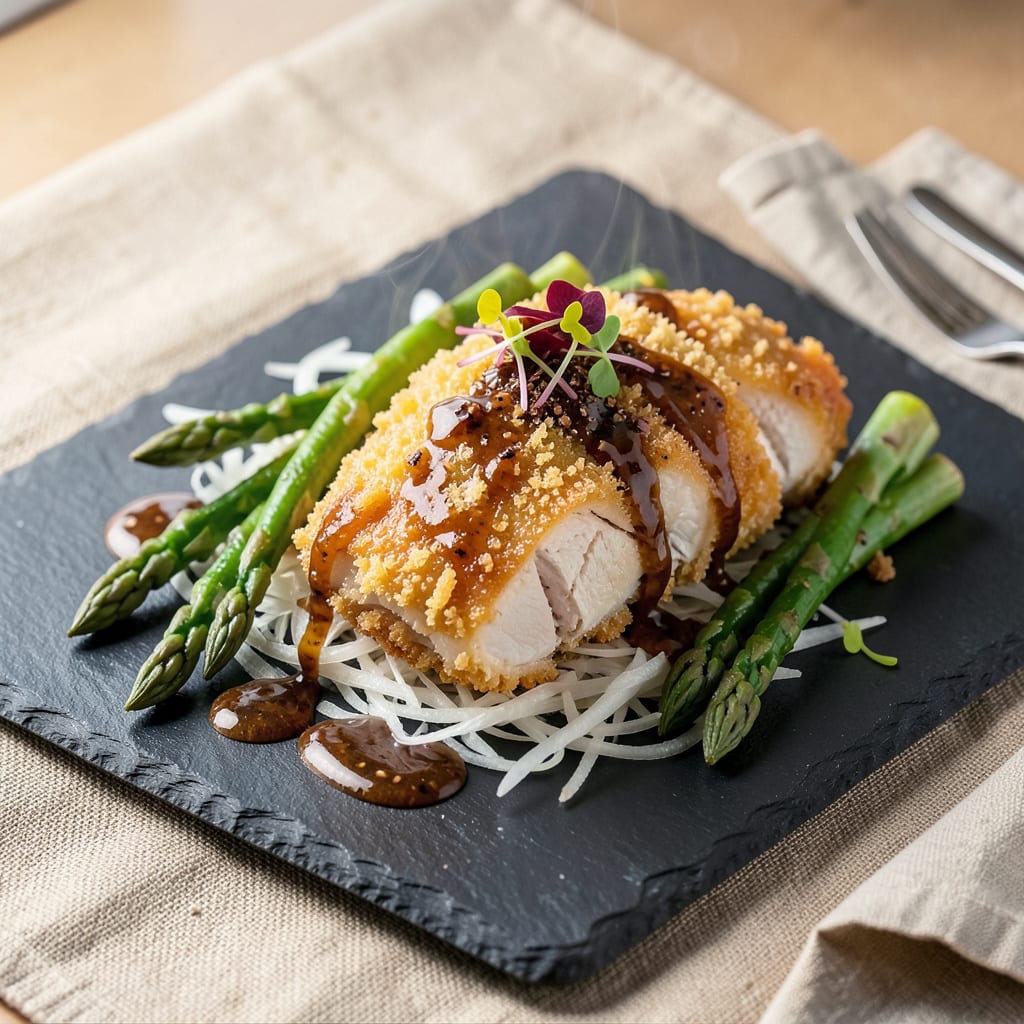
Use a food thermometer to check chicken’s thickest part (breast, thigh, or wing joint), avoiding bones. Whole chicken should reach 165°F, ground chicken 165°F, and all cuts must maintain this temperature for safety.
Getting this right is about more than just hitting a number—it’s your best defense against foodborne illness. 🔥 The thickest part is where bacteria like Salmonella hide longest, and bones can give false high readings. I always test multiple spots, especially with irregular cuts like thighs, where the temperature can vary near the joint. Even if your chicken looks done, those last few degrees make all the difference between juicy perfection and a risky meal.
What trips up most home cooks is assuming all pieces cook evenly. A whole chicken might show 165°F in the breast while the thighs lag behind—always check each part separately. And don’t forget: ground chicken requires extra caution since bacteria get mixed throughout during processing. ✨
💡 In This Article
- Why Internal Temperature Matters for Chicken Safety
- Best Thermometers and Techniques for Accurate Chicken Temps
Why Internal Temperature Matters for Chicken Safety
The 165°F benchmark isn’t arbitrary—it’s the temperature where harmful pathogens like Salmonella and Campylobacter are instantly destroyed. These bacteria thrive in chicken’s raw state, with Salmonella surviving up to 145°F and Campylobacter persisting even higher. At 165°F, their protein structures denature, rendering them inactive and safe for consumption.
This is why the USDA doesn’t compromise on this number, regardless of cooking method.
What most people miss is that color isn’t a reliable indicator. A pinkish hue in chicken can persist even at safe temperatures, especially in younger birds where the bones release hemoglobin. Conversely, fully cooked chicken can appear white while still harboring bacteria in undercooked pockets.
🔥 I’ve seen grilled breasts develop perfect char marks while remaining dangerously raw inside—this is why probing multiple spots with a thermometer is non-negotiable.
Different cuts carry different risks. Ground chicken requires extra vigilance because bacteria get distributed throughout during processing, unlike whole cuts where contamination stays on the surface. Thighs, with their higher fat content and connective tissue, can handle slightly longer cooking without drying out, but breasts become rubbery if overcooked.
The thickest part of each piece is always the last to reach temperature, which is why that’s your target zone.
Carryover cooking adds another layer of complexity. When you pull chicken from the heat, residual energy continues raising the internal temperature by 5-10°F. This means removing breasts at 155-160°F often results in perfect 165°F after resting. 💡 Thighs, however, need to hit 165°F on the grill because their density causes less temperature rise during resting.
Understanding these nuances prevents both undercooking and dry, overdone meat.
The resting period isn’t just about juiciness—it’s a critical safety step. During this time, heat redistributes evenly throughout the meat, ensuring no cold spots remain where bacteria could survive. I recommend resting whole chickens for 15-20 minutes and cuts for 5-10 minutes before carving.
This also lets muscle fibers relax, making the meat more tender while completing the pasteurization process.
Consider this: a 2019 USDA study found that 24% of home cooks undercook chicken when relying on visual cues alone. The same study showed that using a thermometer reduced foodborne illness risks by 92%. These aren’t just numbers—they represent real protection for you and your family.
✨ When in doubt, always err on the side of slightly overcooking rather than risking food poisoning, which can have symptoms appearing anywhere from 6 hours to 6 days after consumption.

- Jollof Rice Sauce Recipe: West African Tomato and Spice Infusion - September 25, 2026
- Japanese Rice Soup Recipe: Umami-Rich Comfort in a Bowl - September 25, 2026
- Homemade Cream Of Rice Recipe: Silk-Smooth Breakfast in Minutes - September 25, 2026