
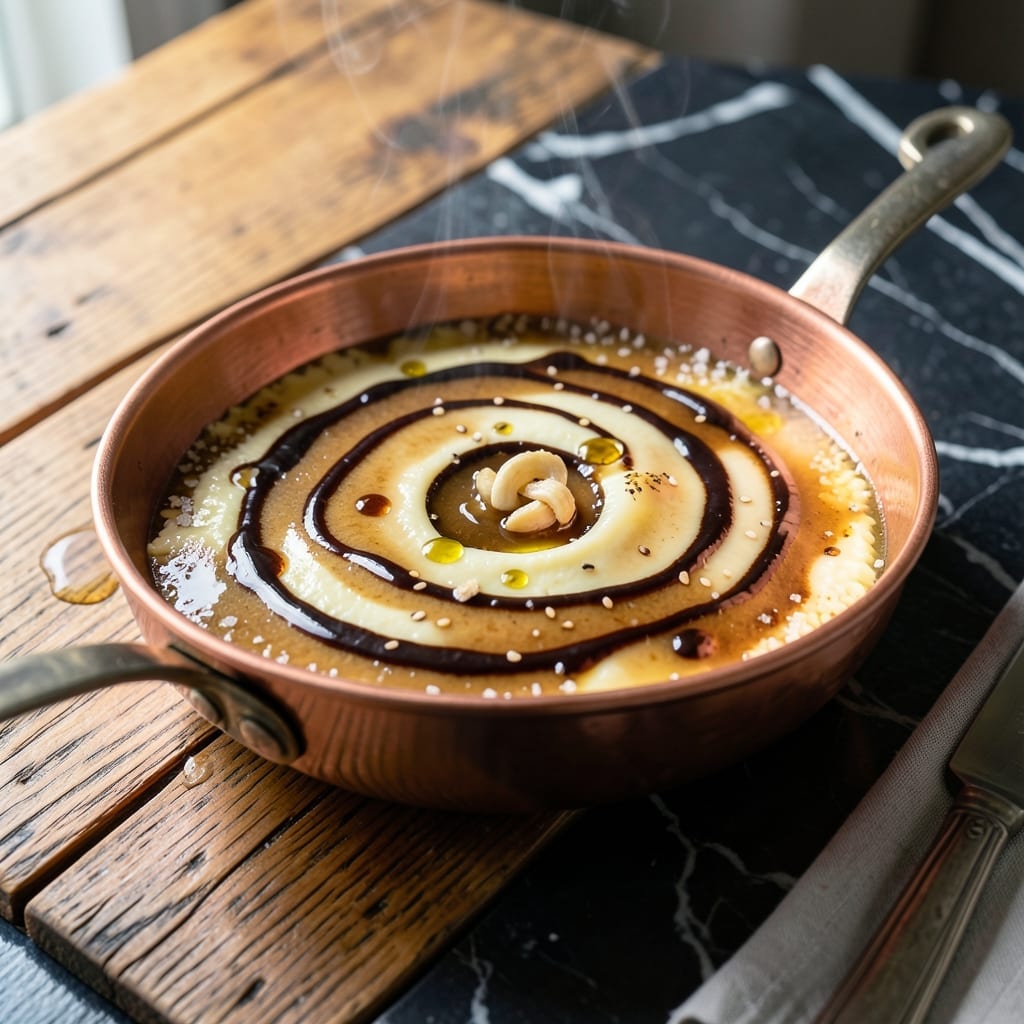
This sauce captures the signature hibachi-style flavor that elevates fried rice from good to extraordinary. The secret lies in balancing soy sauce, butter, and a touch of garlic for that restaurant-quality taste at home.
With just a few pantry staples and 5 minutes of mixing, you’ll have a versatile sauce that transforms plain rice into a savory, umami-packed masterpiece. Perfect for meal prep or last-minute cooking.
Ingredients for Benihana Fried Rice Sauce
Nine ingredients transform plain rice into that iconic hibachi flavor you crave.
| Ingredient | Amount | Notes |
|---|---|---|
| Soy Sauce 🥢 | ½ cup | Low-sodium preferred for balance |
| Unsalted Butter 🧈 | ¼ cup | Melted for smooth integration |
| Garlic Cloves 🧄 | 3 cloves | Minced for even distribution |
| Sesame Oil 🫒 | 1 tbsp | Toasted for depth of flavor |
| Rice Vinegar 🍚 | 1 tbsp | Adds subtle tangy brightness |
| Granulated Sugar 🍬 | 1 tsp | Balances saltiness in sauce |
| Ground White Pepper 🌶️ | ½ tsp | Authentic hibachi-style seasoning |
| Garlic Powder 🧄 | ½ tsp | Enhances garlic flavor profile |
| Onion Powder 🧅 | ½ tsp | Adds savory depth to mixture |
The soy sauce is the backbone here. Kikkoman low-sodium is my go-to—consistent flavor without overpowering saltiness. Unsalted butter lets you control the seasoning, and Plugrá or Land O’Lakes melt beautifully. Garlic should be fresh (that jarred stuff tastes tinny), and the sesame oil? Kadoya brand at Asian markets has the best toasted aroma. Look for dark, aromatic oil, not the light stuff.
No rice vinegar? Apple cider vinegar at half the amount works in a pinch. Butter can be swapped for vegetable oil, but you’ll miss that rich depth. Skip the white pepper? Black pepper in a pinch is fine, though it changes the vibe slightly. The sugar isn’t just sweetness—it caramelizes with the soy, so don’t skip it (honey or maple syrup can sub at one-third the amount).
Sauce keeps 1 week in the fridge in a sealed jar. The flavors meld and deepen over 24 hours, so make it ahead. Freeze in ice cube trays for 3 months—perfect for quick fried rice nights. Shake before using as the butter may separate.
Why You’ll Love This Recipe
- 5-Minute Mix: I just dump soy sauce, butter, garlic, sesame oil, and rice vinegar in a bowl—no cooking required.
- Umami Bomb: The butter and garlic hit different, and that sesame oil finish? Ridiculously good.
- Stir-Fry Superhero: I drizzle this over leftovers, fresh rice, or even scrambled eggs. It works everywhere.
- Penny-Pincher’s Dream: Five ingredients I already own, and it outshines any takeout sauce I’ve paid for.
Step-by-Step Instructions for Benihana Fried Rice Sauce
This sauce comes together faster than you can heat your wok—just melt, mix, and marvel.
Step 1: Melt and Bloom the Aromatics
In a small saucepan over low heat, melt the 0.25 cup Unsalted Butter completely. The butter should be fully liquid and just starting to foam at the edges—this takes about 2-3 minutes. I always use unsalted to control the seasoning precisely.
Add the 3 cloves Garlic Cloves (already minced) and cook for 30-45 seconds until they’re fragrant but not browned. You’ll smell that unmistakable garlic aroma when it’s ready. Browned garlic turns bitter, so watch it closely and pull it off the heat if it starts coloring too fast.
Step 2: Build the Umami Foundation
Pour in the 0.5 cup Soy Sauce and 1 tbsp Sesame Oil. The mixture will bubble slightly as the cold liquid hits the hot pan. Stir to combine, then let it simmer for 1-2 minutes until the edges start to look slightly glossy.
The sesame oil adds that authentic hibachi depth, while the soy sauce provides the salty backbone. If you’re using low-sodium soy sauce, you might want to taste and adjust later, but I find the balance perfect as-is for fried rice applications.
Step 3: Balance with Sweetness and Acid
Add the 1 tbsp Rice Vinegar and 1 tsp Granulated Sugar. Stir until the sugar fully dissolves—this usually takes 30-60 seconds over low heat. The vinegar might make the mixture look slightly cloudy at first, but it will clear up as it warms.
This step transforms the sauce from simply salty to complex and balanced. The sugar softens the salt’s edge while the vinegar adds that subtle tang that makes hibachi sauce so addictive. Don’t skip this—it’s what makes the flavor pop.
Step 4: Finish with the Spice Blend
Remove the saucepan from heat and stir in the 0.5 tsp Ground White Pepper, 0.5 tsp Garlic Powder, and 0.5 tsp Onion Powder. The residual heat will bloom these spices perfectly without risking scorching.
White pepper is non-negotiable here—it’s the authentic hibachi choice that gives that subtle warmth without the speckled appearance of black pepper. Let the sauce sit for 2 minutes off heat to let the flavors meld completely. The final sauce should be glossy, well-combined, and deeply aromatic.
Pro Tips For Making Benihana Fried Rice Sauce
- Mince Garlic Fine: I learned this the hard way—big garlic chunks burn in the butter and leave bitter bites. Grate or finely mince for even flavor distribution.
- Bloom in Butter: Cook the garlic in butter over medium-low until just fragrant, about 30 seconds. Any longer and it turns bitter—I ruined two batches before figuring this out.
- Balance the Vinegar: Rice vinegar can overpower if you’re heavy-handed. Start with 1 teaspoon, taste, then add more—this isn’t the prettiest step, but it saves the sauce.
- Finish with Sesame: Stir in sesame oil at the very end, off the heat. High heat makes it bitter, and I skip this when lazy, but the dish tastes flatter when I do.
Perfect Pairings for benihana fried rice sauce
Protein Pairings
This sauce shines with hibachi-style proteins like shrimp, chicken breast, or filet mignon. I love tossing 1 lb diced chicken in 2 tbsp of this sauce before cooking for maximum flavor penetration. The proteins soak up the umami beautifully. 🥢
Vegetable Matches
Zucchini, onions, and mushrooms are classic hibachi companions. Sauté 2 cups mixed veggies in 1 tbsp sauce before adding to rice. The sauce caramelizes slightly on the vegetables, adding depth to every bite.
Rice Variations
Use this with day-old jasmine or short-grain rice—about 4 cups cooked absorbs the sauce perfectly. For extra texture, sprinkle 1 tbsp toasted sesame seeds on top. The sauce coats each grain evenly, recreating that Benihana magic.
Beverage Pairings
A cold Sapporo beer or green tea cuts through the richness. The crispness of beer complements the savory notes, while green tea’s bitterness balances the umami. I always serve this sauce with one of these. 🍺
Garnish Ideas
Top your fried rice with sliced green onions and a drizzle of sriracha for heat. The freshness of the onions contrasts the rich sauce, while sriracha adds a spicy kick that elevates the dish.
Nutrition Facts
Frequently Asked Questions
Can I use salted butter instead?
Yes, but reduce added salt in the recipe. Salted butter may make the sauce too salty since soy sauce already contains sodium. Taste and adjust seasoning as needed.
How long does the sauce keep?
Store in an airtight container in the fridge for up to 1 week. For longer storage, freeze in ice cube trays for up to 3 months.
What if I don’t have rice vinegar?
Substitute with apple cider vinegar at half the amount. The flavor will be slightly different but still balanced. Avoid balsamic vinegar as it’s too strong.
Why is white pepper used instead of black?
White pepper gives that authentic hibachi flavor without visible specks. It has a milder, earthier taste that blends seamlessly into the sauce.

- Rice Pudding Recipe With Eggs and Milk: Old-Fashioned Custard-Style Comfort - September 30, 2026
- Rice Noodle Sauce Recipe: Bold Umami Depth for Authentic Stir-Fry - September 30, 2026
- Rice Pilaf Recipe: Fragrant Basmati With Toasted Vermicelli - September 30, 2026