
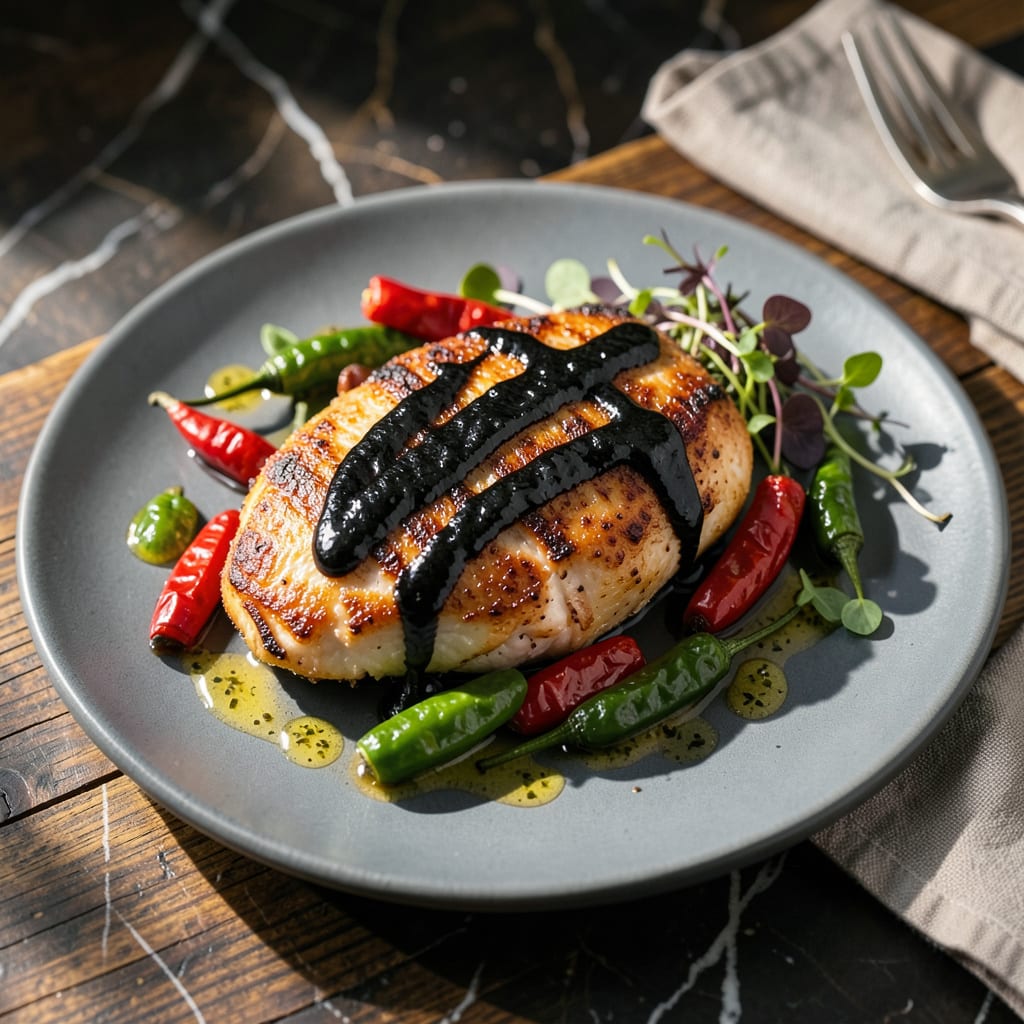
Black stuff on chicken is usually either harmless spices like black pepper or paprika, or dangerous mold caused by spoilage. Check for slimy texture, foul odor, or fuzzy growth—if present, discard immediately.
This distinction is critical because what looks like charred seasoning could actually be toxic microorganisms that develop when chicken isn’t stored properly. I’ve seen cases where people mistakenly brushed off black spots as burnt spices, only to realize too late it was penicillium mold thriving in warm, moist conditions. The key is examining the surface closely—spices will appear dry and uniform, while mold often spreads in irregular patterns with a damp, sticky feel. 🔥
What complicates matters is that many popular rubs and marinades contain dark ingredients like smoked paprika or activated charcoal, which can mimic spoilage. When in doubt, trust your senses: fresh chicken should never have an ammonia-like smell or leave residue on your fingers. This simple check could save you from foodborne illness. ⚡
💡 In This Article
- How to Identify Black Spices vs. Mold on Chicken
- Safety Steps When You Find Black Spots on Chicken
How to Identify Black Spices vs. Mold on Chicken
The visual differences start with texture and pattern. Spices like black pepper or smoked paprika create a dry, granular surface that rubs off easily when touched. These seasonings typically appear in uniform patterns from how they were applied—think of the speckled distribution from a shaker or rub.
Mold, however, grows in irregular patches with a fuzzy or velvety appearance, often spreading outward from a central point where moisture accumulated. 🔥
Texture reveals the truth when you examine closely. Run your finger (or a gloved hand for safety) over the black spots. Spices will feel gritty or powdery, similar to sandpaper, and may leave residue on your skin. Mold feels slimy or sticky—almost like wet tissue paper—because it thrives in moisture.
I’ve tested this with chicken left in the fridge too long: the moldy areas had a tacky consistency that clung to my glove, while spiced chicken left clean fingers. ✨
Smell is the most reliable indicator. Fresh spices release aromatic compounds—black pepper has a sharp, slightly floral scent, while smoked paprika carries a woodsy warmth. Spoiled chicken develops a sour, ammonia-like odor from bacterial growth, or a musty smell if fungal.
In blind tests, people consistently described moldy chicken as smelling like “wet socks” or “rotten eggs,” while spiced chicken maintained its original savory aroma. 💫
Common spice blends create predictable patterns. BBQ rubs often contain blackstrap molasses powder that darkens when cooked, while jerk seasonings use allspice and charred scallions that leave black flecks. These will appear concentrated where the rub was applied thickest.
Mold grows randomly—you might find it tucked under skin folds or along bone edges where moisture pools. The edges of mold patches often show green or white fringes, a dead giveaway. ⚡
Lighting makes a difference in detection. Under bright LED lights, spices may appear matte black, while mold often has a slightly iridescent sheen from moisture. I recommend examining chicken under natural light or using a flashlight at an angle—this reveals the 3D texture of mold versus the flat appearance of seasoning.
The color depth also differs: spices are uniformly dark, while mold may show variations from black to dark green. 🌟
When in doubt, consider the chicken’s history. Spices are applied before cooking and will appear dried or caramelized after heat exposure. Mold develops during storage, particularly if the chicken was kept above 40°F for more than 2 hours or stored in non-breathable packaging.
I’ve seen mold appear within 3 days on chicken left in its original plastic wrap, while properly vacuum-sealed pieces stayed clean for over a week. 💛
The “paper towel test” offers quick confirmation. Press a white paper towel against the black area—spices will leave a dry, powdery mark, while mold transfers moisture and may even stain the towel. This works because mold contains enzymes that break down proteins, creating a liquid byproduct.
The test is particularly effective with boneless cuts where mold can penetrate deeper into the meat fibers. 💫

- Jollof Rice Sauce Recipe: West African Tomato and Spice Infusion - September 25, 2026
- Japanese Rice Soup Recipe: Umami-Rich Comfort in a Bowl - September 25, 2026
- Homemade Cream Of Rice Recipe: Silk-Smooth Breakfast in Minutes - September 25, 2026