
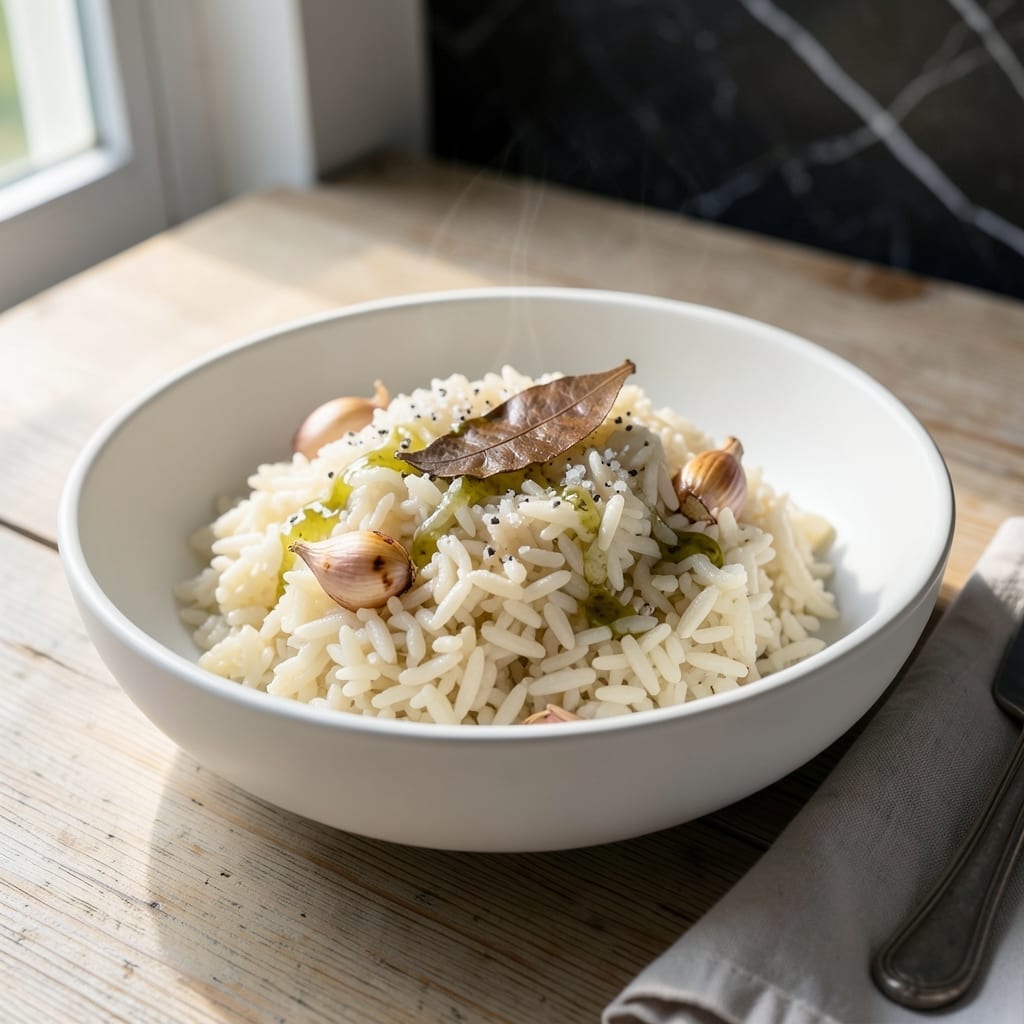
Mastering the art of perfectly boiled rice begins with understanding the right water-to-rice ratio and timing. This method delivers fluffy, separate grains every time without fail.
Whether you’re cooking white, brown, or basmati, the technique remains consistent. The key is using the correct amount of water and resisting the urge to stir during cooking.
After boiling, a 10-minute rest allows steam to finish the cooking process, ensuring even texture throughout. This simple step makes all the difference.
The result is rice that’s light, airy, and ready to complement any meal. No special equipment required—just a pot, water, and patience.
Ingredients for Boil Rice
A few pantry staples transform into perfectly fluffy grains with this simple method.
| Ingredient | Amount | Notes |
|---|---|---|
| Long-Grain White Rice 🍚 | 2 cups | Rinsed until water runs clear |
| Water 💧 | 4 cups | Filtered for best texture |
| Kosher Salt 🧂 | ½ tsp | Diamond Crystal preferred |
| Extra-Virgin Olive Oil 🫒 | 1 tbsp | Optional for aroma |
| Bay Leaf 🍃 | 1 whole | Optional for subtle fragrance |
| Garlic Cloves 🧄 | 2 cloves | Smashed but left whole |
| Fresh Thyme Sprigs 🌿 | 2 sprigs | Optional for herbaceous note |
| Lemon Zest 🍋 | 1 tsp | Optional for brightness |
The rice quality matters most here. Jasmine or basmati deliver the best texture for boiling, but any long-grain white works. Look for uniform, unbroken grains—avoid dusty or off-colored rice. Whole Foods and Trader Joe’s carry excellent bulk options. Rinsing removes excess starch, which is crucial for preventing clumping (don’t skip this step).
No long-grain white? Basmati at a 1:1.5 rice-to-water ratio works well, or use short-grain for creamier results (add 2 extra tbsp water). For brown rice, increase water to 2.5 cups per 1 cup rice and extend cooking time. The bay leaf and garlic are optional but add depth—omit if you prefer plain rice.
Uncooked rice stores indefinitely in a cool, dry place. Cooked rice keeps 4-5 days refrigerated or 6 months frozen. Reheat with a splash of water to restore moisture (microwave works fine).
Why You’ll Love This Recipe
- Set It and Forget: I toss the rice, water, and bay leaf into a pot, then walk away—no stirring, no fuss.
- Subtle but Rich: The olive oil and bay leaf give the grains this warm, aromatic depth that plain rice just can’t match.
- Meal Prep MVP: I make a big batch on Sunday and it pairs with everything from grilled chicken to stir-fry all week long.
- Pennies per Serving: A 2-pound bag of long-grain rice costs less than a coffee and feeds us for days. Honestly, it’s my wallet’s best friend.
Step-by-Step Instructions for Boiled Rice
Master this technique and you’ll produce perfectly fluffy, separate grains with aromatic depth every time.
Step 1: Rinse and Prepare the Long-Grain White Rice
Place the 2 cups Long-Grain White Rice in a fine-mesh strainer and rinse under cold running water. Agitate the grains with your fingers, swirling gently, until the water runs completely clear. This step removes excess starch that would otherwise make the finished rice gummy rather than fluffy.
Drain the rice thoroughly, shaking the strainer gently to remove all residual water. You want the grains to be dry to the touch before cooking. While the rice drains, gather your aromatics: 1 whole Bay Leaf, 2 cloves Garlic Cloves (lightly smashed), 2 sprigs Fresh Thyme Sprigs, and 1 tsp Lemon Zest.
Step 2: Toast the Rice with Olive Oil for Depth
In a medium saucepan with a tight-fitting lid, heat 1 tbsp Extra-Virgin Olive Oil over medium heat until it shimmers. Add the drained rice and stir to coat each grain evenly with the oil. Toast the rice for 1-2 minutes, stirring constantly, until the edges of the grains become translucent and you detect a faint nutty aroma.
This toasting step enhances the natural flavor of the rice and prevents it from becoming mushy. Add the 0.5 tsp Kosher Salt to the pan and stir to distribute it evenly. Then, add the bay leaf, garlic cloves, thyme sprigs, and lemon zest to the saucepan, stirring once to combine with the rice.
Step 3: Add Water and Bring to a Simmer
Pour in the 4 cups Water and stir briefly to distribute the rice and aromatics evenly. Increase the heat to high and bring the mixture to a full, rolling boil. Watch for large bubbles breaking the surface consistently across the entire pan.
Once boiling, reduce the heat to low, cover the saucepan with its lid, and allow the rice to simmer gently. You should see just a few small bubbles occasionally rising to the surface. If the water is boiling too vigorously, the rice may cook unevenly or burn at the bottom.
Step 4: Cook and Steam Undisturbed
Let the rice cook, covered, for 15 minutes. Resist the urge to lift the lid or stir during this time—steam is crucial for even cooking, and lifting the lid releases it. You’ll know the process is working when you see steam escaping from under the lid and hear a gentle hissing sound.
After 15 minutes, turn off the heat but keep the lid on. Let the rice steam in the residual heat for an additional 10 minutes. This resting period allows the grains to absorb any remaining moisture and ensures they finish cooking evenly without drying out.
Step 5: Fluff and Serve the Finished Rice
Remove the lid and discard the bay leaf, garlic cloves, thyme sprigs, and any remaining lemon zest. These aromatics have infused their flavors into the rice and are no longer needed. Gently fluff the rice with a fork, lifting from the bottom to separate the grains without crushing them.
The finished rice should be tender but not mushy, with each grain distinct and glossy. The aroma will be fragrant with subtle herbal and citrus notes. Serve immediately while hot, as the rice will continue to firm up slightly as it cools. This method yields perfectly cooked rice that pairs beautifully with any main dish.
Pro Tips For Making Boil Rice
- Rinse the Rice: Always give your long-grain white rice a quick rinse under cold water before boiling—it washes off excess starch and keeps the grains from clumping together. I learned this the hard way after serving one too many sticky rice dishes.
- Use the Right Ratio: For perfectly fluffy rice, stick to a 1:2 ratio of rice to water—1 cup rice to 2 cups water. Sounds simple, but I was skeptical until I tried it and stopped ending up with undercooked or mushy grains.
- Skip the Peeking: Once the water starts boiling, cover the pot and resist the urge to lift the lid. Every time you peek, you release steam and mess with the cooking process—I burned my first few batches doing exactly this.
- Add Oil Last: Stir in the extra-virgin olive oil after the rice is cooked, not before. This keeps the grains from turning greasy and gives the dish a cleaner, brighter finish. My grandmother swore by this, and she was right.
Common Mistakes When Making This Recipe
Skipping the Rinse
Never skip rinsing—those 2 cups Long-Grain White Rice need starch removed for fluffy results. I use a fine-mesh strainer and cold water until it runs clear. Skipping this leaves rice gummy instead of light and separate.
Wrong Water Ratio
Stick to 4 cups Water for 2 cups rice for perfect texture. Too much water makes it mushy; too little leaves it crunchy. I measure carefully—eyeballing often leads to disappointment.
Peeking or Stirring
Resist lifting the lid or stirring during the 15-minute simmer. Each peek releases steam, lowering the temperature and ruining the cooking process. Trust the method and let it work undisturbed.
Skipping the Rest
That 10-minute off-heat rest is non-negotiable. It lets steam finish cooking the grains evenly. I set a timer—rushing this step results in uneven texture.
Using the Wrong Pot
Use a heavy-bottomed saucepan with a tight lid to prevent burning and retain steam. Thin pots cause hot spots. I swear by my All-Clad stainless steel for consistent results.
Ignoring Aromatics
Those bay leaf, garlic, and thyme add subtle depth. Skip them only if you prefer plain rice. I always include them—they elevate the dish beautifully. 💡
Nutrition Facts
Frequently Asked Questions
Do I need to rinse the rice first?
Yes, always rinse until the water runs clear. This removes excess starch that would make your grains sticky instead of fluffy.
What’s the ideal water-to-rice ratio?
Use a 1:2 ratio—2 cups rice to 4 cups water. This ensures tender grains without mushiness.
Can I use a rice cooker instead?
Use the same 1:2 ratio and follow your cooker’s instructions. The hands-off method works just as well.
Why did my rice turn out mushy?
Likely too much water or stirring during cooking. Stick to 4 cups water and leave it undisturbed.

- Jollof Rice Sauce Recipe: West African Tomato and Spice Infusion - September 25, 2026
- Japanese Rice Soup Recipe: Umami-Rich Comfort in a Bowl - September 25, 2026
- Homemade Cream Of Rice Recipe: Silk-Smooth Breakfast in Minutes - September 25, 2026