
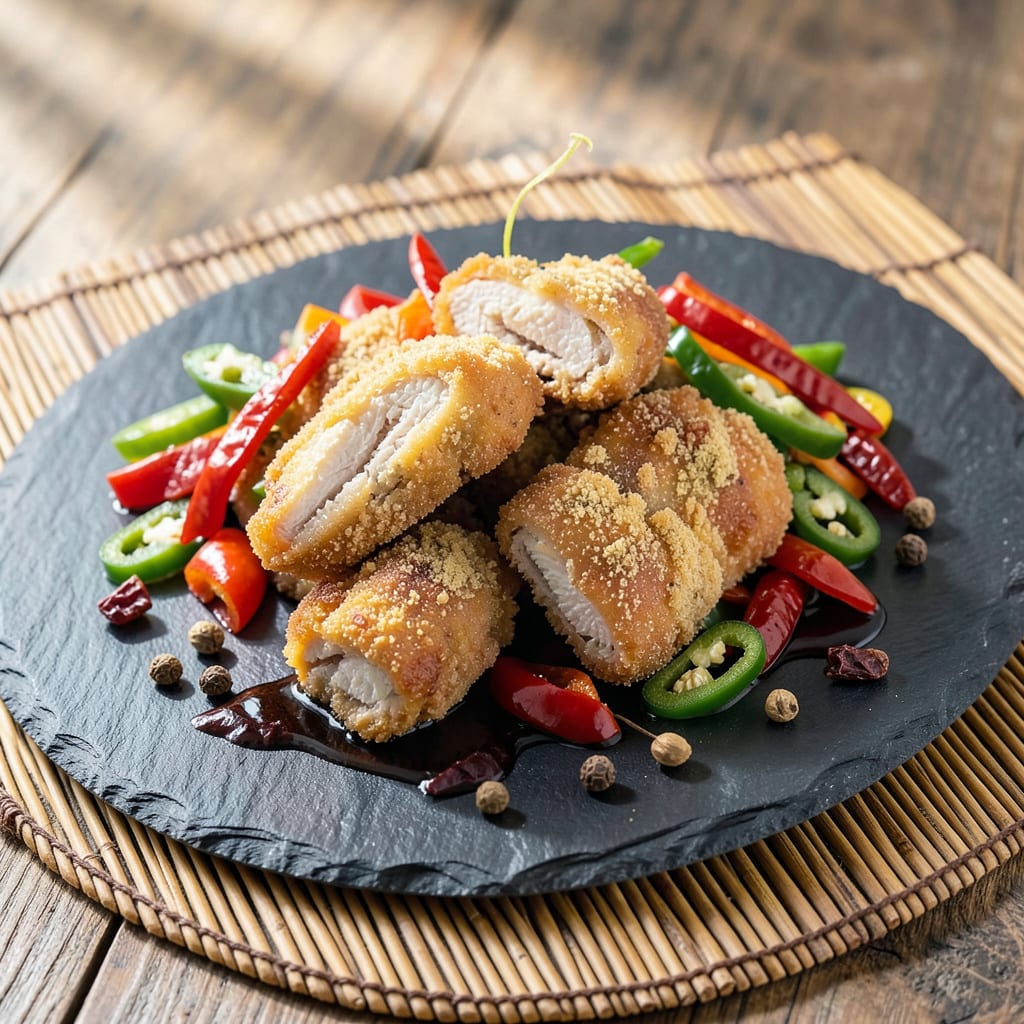
Chinese chicken powder is a savory seasoning blend made from dehydrated chicken, salt, sugar, and spices like ginger and star anise. It adds umami depth to stir-fries, marinades, and broths in authentic Chinese cooking.
This versatile powder acts as a flavor amplifier in Chinese cuisine, much like how bouillon cubes function in Western cooking. 🔥 The dehydrated chicken base provides a concentrated meaty essence, while the aromatic spices create a complex balance that’s both earthy and slightly sweet. What sets it apart is its ability to dissolve seamlessly into liquids, making it ideal for quick sauces or slow-simmered soups. I’ve found it particularly effective when bloomed in hot oil at the start of stir-frying, which unlocks its full aromatic potential.
💡 In This Article
- Core Ingredients and Flavor Science Behind Chinese Chicken Powder
- Authentic Ways to Cook with Chinese Chicken Powder
Core Ingredients and Flavor Science Behind Chinese Chicken Powder
The magic starts with dehydrated chicken meat—typically breast or thigh—that’s been slow-cooked and ground into a fine powder. This process concentrates glutamates (naturally occurring amino acids) that create that signature umami punch. 🔥 Commercial versions often add hydrolyzed vegetable protein as an MSG alternative, boosting the savory intensity without artificial additives.
The protein content usually sits around 40-50%, which is why just 1 teaspoon can transform a dish.
What balances the umami is the spice blend—star anise and ginger dominate in most regional variations. Northern Chinese versions tend to include more Sichuan peppercorns (0.5-1% by volume) for a subtle numbing heat, while Southern blends favor sandalwood powder for floral depth.
The sugar content (typically 8-12%) isn’t just for sweetness—it caramelizes during cooking, creating maillard reactions that deepen the overall flavor profile. I’ve noticed commercial brands often add 0.3-0.5% citric acid to brighten the finish.
Traditional production involves a 24-48 hour low-temperature dehydration process (under 140°F) to preserve the chicken’s natural gelatin. This gelatin content (about 3-5%) is what gives dishes that silky mouthfeel when the powder reconstitutes in liquids. ✨ Modern commercial production uses spray drying at higher temps (180-200°F), which sacrifices some gelatin quality but improves shelf stability.
The particle size matters too—authentic versions are ground to 200-300 mesh (finer than table salt) for quick dissolution.
Regional differences show in the fat content. Cantonese-style powders retain more chicken fat (up to 15%) for richness, while Shanghainese versions keep it under 8% for cleaner flavors in delicate dishes like soup dumplings.
The salt content varies dramatically—Northern blends can hit 30% sodium by weight for preserved dishes, while Southern versions stay around 18-22% for fresh cooking applications. This is why recipes often call for adjusting additional salt when using chicken powder.
What most home cooks miss is the toasting step in traditional production. The dehydrated chicken gets lightly toasted at 250°F for 10-15 minutes before grinding, which develops deeper aromatic compounds. 🌟 This is why homemade versions often taste flatter than commercial products—they skip this crucial maillard reaction step.
The spices are typically toasted separately and blended in at the end to preserve their volatile oils.
The sugar isn’t just white granulated—authentic blends use rock sugar or malto-dextrin for a cleaner sweetness that doesn’t caramelize too quickly. Some premium versions even include dried shrimp powder (about 2-3%) for an extra layer of oceanic umami.
The balance is precise: too much sugar and you lose the savory base; too little and the spices taste harsh. That 8-12% range is the sweet spot (literally) that makes the powder so versatile.
Storage matters more than you’d think. The powder’s high surface area makes it prone to oxidation—commercial producers often add 0.1% rosemary extract as a natural preservative. At home, keeping it in an airtight container with a silica packet can extend its potency by 3-6 months.
The volatile aromatic compounds degrade fastest, so if your powder smells flat, it’s lost most of its magic. Pro tip: Buy in small quantities and store in the freezer for maximum freshness. ⚡

- Jollof Rice Sauce Recipe: West African Tomato and Spice Infusion - September 25, 2026
- Japanese Rice Soup Recipe: Umami-Rich Comfort in a Bowl - September 25, 2026
- Homemade Cream Of Rice Recipe: Silk-Smooth Breakfast in Minutes - September 25, 2026