
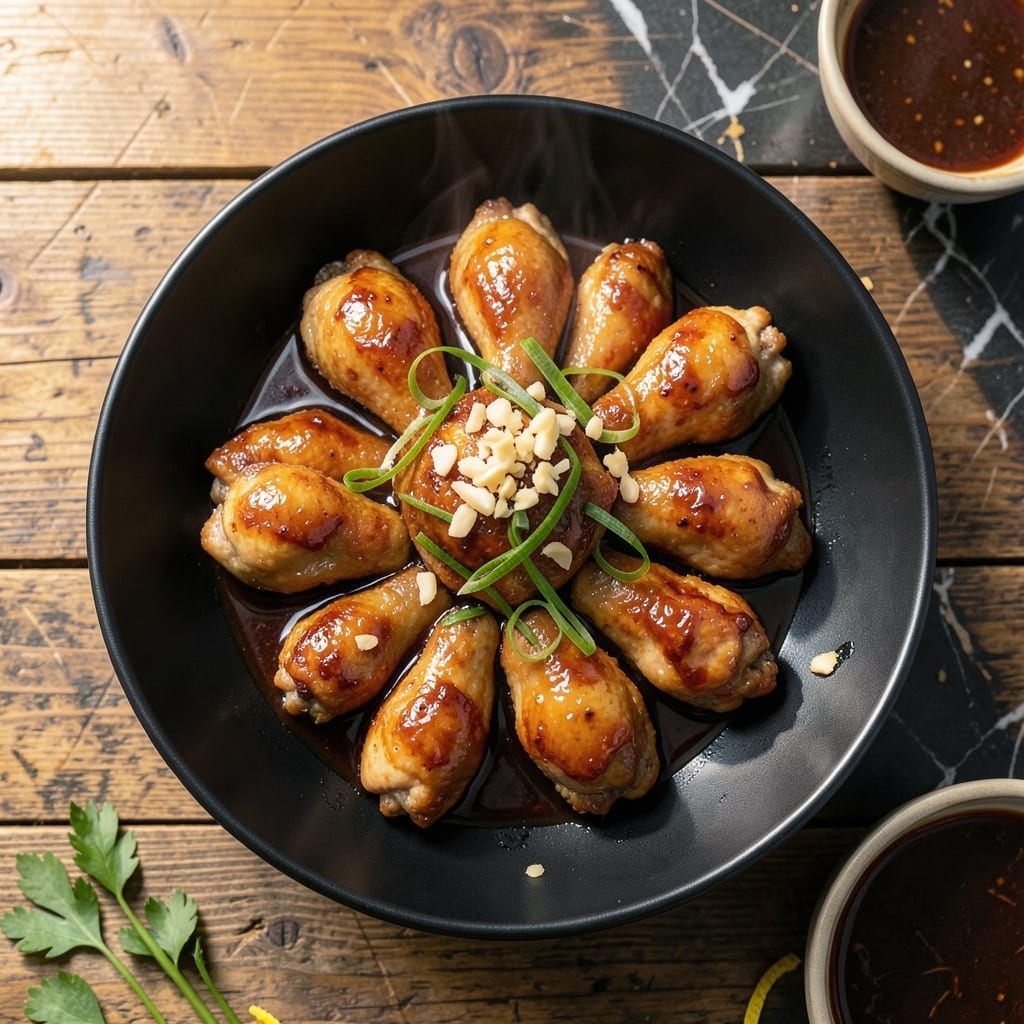
This stir fry delivers umami-rich flavor with minimal effort, using soya sauce as the foundation for a deeply satisfying dish. The sauce comes together in minutes, transforming simple chicken into something extraordinary.
I developed this method to maximize flavor without complicating the process. High heat sears the chicken quickly while the soya-based sauce caramelizes slightly, creating a glossy finish that clings to every piece.
What results is tender chicken with a savory glaze, ready to serve over rice or noodles. The sauce balances salty, sweet, and aromatic notes perfectly.
Perfect for busy weeknights when you want restaurant-quality taste without the wait. Here’s how to make it.
Ingredients for Chicken Recipe with Soya Sauce
Pantry staples plus fresh aromatics. Nothing complicated, just bold umami flavor ready in minutes.
| Ingredient | Amount | Notes |
|---|---|---|
| Boneless Skinless Chicken Thighs 🍗 | 1 ½ lb | Cut into 1-inch pieces |
| Soya Sauce 🫙 | ½ cup | Low-sodium preferred for balance |
| Dark Brown Sugar 🍚 | 2 tbsp | Packed for sweetness depth |
| Fresh Garlic Cloves 🧄 | 4 cloves | Minced finely for even distribution |
| Fresh Ginger Root 🌿 | 1 tbsp | Peeled and grated |
| Rice Vinegar 🍯 | 2 tbsp | Adds essential acidity |
| Sesame Oil 🫒 | 1 tbsp | Toasted for nutty aroma |
| Vegetable Oil 🛢️ | 2 tbsp | High smoke point for stir-frying |
| Red Bell Pepper 🌶️ | 1 whole | Sliced into thin strips |
| Green Onions 🧅 | 4 whole | White and green parts separated |
| Cornstarch 🌾 | 1 tbsp | For velvety sauce texture |
| Dried Red Pepper Flakes 🔥 | ½ tsp | Adjust for heat preference |
| Sesame Seeds 🌰 | 1 tsp | Toasted for garnish |
The chicken thighs are non-negotiable here—bone-in stays juicier but boneless cooks faster. I grab mine from Costco (great price, consistent quality) or the butcher counter at Whole Foods. Look for skinless to avoid excess oil. For the soya sauce, Kikkoman low-sodium is my go-to, but any brand works. The ginger and garlic? Fresh only—those pre-minced jars taste like sadness (and not the good kind).
Out of dark brown sugar? Light brown plus a pinch of molasses works. No rice vinegar? Apple cider vinegar at half the amount (it’s stronger). Skip the sesame oil? Extra vegetable oil plus a drop of toasted sesame at the end. The red bell pepper can be any color—green is fine, yellow works too. For heat, sriracha or gochujang can stand in for the red pepper flakes.
The cooked chicken keeps 4 days in the fridge, freezes for 3 months. Reheat gently in a skillet to keep it from drying out. The sauce thickens as it cools—add a splash of water when reheating. Always garnish fresh (those sesame seeds and green onions lose their punch fast).
Why You’ll Love This Recipe
- One Pan Wonder: I toss everything in with the chicken thighs and let the soya sauce and brown sugar do the work—minimal cleanup, maximum flavor.
- Sweet & Savory: The dark brown sugar caramelizes with the soya sauce, while the fresh garlic and ginger add that deep, aromatic kick.
- Meal Prep Hero: I make a big batch on Sunday and it tastes just as good reheated for lunch all week.
- Budget Friendly: Boneless thighs are affordable, and a little soya sauce goes a long way. Honestly, it’s my cheapest crowd-pleaser.
Step-by-Step Instructions for Chicken Stir Fry with Soya Sauce
Here’s the method I rely on for a perfectly balanced stir fry with bold umami flavor.
Step 1: Marinate the Chicken
Cut the 1.5 lb boneless skinless chicken thighs into 1-inch pieces as specified. In a bowl, combine the chicken with 0.5 cup soya sauce, 2 tbsp dark brown sugar, 2 tbsp rice vinegar, 1 tbsp sesame oil, and 0.5 tsp dried red pepper flakes.
Mix thoroughly to ensure every piece is coated. Let it marinate for 15-20 minutes. This step infuses the chicken with deep, savory flavor while the acid in the vinegar begins to tenderize the meat. The sugar will caramelize later, adding a glossy sheen to your stir fry.
Step 2: Prep the Aromatics and Vegetables
While the chicken marinates, mince the 4 cloves fresh garlic cloves and grate the 1 tbsp fresh ginger root. Slice the 1 whole red bell pepper into thin strips, and separate the white and green parts of the 4 whole green onions, slicing them thinly.
I keep the green onion whites separate from the greens—the whites add a sharper bite when cooked, while the greens stay fresh as a garnish. Have everything ready before you start cooking; stir frying happens fast and you won’t have time to chop once the heat is on.
Step 3: Stir Fry the Chicken and Vegetables
Heat 2 tbsp vegetable oil in a large skillet or wok over high heat until it shimmers. Add the marinated chicken in a single layer and cook undisturbed for 2-3 minutes until the edges start to brown.
Stir the chicken, then add the minced garlic, grated ginger, and sliced red bell pepper. Cook for another 3-4 minutes until the chicken is cooked through and the bell pepper softens slightly but retains some crispness. The aroma at this stage should be intoxicating—garlicky, gingery, and rich with soya sauce.
Step 4: Thicken the Sauce and Finish
In a small bowl, mix the 1 tbsp cornstarch with 2 tbsp of water to create a slurry. Pour this into the skillet and stir immediately. The sauce should thicken within 30-60 seconds, coating the chicken and vegetables in a glossy, velvety layer.
Add the white parts of the green onions and toss everything together for 1 minute. Remove from heat and stir in the green onion tops. This preserves their fresh, oniony bite. The sauce should cling beautifully to each piece, with a perfect balance of sweet, salty, and umami.
Step 5: Garnish and Serve
Sprinkle the 1 tsp sesame seeds over the stir fry and give it a final toss. The seeds add a nutty crunch and visual appeal. Serve immediately while hot—the sauce will be at its thickest and most flavorful.
Each bite should deliver tender chicken, crisp-tender vegetables, and that irresistible soya sauce glaze. The dish comes together quickly but tastes like you spent hours in the kitchen.
Pro Tips For Making Chicken Recipe With Soya Sauce
- Sear the Thighs First: Start with high heat to brown the chicken thighs before adding the sauce—this builds a rich, caramelized base that soaks up the soya sauce flavor. I learned this the hard way after too many pale, soggy batches.
- Grate the Ginger Fine: Use a microplane for the ginger root to release its oils and avoid fibrous bits in the sauce. After burning my tongue on chewy ginger strands one too many times, I finally switched.
- Avoid Over-Saucing: Resist the urge to drown the chicken in soya sauce early—start with 2-3 tablespoons, let it reduce, then adjust. Sounds weird, but it prevents a watery, salty mess.
- Rest Before Serving: Let the chicken sit for 5 minutes after cooking so the juices redistribute—cutting too soon sends all that soya-garlic goodness straight to the cutting board. My grandmother swore by this, and she was right.
Make-Ahead Tips for This Dish
Marinate Ahead
Combine 1.5 lb chicken, 0.5 cup soya sauce, 2 tbsp brown sugar, and aromatics in a zip-top bag. Marinate in the fridge for up to 24 hours—the flavors deepen beautifully overnight. 💡
Prep Vegetables
Slice the red bell pepper and separate green onions the night before. Store them in airtight containers with paper towels to maintain crispness. This saves 10 minutes on cooking day.
Sauce Slurry
Mix 1 tbsp cornstarch with water in a small jar and refrigerate. Shake well before using—the next day it’ll still thicken perfectly. I keep extra slurry for adjusting consistency.
Cooking Day
Remove marinated chicken from fridge 30 minutes before cooking for even cooking. The cold meat seizes up in hot oil, so this step ensures tender results.
Reheating
Store cooked stir fry in shallow containers for quick reheating. Warm in a skillet over medium heat with a splash of water to revive the sauce’s glossy texture. ❄️
Garnish Last
Toast sesame seeds and slice green onion tops just before serving. Fresh garnishes lose their punch quickly, so always add them at the end.
Nutrition Facts
Frequently Asked Questions
Can I use chicken breast instead of thighs?
Yes, but thighs stay juicier. If using breasts, reduce cooking time to 2-3 minutes per side to prevent dryness. The leaner meat cooks faster and can overcook easily.
How do I make the sauce less salty?
Use low-sodium soya sauce and balance with an extra 1 tbsp brown sugar or a splash of rice vinegar. Taste before adding all the sauce to adjust.
What if my sauce doesn’t thicken?
Mix another 1 tsp cornstarch with 1 tbsp cold water and stir into the simmering sauce. Cook for 1-2 minutes until it reaches desired consistency.

- Jollof Rice Sauce Recipe: West African Tomato and Spice Infusion - September 25, 2026
- Japanese Rice Soup Recipe: Umami-Rich Comfort in a Bowl - September 25, 2026
- Homemade Cream Of Rice Recipe: Silk-Smooth Breakfast in Minutes - September 25, 2026