
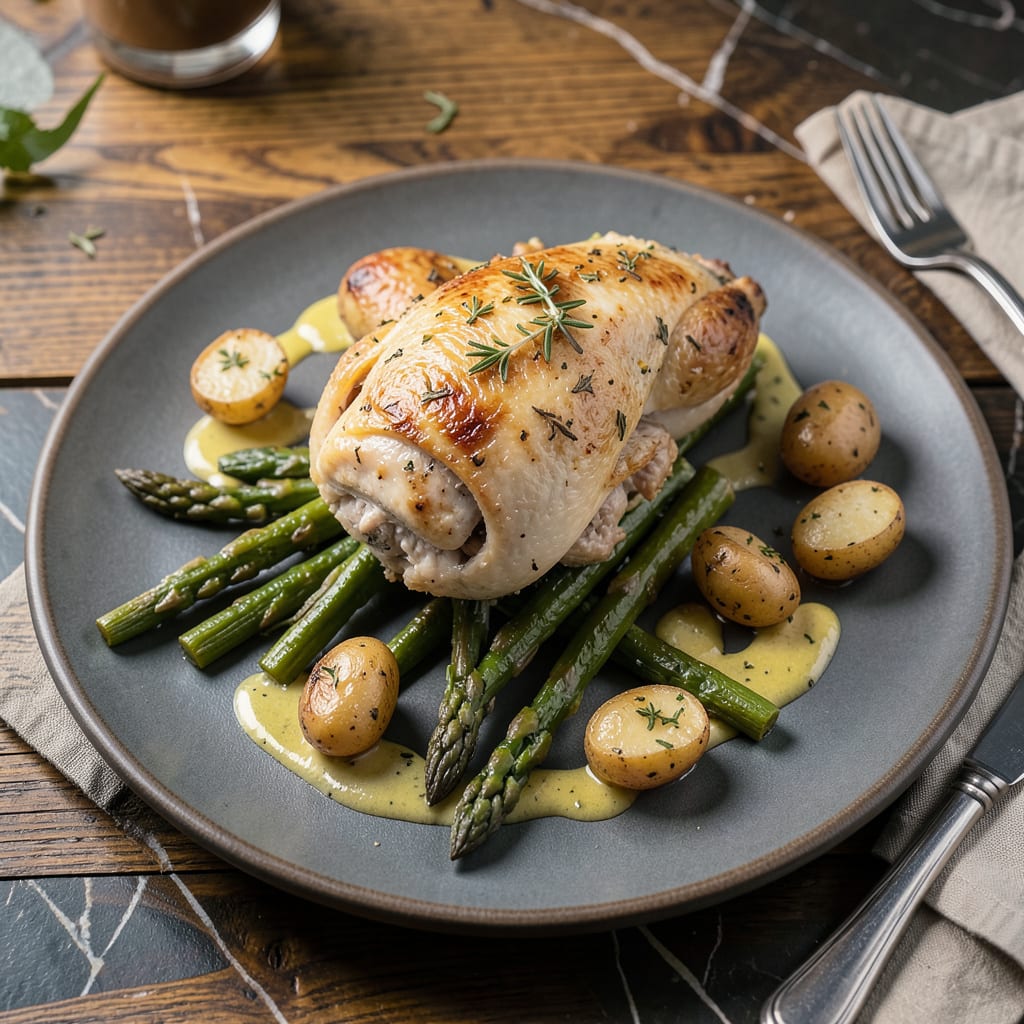
Rubbery chicken usually results from overcooking, which causes muscle fibers to tighten and squeeze out moisture. Undercooking can also create a tough, chewy texture. Proper temperature control and resting time are key to juicy, tender results.
I’ve found that most rubbery chicken disasters happen when we lose track of time or temperature. The proteins in chicken begin to contract at 160°F, pushing out all the juices that keep it tender. What’s tricky is that different cuts react differently—breasts dry out faster than thighs, which have more fat to keep them moist. 🔥
Another common mistake is skipping the resting period after cooking. When you slice chicken right off the heat, those tight muscle fibers don’t have time to relax and reabsorb juices. I always recommend letting it rest for at least 5-10 minutes before serving—this simple step makes a surprising difference in texture.
💡 In This Article
- The Science Behind Rubbery Chicken Texture
- 6 Pro Techniques to Prevent Rubbery Chicken Every Time
The Science Behind Rubbery Chicken Texture
When chicken hits temperatures above 160°F, the proteins in muscle fibers begin to coagulate and contract violently. This process, called denaturation, causes the fibers to squeeze out moisture like a wrung-out sponge.
The collagen that normally keeps meat tender also fails to break down properly at high heat, leaving you with a texture that’s both dry and unpleasantly springy. What’s fascinating is that this reaction happens faster in lean cuts like breasts compared to darker meat with more connective tissue.
Different chicken cuts react dramatically differently to heat. Breast meat, with only about 1% fat content, becomes rubbery at just 165°F if cooked too quickly. Dark meat like thighs contains more fat (10-12%) and collagen, which gives it a wider temperature window before turning tough.
The science shows that collagen starts breaking down into gelatin at 160°F, but this process needs time—something quick high-heat cooking doesn’t provide. 🔥
Moisture loss is the silent killer of tender chicken. Studies show that overcooked chicken can lose up to 30% of its weight in water content. The muscle fibers become so tightly bound that they can’t reabsorb juices, even during resting.
Undercooked chicken presents a different problem—the proteins haven’t fully denatured, leaving the meat with a tough, elastic texture that’s hard to chew through.
The resting period after cooking is where the magic happens. As chicken cools, the muscle fibers gradually relax and can reabsorb about 10-15% of lost juices. This is why professional chefs insist on resting times—it’s not just about carryover cooking, but giving those tight protein structures a chance to loosen up.
Without this crucial step, even perfectly cooked chicken can taste unpleasantly rubbery.
Temperature distribution plays a huge role too. The outer layers of chicken cook faster than the center, creating a gradient of doneness. When you overcook to ensure the center is safe, the outer layers become severely overdone. This is why precise temperature control with a meat thermometer is non-negotiable for perfect texture.
The USDA’s 165°F recommendation is actually the maximum safe temperature, not the ideal target for tenderness.
What most home cooks don’t realize is that chicken continues cooking after removal from heat. The residual heat can raise internal temperatures by 5-10°F during resting. This means pulling chicken at 155-160°F and letting it coast to safety often yields better texture than cooking to the full 165°F on the heat source.
The difference between perfectly juicy and disappointingly rubbery can be just a few degrees. ✨

- Jollof Rice Sauce Recipe: West African Tomato and Spice Infusion - September 25, 2026
- Japanese Rice Soup Recipe: Umami-Rich Comfort in a Bowl - September 25, 2026
- Homemade Cream Of Rice Recipe: Silk-Smooth Breakfast in Minutes - September 25, 2026