
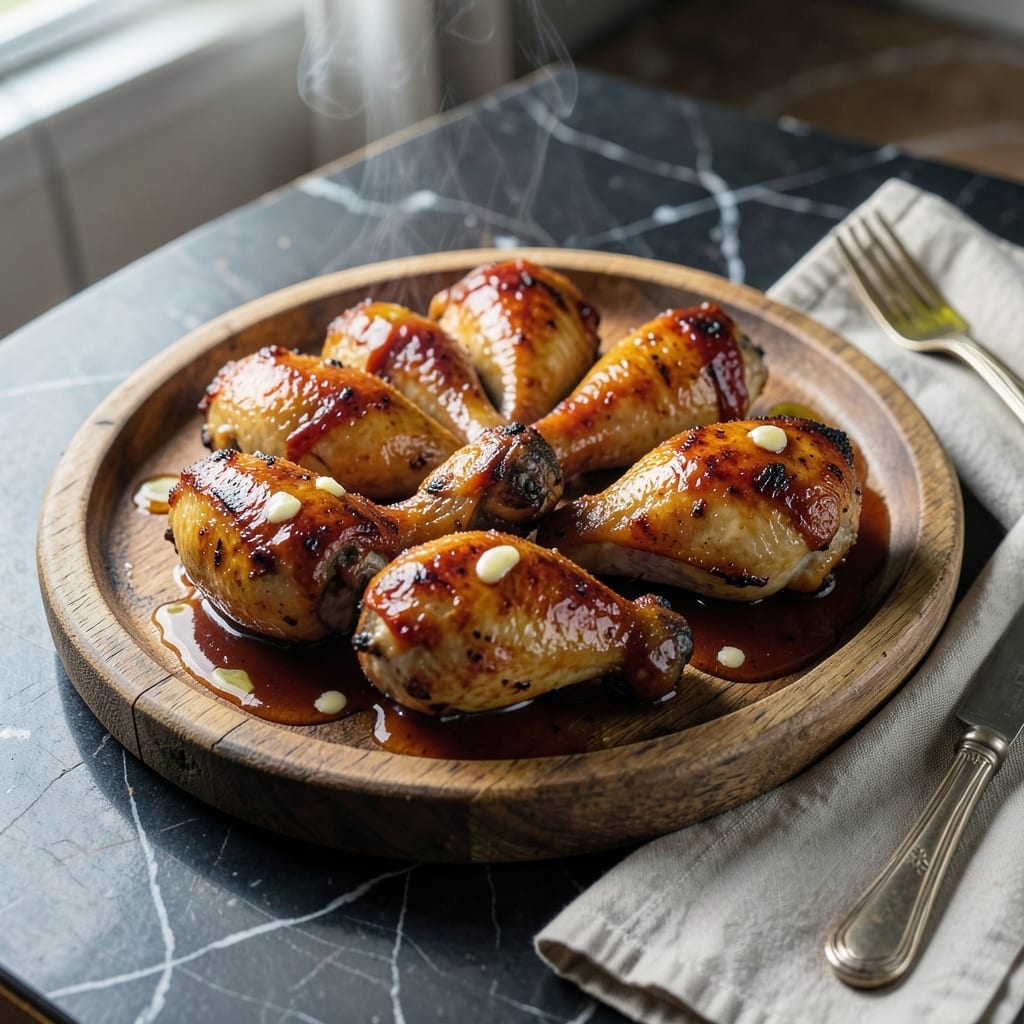
This grilled chicken delivers a tangy, vinegar-based glaze that’s become a regional favorite for good reason.
Developed at Cornell University, the sauce balances sweetness with a sharp vinegar kick that caramelizes beautifully on the grill. The process is straightforward: grill the chicken, then baste repeatedly to build layers of flavor.
The result is juicy, tender meat with a sticky, slightly charred exterior. Each bite carries that unmistakable tang, making it impossible to resist seconds.
Perfect for backyard cookouts or casual dinners, this method ensures consistent, crowd-pleasing results every time.
Ingredients for Cornell Barbecue Chicken
Simple ingredients for a legendary vinegar-kissed barbecue chicken with caramelized char and juicy meat.
| Ingredient | Amount | Notes |
|---|---|---|
| Chicken Pieces 🍗 | 3 lb | Bone-in, skin-on preferred |
| Apple Cider Vinegar 🍏 | 1 cup | For tangy sauce base |
| White Vinegar 🍶 | ½ cup | Adds sharpness to glaze |
| Ketchup 🍅 | ½ cup | For sweetness and thickness |
| Light Brown Sugar 🧈 | ¼ cup | Packed, for caramelization |
| Unsalted Butter 🧈 | 4 tbsp | For richness in sauce |
| Garlic Powder 🧄 | 1 tsp | For depth of flavor |
| Onion Powder 🧅 | 1 tsp | Complements garlic well |
| Salt 🧂 | 1 tsp | Adjust to taste |
| Black Pepper 🌶️ | ½ tsp | Freshly ground preferred |
| Cayenne Pepper 🔥 | ¼ tsp | Optional for heat |
| Olive Oil 🫒 | 2 tbsp | For oiling the grill |
The chicken is key here. Bone-in, skin-on pieces (thighs, drumsticks, or split breasts) hold up best to the basting process and develop that perfect char. Costco or Sam’s Club offer great bulk options for larger gatherings. For the vinegars, Heinz apple cider vinegar and Distilled white vinegar are standard supermarket finds—no need for artisanal varieties here.
Out of apple cider vinegar? Rice vinegar at a one-to-one ratio works in a pinch (slightly milder). Prefer a smokier profile? Swap 1 tbsp of vinegar for liquid smoke. For a spicier kick, increase the cayenne or add hot sauce to taste. The ketchup can be substituted with tomato paste thinned with water, but the sweetness balance may need adjustment.
The sauce keeps well in the fridge for up to 1 week—perfect for making ahead. Grilled chicken is best served immediately but leftovers (if any) reheat nicely on the grill or in a skillet. Store in an airtight container. For meal prep, baste and grill the chicken, then slice just before serving to maintain juiciness.
Why You’ll Love This Recipe
- Minimal Effort: I just mix the vinegars, ketchup, and brown sugar—no fancy prep, just coat and bake.
- Tangy Sweetness: The apple cider vinegar and brown sugar create this ridiculuously good balance I can’t resist.
- Crowd Pleaser: Honestly, it’s my go-to for summer cookouts and lazy Sunday dinners alike.
- Budget Friendly: One batch feeds my family for days, and the ingredients are all pantry staples.
Step-by-Step Instructions for Cornell Barbecue Chicken
This method ensures perfectly glazed chicken with that signature tangy-sweet Cornell flavor.
Step 1: Prepare the Vinegar-Based Glaze
In a medium saucepan, combine the 1 cup apple cider vinegar, 0.5 cup white vinegar, 0.5 cup ketchup, and 0.25 cup light brown sugar. Add the 4 tbsp unsalted butter and melt over medium heat, stirring until the sugar dissolves completely.
Once the sugar is fully incorporated, whisk in the 1 tsp garlic powder, 1 tsp onion powder, 1 tsp salt, 0.5 tsp black pepper, and 0.25 tsp cayenne pepper. Simmer the mixture for 10-12 minutes until it thickens slightly and develops a glossy sheen. The glaze should coat the back of a spoon but remain pourable.
Step 2: Prep and Season the Chicken
Pat the 3 lb chicken pieces dry with paper towels to ensure the skin crisps properly. This step is crucial—moisture on the surface will steam the chicken rather than allow it to develop a beautiful, caramelized exterior.
Lightly brush the chicken pieces with the 2 tbsp olive oil and season with a pinch of salt and black pepper. The oil helps the glaze adhere evenly and promotes even browning during grilling.
Step 3: Grill the Chicken to Perfection
Preheat your grill to medium-high heat. Place the chicken pieces skin-side down on the oiled grates. Grill for 6-8 minutes per side, or until the skin is golden brown and the internal temperature reaches 165°F in the thickest part of each piece.
Resist the urge to move the chicken too soon. Let it sear undisturbed so the skin crisps and develops those coveted grill marks. If flare-ups occur, move the pieces to a cooler part of the grill temporarily.
Step 4: Glaze and Finish
During the last 5 minutes of grilling, begin brushing the chicken generously with the prepared glaze. Turn the pieces frequently, basting with more glaze each time, until the chicken is fully cooked and the glaze has formed a sticky, caramelized coating.
The glaze will bubble and thicken as it caramelizes on the heat. Work quickly but carefully to avoid burning the sugar in the glaze. If the glaze starts to char, reduce the heat slightly and continue basting.
Step 5: Rest and Serve
Transfer the glazed chicken to a serving platter and let it rest for 5-10 minutes. This allows the juices to redistribute, ensuring the meat stays moist and flavorful. Tent loosely with foil if needed to keep it warm.
Serve the chicken immediately with any remaining glaze on the side for dipping. The skin should be crispy yet sticky, with a perfect balance of tangy vinegar and sweet caramelized sugar in every bite.
Pro Tips For Making Cornell Barbecue Chicken
- Start with Dry Chicken: Pat the chicken pieces thoroughly dry before applying the sauce—I learned this the hard way after my first few batches ended up steaming instead of caramelizing.
- Balance the Vinegars: Use a 1:1 ratio of apple cider vinegar to white vinegar for that classic Cornell tang, and don’t swap them out; the apple cider’s depth and the white’s sharpness actually change the outcome.
- Low and Slow Finishes: After the initial sear, drop the heat to medium-low and let the sauce reduce around the chicken for 10-12 minutes—this is what gives it that sticky, glossy coating.
- Rest Before Serving: Give the chicken 5 minutes off the heat under loose foil after cooking, so the juices redistribute and the sauce sets up a bit more on the surface.
Serving Suggestions for cornell barbecue chicken
Classic Summer Sides
I love pairing this with corn on the cob brushed with the leftover glaze—just grill it alongside the chicken for 10-12 minutes. A crisp cucumber and tomato salad with red onion and feta cuts through the richness beautifully.
Comfort Food Pairings
For a heartier meal, serve with creamy mac and cheese or buttery mashed potatoes. The vinegar tang plays perfectly against the richness. I also love baked beans slow-cooked with bacon for that classic BBQ spread.
Fresh and Light Options
A simple green leaf lettuce salad with ranch dressing provides a cool contrast to the smoky-sweet chicken. Grilled zucchini and bell peppers add color and a light vegetal note to balance the plate.
Bread and Extras
Don’t forget warm cornbread or buttermilk biscuits to soak up the extra glaze. I always make extra sauce for drizzling at the table—everyone always asks for more. 💛
Beverage Pairings
Serve with iced tea (sweet or unsweetened) or a crisp lager beer like Budweiser. For a non-alcoholic option, lemonade with fresh mint complements the vinegar notes perfectly.
Serving Style Tip
Arrange the chicken on a large platter with fresh herbs like parsley or cilantro for a pop of color. The sticky glaze looks stunning against the green garnish. 🌟
Nutrition Facts
Frequently Asked Questions
Can I use boneless chicken for this recipe?
Bone-in pieces work best for moisture and flavor, but boneless thighs can be used. Reduce grilling time to 4-5 minutes per side to prevent drying out.
Why does the glaze need to simmer for 10-12 minutes?
Simmering thickens the sauce and blends the flavors. The vinegar mellows while the sugar caramelizes, creating that signature sticky, tangy coating.
Can I make the glaze ahead of time?
The glaze keeps in the fridge for up to 1 week. Reheat gently before using to restore its pourable consistency.
What’s the best way to prevent flare-ups?
Keep a spray bottle of water nearby. If flames erupt, move chicken to a cooler part of the grill and spritz the flames—not the chicken.

- Jollof Rice Sauce Recipe: West African Tomato and Spice Infusion - September 25, 2026
- Japanese Rice Soup Recipe: Umami-Rich Comfort in a Bowl - September 25, 2026
- Homemade Cream Of Rice Recipe: Silk-Smooth Breakfast in Minutes - September 25, 2026